神
| ||||||||
| ||||||||
Translingual
Han character
神 (radical 113, 示+5, 9 strokes, cangjie input 戈火中田中 (IFLWL), four-corner 35206, composition ⿰礻申(GHTJV) or ⿰示申(K))
Derived characters
References
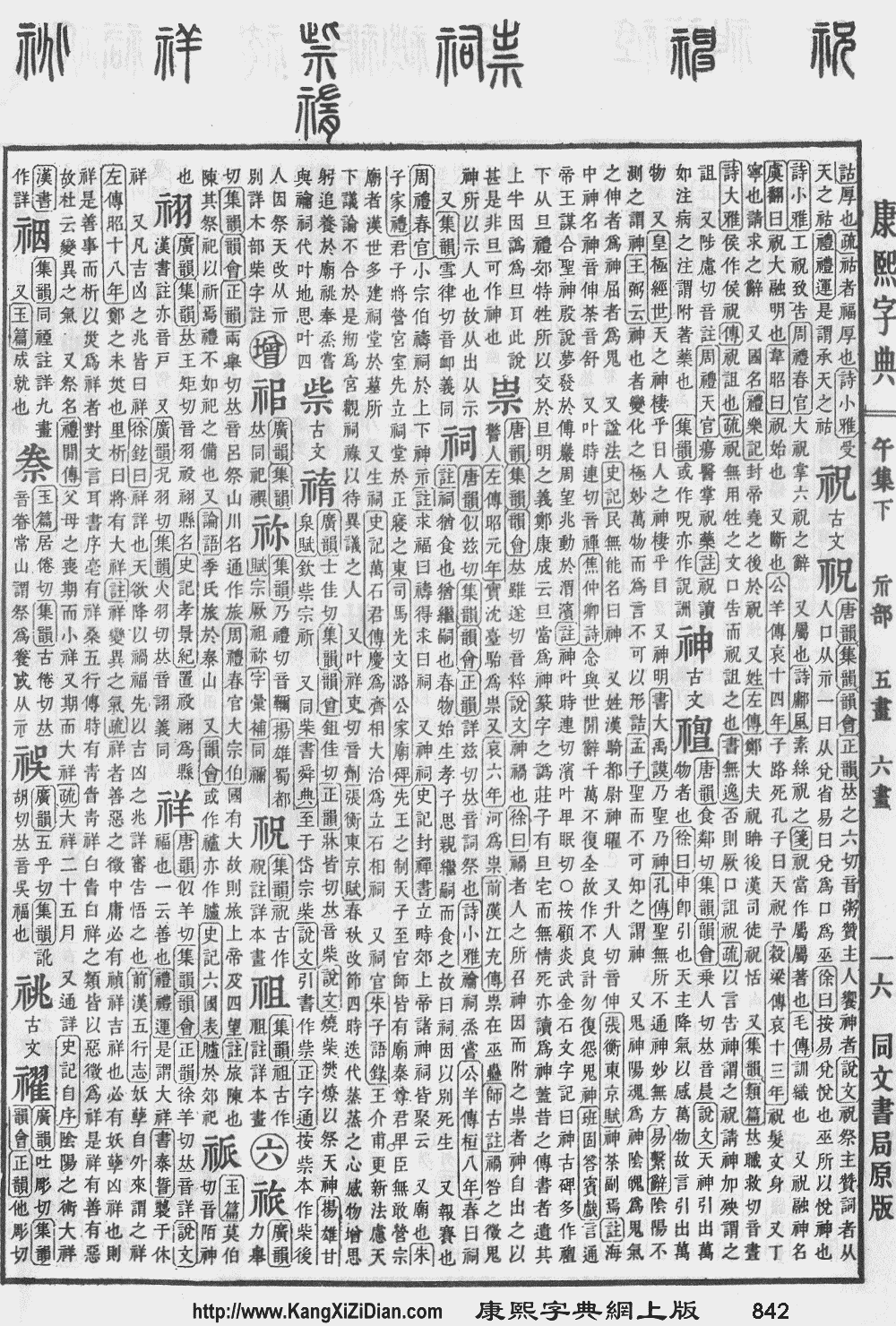
- KangXi: page 842, character 3
- Dai Kanwa Jiten: character 24673
- Dae Jaweon: page 1261, character 2
- Hanyu Da Zidian: volume 4, page 2392, character 1
- Unihan data for U+795E
Chinese
| simp. and trad. |
神 | |
|---|---|---|
Glyph origin
| Historical forms of the character 神 | ||
|---|---|---|
| Western Zhou | Warring States | Shuowen Jiezi (compiled in Han) |
| Bronze inscriptions | Chu Slip and silk script | Small seal script |
 |
 |
 |
| Characters in the same phonetic series (申) (Zhengzhang, 2003) | |
|---|---|
| Old Chinese | |
| 電 | *l'iːns |
| 胂 | *l̥ʰin, *hlin |
| 申 | *hlin |
| 伸 | *hlin |
| 呻 | *hlin |
| 紳 | *hlin |
| 眒 | *hlin, *hlins |
| 柛 | *hlin |
| 訷 | *hlin |
| 抻 | *hlins |
| 神 | *hlin |
| 朄 | *lins |
Phono-semantic compound (形聲, OC *hlin) : semantic 示 (“god; deity”) + phonetic 申 (OC *hlin, “lightning”).
Originally 申 in the oracle bone script and in some bronze inscriptions. The ancients feared the unpredictable lightning and considered it to be divine or of divine origin. 示 was added for specialization.
Pronunciation 1
Definitions
神
- (religion) god; deity; spirit
- spirit; soul; mind
- expression; countenance; appearance
- supernatural; magic; psychic
- A surname. Shen
Usage notes
Different branches of Christianity use different terms for God:
Compounds
|
|
|
Pronunciation 2
Definitions
神
- Only used in 神荼 (shēnshū).
Compounds
Japanese
| 神 | |
| 神 |
Kanji
Readings
- Goon: じん (jin, Jōyō)
- Kan’on: しん (shin, Jōyō)
- Kun: かみ (kami, 神, Jōyō); かむ (kamu, 神); かむい (kamui, 神); かむぶ (kamubu, 神ぶ); かん (kan, 神, Jōyō, uncommon)←かむ (kamu, historical); かんぶ (kanbu, 神ぶ)←かむぶ (kamubu, historical); こう (kō, 神, Jōyō, uncommon)←かう (kau, historical)←かん (kan, ancient); み (mi, 神)
- Nanori: か (ka); かぐ (kagu); かな (kana); かも (kamo); きよ (kiyo); くま (kuma); こ (ko); こは (koha); しの (shino); だま (dama); たる (taru); みわ (miwa)
Compounds
- 別天津神 (kotoama tsukami): distinguished heavenly gods
- 天神 (てんじん, tenjin): heavenly god/spirit/being
- 風神 (ふうじん, fūjin): wind god
- 雷神 (らいじん, raijin): thunder god
- 雷神鳥 (らいじんちょう, raijinchō): a thunderbird
- 土神 (どじん, dojin): earth god
- 水神 (すいじん, suijin): water god
- 火神 (かじん, kajin): fire god
- 竜神 (りゅうじん, ryūjin): dragon god
- 軍神 (ぐんしん, gunshin): war god
- 神仙 (しんせん, shinsen): supernatural or celestial being
- 神明 (しんめい, shinmei)
- 神罰 (しんばつ, shinbatsu): divine punishment; judgement of god
- 神意 (しんい, shin'i): divine will; will of god
- 神威 (しんい, shin'i; かむい, kamui): divine dignity/might; dignity/might of god
- 神像 (しんぞう, shinzō): statue, idol, image
- 神韻 (しんいん, shin'in)
- 神格 (しんかく, shinkaku)
- 神学 (しんがく, shingaku): theology
- 神楽 (かぐら, kagura): god entertainment — theatrical temple dances
- 神官 (しんかん, shinkan): Shinto priest
- 神器 (じんき, jinki; じんぎ, jingi): sacred treasures
- 神曲 (しんきょく, shinkyoku): divina commedia
- 神経 (しんけい, shinkei): (anatomy): nerve
- 神権 (しんけん, shinken): divine right; divine authority
- 付喪神 (つくもがみ, tsukumogami): an artifact spirit, the spirit of a tool
- 守護神 (しゅごしん, shugoshin): tutelary or guardian deity
- 神明 (しんめい, shinmei): a deity; divine light
- 神事: a Shinto ritual (multiple possible readings given below)
- 式神: shikigami
- 犬神 (いぬがみ, inugami): a dog spirit
- 神札 (しんさつ, shinsatsu): ofuda placed at a Shinto shrine
- 神社 (じんじゃ, jinja): shrine (especially a Shinto shrine)
- 神髄 (しんずい, shinzui)
- 神魂 (しんこん, shinkon): state of mind; mind
- 神気 (かみけ, kamike; しんき, shinki): divine energy/aura
- 神話 (しんわ, shinwa): myth, legend, folklore, fairy tale
- 神聖 (しんせい, shinsei): holiness
- 神体 (しんたい, shintai)
- 神託 (しんたく, shintaku): oracle
- 神通 (じんずう jinzū): divine or special talent
- 神通力 (じんずうりき, jinzūriki): supernatural force/power/energy
- 神殿 (かみどの, kamidono; かむとの, kamutono; かんどの, kandono; しんでん, shinden): Shintō shrine
- 神道 (しんとう, shintō): Shinto
- 神秘 (しんぴ, shinpi): divine mystery, mystical
- 神父 (しんぷ, shinpu): father; priest (Catholic or Orthodox)
- 神霊 (しんれい, shinrei): divine spirit
- 神様 (かみさま, kamisama): honorable god
- 神風 (かみかぜ, kamikaze): divine wind
- 神雷 (しんらい, shinrai): divine thunder
- 神水 (しんすい, shinsui; しんずい, shinzui): divine water
- 神火 (しんか, shinka): divine flame
- 神主 (かむぬし, kamunushi; かんぬし, kannushi; こうぬし, kōnushi; しんしゅ, shinshu): Shintō priest
- 神子 (みこ, miko): a Shintō shrine maiden
- 神業 (かみわざ, kamiwaza)
- 女神 (めがみ, megami): female god; a goddess
- 男神 (おとこがみ, otokogami): a male god
- 祖神 (おやがみ, oyagami; そしん, soshin): spirit of an ancestor
- 半神 (はんしん, hanshin): demigod, one who is of mixed divine and human/mortal heritage
- 神降 (かみおろし, kamioroshi): an avatar
- 神酒 (しんしゅ, shinshu): ambrosia
- 神木 (しんぼく, shinboku): a sacred tree
- 神無月 (かんなづき, kan'nazuki: (archaic) the tenth month of the lunar calendar
- 神霊 (しんれい, shinrei): gods; deities; divinities; spirits
Etymology 1
| Kanji in this term |
|---|
| 神 |
| かみ Grade: 3 |
| kun’yomi |
⟨kami2⟩ → */kamɨ/ → /kami/
From Old Japanese. Not related to 上 (/kami1/ invalid IPA characters (1), “up”) or 髪 (/kami1/ invalid IPA characters (1), “hair”). Possibly cognate with Korean 검 (kŏm, "God", "Spirit") Often appears in compounds as /kamu/ (modern /kaɴ/), indicating that /kami/ is a bound or fused form deriving from */kamu.i/. Note that this final i may be the Old Japanese emphatic nominative particle い (i), likely cognate with Korean nominative particle 이 (i). Such fusion has occurred in other Japanese terms, such as 目 (me, “eye”, from ma + i) or 酒 (sake, “saké, liquor”, from saka + i).
Compare Ainu カムイ (kamuy, “god”).
Pronunciation
Noun
- (Shinto, Japanese religion) a spirit or an essence present in all things, the main subject of worship of Shinto
- 2004 October 1, “欠け月の神 [Kami of the Waning Moon]”, in 神河物語 [Tales of Kamigawa] (in Japanese), Wizards of the Coast:
- すぐさま霊都の護衛は再編された。そこに嘆きの神が再び現れ、彼らは恐れをなした鳥の群れの如くに散り散りになった。
――神河大戦記- Sugusama Reito no goei wa saihensareta. Soko ni nageki no kami ga futatabi araware, karera wa osore o nashita tori no mure no gotoku ni chirijiri ni natta.
――Kamigawa Taisenki - For a moment, Reito’s defenders regrouped. Then wailing kami reappeared to send them scattering like flocks of frightened birds.
――Chronicles of the Great Battles of Kamigawa
- Sugusama Reito no goei wa saihensareta. Soko ni nageki no kami ga futatabi araware, karera wa osore o nashita tori no mure no gotoku ni chirijiri ni natta.
- すぐさま霊都の護衛は再編された。そこに嘆きの神が再び現れ、彼らは恐れをなした鳥の群れの如くに散り散りになった。
- 2005 June 3, “三日月の神 [Kami of the Crescent Moon]”, in 神河救済 [Salvation of Kamigawa] (in Japanese), Wizards of the Coast:
- 「主無き小さな神よ。やつは俺によく似ている……。ちっぽけな存在で、見向かれもしない。」
——梅澤俊郎- “Shunaki chīsa na kami yo. Yatsu wa ore ni yoku niteiru……. Chippoke na sonzai de, mimukare mo shinai.”
——Umezawa Toshirō - “That masterless little kami. He’s a lot like me. Disdainful of all things trivial.”
——Umezawa Toshirō
- “Shunaki chīsa na kami yo. Yatsu wa ore ni yoku niteiru……. Chippoke na sonzai de, mimukare mo shinai.”
- 「主無き小さな神よ。やつは俺によく似ている……。ちっぽけな存在で、見向かれもしない。」
-
- (by extension) a deity; a god
- 1603–1604, Nippo Jisho (page 85)
- Cami. カミ (神) 日本のゼンチヨ (gentios 異教徒)が尊崇する神(Cami).
- 2004 April 7, Ohba, Tsugumi; Obata, Takeshi, “page.1 退屈 [page.1 Boredom]”, in DEATH NOTE [DEATH NOTE], volume 1 (fiction, in Japanese), Tokyo: Shueisha, →ISBN, pages 48–49:
- そして 僕は新世界の神となる
- Soshite boku wa shinsekai no kami to naru
- And then I will become the god of this new world
- そして 僕は新世界の神となる
- 2016 July 22, “エムラクールの手 [Hand of Emrakul]”, in 異界月 [Eldritch Moon] (in Japanese), Wizards of the Coast:
- 「私は美しき神を信じていました。しかし、これが神の真の顔です。」
- “Watashi wa utsukushiki kami o shinjite imashita. Shikashi, kore ga kami no shin no kao desu.”
- “I believed in a beautiful god. But this is the true face of the divine.”
- 「私は美しき神を信じていました。しかし、これが神の真の顔です。」
- 1603–1604, Nippo Jisho (page 85)
- thunder
- (slang, attributive) amazing; great; fantastic; awesome
Proper noun
- (Christianity) God
- 1999 September 16, Katou, Motohiro, “ヤコブの階段 [Jacob’s Stairway]”, in Q.E.D. 証明終了 [Q.E.D. Quod Erat Demonstrandum], volume 4 (fiction, in Japanese), Tokyo: Kodansha, →ISBN, page 184:
- ヤコブは神の言葉を受け「約束の地」を探して旅立った 自分達を 繁栄させる土地を‥‥
- Yakobu wa Kami no kotoba o uke “Yakusoku no Chi” o sagashite tabidatta jibuntachi o han'ei saseru tochi o‥‥
- Jacob took God’s word and set out in search of the “Promised Land”, of themselves, of fertile soil‥‥
- ヤコブは神の言葉を受け「約束の地」を探して旅立った 自分達を 繁栄させる土地を‥‥
- 2003 March 19 [Dec 29 2001], Hotta, Yumi; Obata, Takeshi, “第129局 もどって来い! [Game 129: Come Back!]”, in ヒカルの碁 [Hikaru’s Go], volume 15 (fiction, in Japanese), 6th edition, Tokyo: Shueisha, →ISBN, pages 78–79:
- オレなんかいらねェ!もう打ちたいって言わねェよ!だから 神さま!お願いだ!はじめにもどして!アイツを会った一番はじめに時間をもどして‼
- Ore nan ka ira nē! Mō uchitaitte iwa nē yo! Dakara Kami-sama! Onegai da! Hajime ni modoshite! Aitsu o atta ichiban hajime ni jikan o modoshite‼
- I don’t need anything! I won’t ask to play any more! So, God! I’m begging you! Return things back to the beginning! Turn time back to when I first met him, please‼
- オレなんかいらねェ!もう打ちたいって言わねェよ!だから 神さま!お願いだ!はじめにもどして!アイツを会った一番はじめに時間をもどして‼
-
Derived terms
See also
- 精霊 (seirei)
Etymology 2
| Kanji in this term |
|---|
| 神 |
| み Grade: 3 |
| kun’yomi |
⟨mi1⟩ → /mi/
From Old Japanese. Cognate with 御 (mi, honorific prefix, originally used to refer to gods and other high-status things).
Pronunciation
Alternative forms
Noun
Derived terms
- 海神 (wata tsu mi): god or spirit of the sea
- 山祇 (yama tsu mi): god or spirit of the mountain (although spelled with a different kanji, the mi here is the same as 神 mi)
References
Korean
Hanja
神 • (sin) (hangeul 신)
Noun
神 • (sin) (hangeul 신)
Vietnamese
Han character
神 (thần, thườn)