god
English

Alternative forms
Etymology
From Middle English god, from Old English god (“deity”), originally neuter, then changed to masculine to reflect the change in religion to Christianity, from Proto-Germanic *gudą, from Proto-Indo-European *ǵʰutós (“invoked (one)”), from Proto-Indo-European *ǵʰewH- (“to call, to invoke”) or *ǵʰew- (“to pour”). Not related to the word good.
Pronunciation
- (General New Zealand, General Australian, UK) IPA(key): /ɡɒd/
- (Scotland) IPA(key): /ɡɔd/
- (US, Canada, Ireland) IPA(key): /ɡɑd/
Audio (US) (file) - enPR: gŏd
- Rhymes: -ɒd
Noun
god (plural gods)
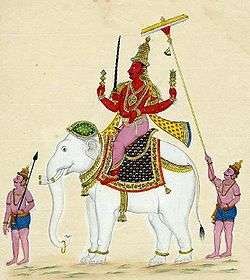
- A deity.
- A supernatural, typically immortal, being with superior powers.
- A male deity.
- 2002, Chuck Palahniuk, Lullaby:
- When ancient Greeks had a thought, it occurred to them as a god or goddess giving an order. Apollo was telling them to be brave. Athena was telling them to fall in love.
- 2002, Chuck Palahniuk, Lullaby:
- A supreme being; God.
- The most frequently used name for the Islamic god is Allah.
- Alternative letter-case form of God.
- An idol.
- A representation of a deity, especially a statue or statuette.
- Something or someone particularly revered, worshipped, idealized, admired and/or followed.
- Bible, Phil. iii. 19
- whose god is their belly
- Bible, Phil. iii. 19
- (figuratively) A person in a high position of authority, importance or influence.
- (figuratively) A powerful ruler or tyrant.
- (colloquial) An exceedingly handsome man.
- Lounging on the beach were several Greek gods.
- Wilfred Owen, Disabled (poem)
- Someone had said he'd look a god in kilts.
- (Internet) The person who owns and runs a multi-user dungeon.
- 1996, Andy Eddy, Internet after hours
- The gods usually have several wizards, or "immortals," to assist them in building the MUD.
- 2003, David Lojek, Emote to the Max (page 11)
- The wizzes are only the junior grade of the MUD illuminati. The people who attain the senior grade of MUD freemasonry by starting their own MUD, with all due hubris, are known as gods.
- 1996, Andy Eddy, Internet after hours
Usage notes
The word god is often applied both to males and to females. The word was originally neuter in Proto-Germanic; monotheistic – notably Judeo-Christian – usage completely shifted the gender to masculine, necessitating the development of a feminine form, goddess.
Synonyms
- (supernatural being with superior powers): deity, See also Thesaurus:god
Derived terms
Translations
Proper noun
god
- (very rare) Alternative form of God
- 1530, William Tyndall, An aunſwere vnto Syr Thomas Mores Dialogue in The whole workes of W. Tyndall, Iohn Frith, and Doct. Barnes, three worthy Martyrs, and principall teachers of this Churche of England, collected and compiled in one Tome togither, beyng before ſcattered, & now in Print here exhibited to the Church (1573), page 271/2:
- And ſuch is to beare yͤ names of god with croſſes betwene ech name about them.
- 1900, Gilbert Keith Chesterton, "The Happy Man" in The Wild Knight and Other Poems:
- Golgotha's ghastly trinity—
- Three persons and one god.
- 1530, William Tyndall, An aunſwere vnto Syr Thomas Mores Dialogue in The whole workes of W. Tyndall, Iohn Frith, and Doct. Barnes, three worthy Martyrs, and principall teachers of this Churche of England, collected and compiled in one Tome togither, beyng before ſcattered, & now in Print here exhibited to the Church (1573), page 271/2:
Verb
god (third-person singular simple present gods, present participle godding, simple past and past participle godded)
- To idolize.
- 1608, William Shakespeare, The Tragedy of Coriolanus, Act V Scene III:
- CORIOLANUS: This last old man, / Whom with a crack'd heart I have sent to Rome, / Loved me above the measure of a father; / Nay, godded me, indeed.
- a. 1866, Edward Bulwer Lytton, "Death and Sisyphus".
- To men the first necessity is gods; / And if the gods were not, / " Man would invent them, tho' they godded stones.
- 2001, Conrad C. Fink, Sportswriting: The Lively Game, page 78
- "Godded him up" ... It's the fear of discerning journalists: Does coverage of athletic stars, on field and off, approach beatification of the living?
-
- To deify.
- 1595, Edmund Spenser, Colin Clouts Come Home Againe.
- Then got he bow and fhafts of gold and lead, / In which fo fell and puiflant he grew, / That Jove himfelfe his powre began to dread, / And, taking up to heaven, him godded new.
- 1951, Eric Voegelin, Dante Germino ed., The New Science of Politics: An Introduction (1987), page 125
- The superman marks the end of a road on which we find such figures as the "godded man" of English Reformation mystics
- 1956, C. S. Lewis, Fritz Eichenberg, Till We Have Faces: A Myth Retold, page 241
- "She is so lately godded that she is still a rather poor goddess, Stranger.
- 1595, Edmund Spenser, Colin Clouts Come Home Againe.
Translations
See also
References
- Webster's Seventh New Collegiate Dictionary, Springfield, Massachusetts, G.&C. Merriam Co., 1967
Anagrams
Danish
Etymology
From Old Danish gōþær, gothær, from Old Norse góðr (“good”), from Proto-Germanic *gōdaz, from Proto-Indo-European *gʰedʰ- (“to join, to unite”).
Pronunciation
- IPA(key): /ɡoð/, [ɡ̊oðˀ], [ɡ̊oːˀð], [ɡ̊oːˀ]
- Rhymes: -oð
Adjective
god (neuter godt, plural and definite singular attributive gode, comparative bedre, superlative (predicative) bedst, superlative (attributive) bedste)
References
- “god” in Den Danske Ordbog
Dutch
Etymology
From Middle Dutch god, from Old Dutch got, from Proto-Germanic *gudą, from the Proto-Indo-European *ǵʰutós (“invoked (one)”). Compare English and West Frisian god, German Gott, Danish gud.
Pronunciation
- IPA(key): /ɣɔt/
- Rhymes: -ɔt
- (Belgium) IPA(key): [ʝɔt]
- (Netherlands) IPA(key): [xɔt]
Noun
god m (plural goden, diminutive godje n, feminine godin)
Derived terms
- afgod
- berggod
- God
- godenbeeld
- godenbrood
- godendrank
- godenspijs
- godin
- godsakker
- godschalk
- godsdienst
- godshuis
- godslastering
- godsloochening
- godsnaam
- krijgsgod
- minnegod
- ongodisme
German Low German
Alternative forms
Etymology
From Middle Low German gôt, from Old Saxon gōd, from Proto-Germanic *gōdaz.
Pronunciation
- IPA(key): /ɡoʊt/, /ɣɔʊt/, /ɣoʊt/
Adjective
god
Usage notes
- The comparative is bäter and the superlative is best.
Gothic
Romanization
gōd
- Romanization of 𐌲𐍉𐌳
Lower Sorbian
Noun
god
- superseded spelling of gód.
Middle Dutch
Noun
god m
- Alternative spelling of got
Middle English
Etymology
From Old English god.
Pronunciation
- IPA(key): /ɡod/
Noun
god (plural gods, genitive goddes)
Descendants
- English: god
Middle Low German
Adjective
god
- Alternative spelling of gôt.
Noun
god
Navajo
Etymology
From Proto-Athabaskan *-ɢᴜ̓t’.
Cognates:
Pronunciation
- IPA(key): [kòt], [kɣʷòt]
Noun
-god (inalienable)
Derived terms
Norwegian Bokmål
Etymology
From Old Norse góðr, from Proto-Germanic *gōdaz, from Proto-Indo-European *gʰedʰ- (“to join, to unite”).
Pronunciation
- IPA(key): /ɡuː/, [ɡuʷː]
Adjective
god (neuter singular godt, definite singular and plural gode, comparative bedre, indefinite superlative best, definite superlative beste)
Derived terms
References
- “god” in The Bokmål Dictionary.
Norwegian Nynorsk
Etymology
From Old Norse góðr, from Proto-Germanic *gōdaz, from Proto-Indo-European *gʰedʰ- (“to join, to unite”). Akin to English good.
Pronunciation
- IPA(key): /ɡuː/
Adjective
god (masculine and feminine god, neuter godt, definite singular and plural gode, comparative betre, indefinite superlative best, definite superlative beste)
Derived terms
References
- “god” in The Nynorsk Dictionary.
Old English
Etymology 1
From Proto-Germanic *gudą, from Proto-Indo-European *ǵʰutós (“invoked; poured, libated”), from an original root *ǵʰewH- (“call, invoke”) or *ǵʰew- (“pour”). Germanic cognates include Old Frisian god, Old Saxon god (Low German gad), Dutch god, Old High German got (German Gott), Old Norse goð, guð (Danish and Swedish gud), Gothic 𐌲𐌿𐌸 (guþ). The Indo-European root is also the source of Ancient Greek καυχάομαι (kaukháomai, “I extol, boast”), Old Irish guth (“voice”), Old Church Slavonic зъвати (zŭvati) (Russian звать (zvatʹ, “call”)).
Pronunciation
- IPA(key): /ɡod/
Noun
god n (nominative plural godu)
Declension
Noun
god m
- God, the Christian god
Declension
Derived terms
Descendants
Etymology 2
From Proto-Germanic *gōdaz, from Proto-Indo-European *gʰedʰ-, *gʰadʰ- (“to gather, align, match”). Cognate with Old Frisian gōd, Old Saxon gōd, Dutch goed, Old High German guot (German gut), Old Norse góðr (Swedish god), Gothic 𐌲𐍉𐌸𐍃 (gōþs).
Pronunciation
- IPA(key): /ɡoːd/
Adjective
gōd (comparative betera, superlative betst)
Declension
| Singular | Masculine | Feminine | Neuter |
|---|---|---|---|
| Nominative | gōd | gōd | gōd |
| Accusative | gōdne | gōde | gōd |
| Genitive | gōdes | gōdre | gōdes |
| Dative | gōdum | gōdre | gōdum |
| Instrumental | gōde | gōdre | gōde |
| Plural | Masculine | Feminine | Neuter |
| Nominative | gōde | gōda, -e | gōd |
| Accusative | gōde | gōda, -e | gōd |
| Genitive | gōdra | gōdra | gōdra |
| Dative | gōdum | gōdum | gōdum |
| Instrumental | gōdum | gōdum | gōdum |
| Singular | Masculine | Feminine | Neuter |
|---|---|---|---|
| Nominative | gōda | gōde | gōde |
| Accusative | gōdan | gōdan | gōde |
| Genitive | gōdan | gōdan | gōdan |
| Dative | gōdan | gōdan | gōdan |
| Instrumental | gōdan | gōdan | gōdan |
| Plural | Masculine | Feminine | Neuter |
| Nominative | gōdan | gōdan | gōdan |
| Accusative | gōdan | gōdan | gōdan |
| Genitive | gōdra, gōdena | gōdra, gōdena | gōdra, gōdena |
| Dative | gōdum | gōdum | gōdum |
| Instrumental | gōdum | gōdum | gōdum |
Derived terms
Descendants
Noun
gōd n
Declension
Old Frisian
Etymology
From Proto-Germanic *gōdaz.
Adjective
gōd
Descendants
Old Saxon
Etymology 1
From Proto-Germanic *gōdaz, from Proto-Indo-European *gʰedʰ- (“to join, to unite”). Compare Old English and West Frisian gōd, Old High German and Old Dutch guot, Old Norse góðr.
Pronunciation
- IPA(key): /ɣoːd/
Adjective
gōd (comparative betiro, superlative betst)
- good
- Heliand, verse 363
- Davides thes gōdon
- David the Good
- Heliand, verse 363
Declension
| Strong declension | ||||||
|---|---|---|---|---|---|---|
| gender | masculine | neuter | feminine | |||
| case | singular | plural | singular | plural | singular | plural |
| nominative | gōd | gōde | gōd | gōde | gōd | gōdu |
| accusative | gōdana | gōde | gōd | gōde | gōda | gōdu |
| genitive | gōdes | gōdarō | gōdes | gōdarō | gōdaro | gōdarō |
| dative | gōdumu | gōdum | gōdumu | gōdum | gōdaro | gōdum |
| Weak declension | ||||||
| gender | masculine | neuter | feminine | |||
| case | singular | plural | singular | plural | singular | plural |
| nominative | gōdo | gōdu | gōda | gōdu | gōda | gōdu |
| accusative | gōdun | gōdun | gōda | gōdun | gōdun | gōdun |
| genitive | gōdun | gōdonō | gōdun | gōdonō | gōdun | gōdonō |
| dative | gōdun | gōdum | gōdun | gōdum | gōdun | gōdum |
| gender | masculine | neuter | feminine | |||
|---|---|---|---|---|---|---|
| case | singular | plural | singular | plural | singular | plural |
| nominative | betiro | betiru | betira | betiru | betira | betiru |
| accusative | betirun | betirun | betira | betirun | betirun | betirun |
| genitive | betirun | betironō | betirun | betironō | betirun | betironō |
| dative | betirun | betirum | betirun | betirum | betirun | betirum |
| Strong declension | ||||||
|---|---|---|---|---|---|---|
| gender | masculine | neuter | feminine | |||
| case | singular | plural | singular | plural | singular | plural |
| nominative | betst | betste | betst | betste | betst | betstu |
| accusative | betstana | betste | betst | betste | betsta | betstu |
| genitive | betstes | betstarō | betstes | betstarō | betstaro | betstarō |
| dative | betstumu | betstum | betstumu | betstum | betstaro | betstum |
| Weak declension | ||||||
| gender | masculine | neuter | feminine | |||
| case | singular | plural | singular | plural | singular | plural |
| nominative | betsto | betstu | betsta | betstu | betsta | betstu |
| accusative | betstun | betstun | betsta | betstun | betstun | betstun |
| genitive | betstun | betstonō | betstun | betstonō | betstun | betstonō |
| dative | betstun | betstum | betstun | betstum | betstun | betstum |
Descendants
Etymology 2
From Proto-Germanic *gōdaz.
Pronunciation
- IPA(key): /ɣoːd/
Noun
gōd n
Declension
Descendants
Etymology 3
From Proto-Germanic *gudą, from the Proto-Indo-European *ǵʰutós (“invoked (one)”). Compare Old English god, Old Frisian god, Old High German got, Old Norse guð.
Pronunciation
- IPA(key): /ɣɔd/
Noun
god n
- god
- Heliand, verse 326
- godes ēgan barn
- God's own child
- Heliand, verse 326
Declension
Descendants
- Middle Low German: got
Etymology 4
From Proto-Germanic *gudą.
Pronunciation
- IPA(key): /ɣɔd/
Noun
god m
- God, the Christian god
- Heliand, verse 11
- thia habdon maht godes helpa fan himila
- They had the power by the help of God in the heavens
- Heliand, verse 11
Declension
Descendants
- Middle Low German: got
Romansch
Alternative forms
Etymology
Of probable Germanic origin (compare German Wald, Dutch woud, English wold).
Noun
god m (plural gods)
Serbo-Croatian
Etymology
From Proto-Slavic *godъ. Cognate with Slovene god, Old Church Slavonic годъ (godŭ), Russian год (god).
Pronunciation
- IPA(key): /ɡôːd/
Noun
gȏd m (Cyrillic spelling го̑д)
- name day
- anniversary, holiday
- ring (on a tree)
Declension
Particle
god (Cyrillic spelling год)
- generalization particle
- (t)ko god ― whoever
- što god ― whatever
- gdje god ― wherever
- koji god ― whichever
- Uzmi koji god hoćeš! ― Take whichever you want!
- kad god ― whenever
- čiji god ― whoever's
- kako god ― in whichever way
- kakav god ― of whatever kind
- koliki god ― of whichever size
- koliko god ― no matter how much/many
Slovene
Etymology
From Proto-Slavic *godъ. Cognate with Serbo-Croatian god, Old Church Slavonic годъ (godŭ).
Pronunciation
- IPA(key): /ˈɡóːt/
- Tonal orthography: gọ̑d
Noun
gód m inan (genitive godú or góda, nominative plural godôvi)
Declension
Swedish
Etymology
From Old Swedish gōþer, from Old Norse góðr, from Proto-Germanic *gōdaz, from Proto-Indo-European *gʰedʰ- (“to join, to unite”).
Pronunciation
- IPA(key): /ɡuːd/
audio (file)
Adjective
god (comparative godare, superlative godast)
Declension
| Inflection of god | |||
|---|---|---|---|
| Indefinite | Positive | Comparative | Superlative2 |
| Common singular | god | godare | godast |
| Neuter singular | gott | godare | godast |
| Plural | goda | godare | godast |
| Definite | Positive | Comparative | Superlative |
| Masculine singular1 | gode | godare | godaste |
| All | goda | godare | godaste |
| 1) Only used, optionally, to refer to things whose natural gender is masculine. 2) The indefinite superlative forms are only used in the predicative. | |||
Antonyms
Adjective
god (comparative bättre, superlative bäst)
Declension
Antonyms
- (not bad): dålig
Derived terms
West Frisian
Etymology
From Old Frisian god, from Proto-Germanic *gudą, from Proto-Indo-European *ǵʰutós. Compare English and Dutch god, German Gott, Danish gud.
Noun
god c (plural goaden)