借
See also: 藉
| ||||||||
Translingual
Han character
借 (radical 9 人+8, 10 strokes, cangjie input 人廿日 (OTA), four-corner 24261, composition ⿰亻昔)
Derived characters
- 𠺦, 𮇴, 𡩤
References
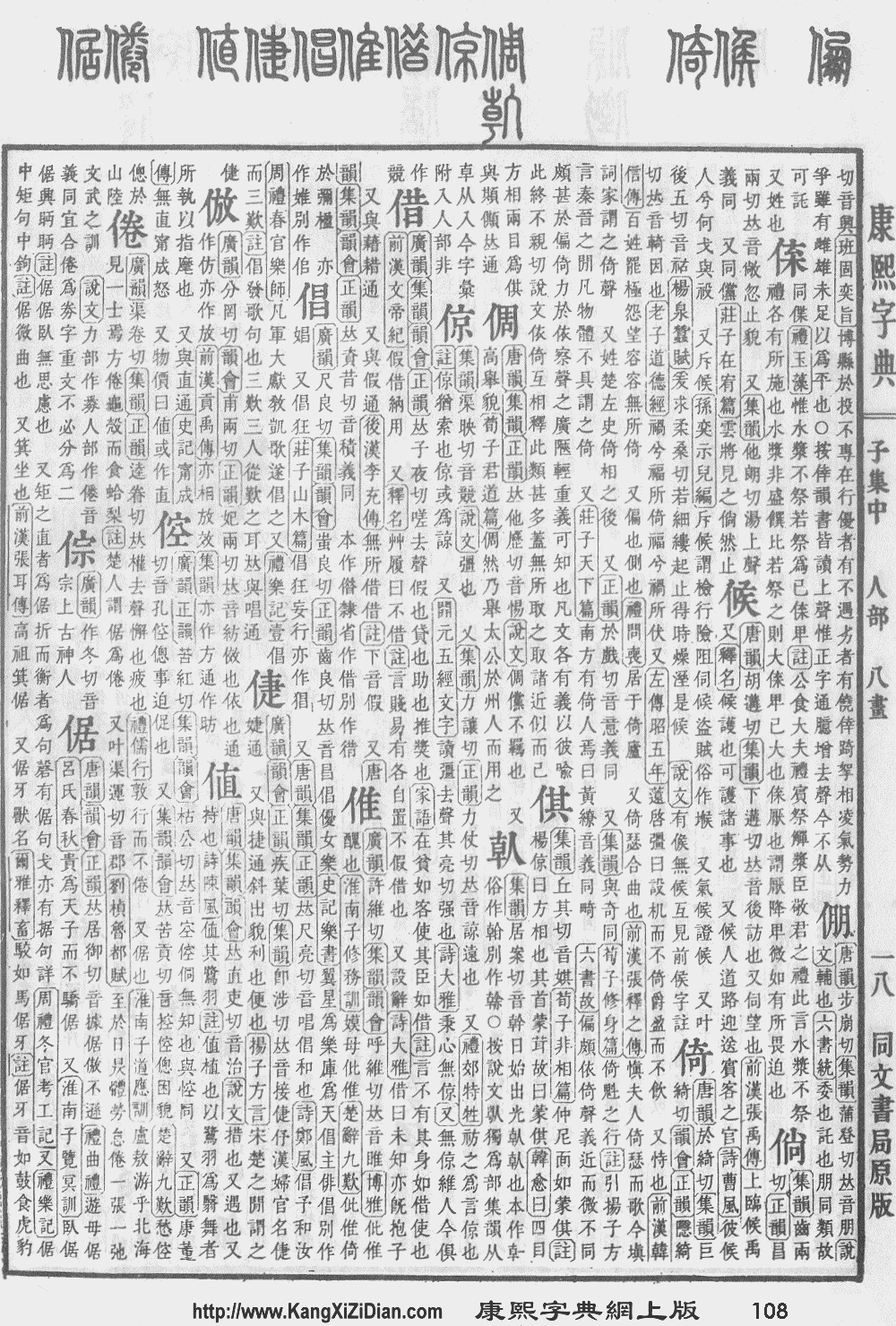
- KangXi: page 108, character 10
- Dai Kanwa Jiten: character 781
- Dae Jaweon: page 230, character 6
- Hanyu Da Zidian: volume 1, page 171, character 5
- Unihan data for U+501F
Chinese
| simp. and trad. |
借 | |
|---|---|---|
Glyph origin
| Historical forms of the character 借 | ||
|---|---|---|
| Shuowen Jiezi (compiled in Han) | ||
| Small seal script | ||
 | ||
| ||
|
References: Mostly from Richard Sears' Chinese Etymology site (authorisation),
|


| Characters in the same phonetic series (昔) (Zhengzhang, 2003) | |
|---|---|
| Old Chinese | |
| 借 | *ʔsjaːɡs, *ʔsjaːɡ |
| 唶 | *ʔsjaːɡs |
| 藉 | *zjaːɡs, *zjaːɡ |
| 躤 | *zjaːɡs |
| 蜡 | *zraːɡs, *sʰaːɡs |
| 齰 | *zraːɡs, *zraːɡ |
| 醋 | *sʰaːɡs |
| 錯 | *sʰaːɡs, *sʰaːɡ |
| 措 | *sʰaːɡs |
| 厝 | *sʰaːɡs, *sʰaːɡ |
| 逪 | *sʰaːɡ |
| 剒 | *sʰaːɡ |
| 鵲 | *sʰaɡ |
| 碏 | *sʰaɡ |
| 踖 | *sʰaɡ, *ʔsjaːɡ, *zjaːɡ |
| 趞 | *sʰaɡ |
| 皵 | *sʰaɡ, *sʰjaːɡ |
| 舄 | *sʰjaːɡ, *sʰaɡ, *sjaːɡ, *sjaːɡ |
| 斮 | *ʔsraɡ, *ʔsraːɡ |
| 簎 | *zraːwɢ, *sʰraːɡ, *zjaːɡ |
| 諎 | *ʔsraːɡ |
| 矠 | *sʰreːɡ, *zreːɡ |
| 庴 | *ʔsjaːɡ, *zjaːɡ |
| 籍 | *zjaːɡ |
| 耤 | *zjaːɡ |
| 猎 | *zjaːɡ |
| 昔 | *sjaːɡ |
| 惜 | *sjaːɡ |
| 腊 | *sjaːɡ |
| 焟 | *sjaːɡ |
| 棤 | *sjaːɡ |
Phono-semantic compound (形聲, OC *ʔsjaːɡs, *ʔsjaːɡ) : semantic 人 (“person”) + phonetic 昔 (OC *sjaːɡ).
Etymology 1
Pronunciation
Definitions
借
Synonyms
Compounds
Derived terms from 借
Etymology 2
| For pronunciation and definitions of 借 – see 藉 (“pad, mat; to pave; etc.”). (This character, 借, is the simplified form of 藉.) |
Notes:
|
Japanese
Kanji
借
- to borrow
Readings
Compounds
Etymology
| Kanji in this term |
|---|
| 借 |
| か(り) Grade: 4 |
| kun’yomi |
Originally the 連用形 (ren'yōkei, “continuative or stem form”) of classical verb 借る (karu, “to borrow”), now also the 連用形 (ren'yōkei) of modern verb 借りる (kariru, “to borrow”).[1][2]
Pronunciation
Alternative forms
- 借り (more common in running text)
Noun
- borrowing, a debt, a loan (for the borrower, not the lender)
- (obsolete) in the Edo period, a system for arranging house calls by prostitutes
- (accounting, abbreviation) borrower, debtor: short for 借り方 (karikata)
Antonyms
(borrowing, debt): 貸し (kashi): lending, a credit, a loan (for the lender, not the borrower)
References
Korean
Hanja
借 • (cha, jeok) (hangeul 차, 적, McCune–Reischauer ch'a, chŏk)
- This term needs a translation to English. Please help out and add a translation, then remove the text
{{rfdef}}.
Vietnamese
Han character
借 (tá)
- This term needs a translation to English. Please help out and add a translation, then remove the text
{{rfdef}}.
This article is issued from
Wiktionary.
The text is licensed under Creative Commons - Attribution - Sharealike.
Additional terms may apply for the media files.