屁
| ||||||||
Translingual
Han character
屁 (radical 44, 尸+4, 7 strokes, cangjie input 尸心心 (SPP), four-corner 77211, composition ⿸尸比)
References
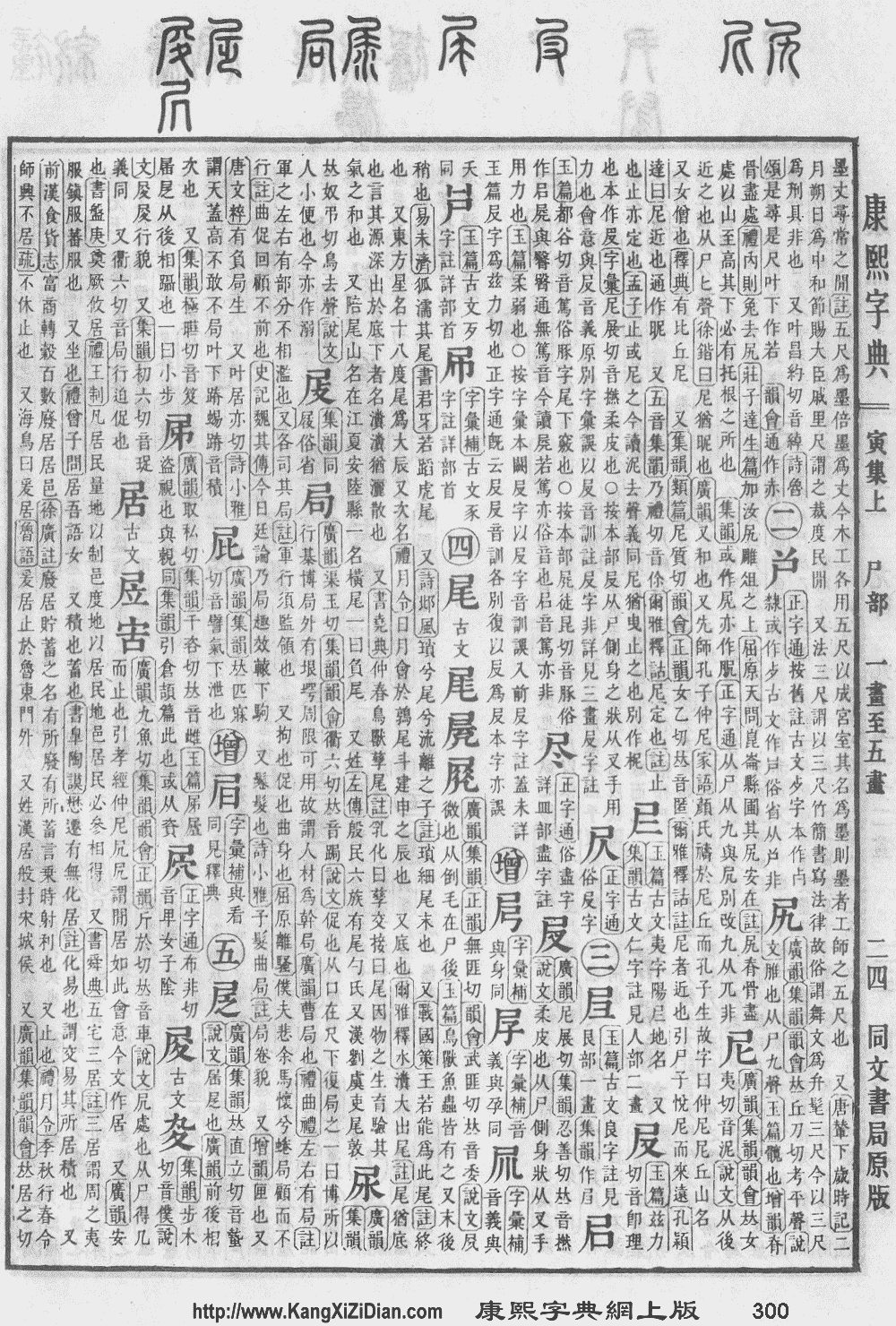
- KangXi: page 300, character 23
- Dai Kanwa Jiten: character 7654
- Dae Jaweon: page 597, character 1
- Hanyu Da Zidian: volume 2, page 966, character 12
- Unihan data for U+5C41
Chinese
| simp. and trad. |
屁 | |
|---|---|---|
Glyph origin
| Characters in the same phonetic series (比) (Zhengzhang, 2003) | |
|---|---|
| Old Chinese | |
| 梐 | *piː, *biːʔ |
| 狴 | *piː |
| 悂 | *piː, *pʰi |
| 螕 | *piː |
| 鎞 | *piː |
| 蓖 | *piː |
| 篦 | *piː, *bis |
| 批 | *pʰiː |
| 砒 | *pʰiː |
| 鈚 | *pʰiː, *bi |
| 磇 | *pʰiː |
| 媲 | *pʰiːs |
| 笓 | *biː |
| 膍 | *biː, *bi |
| 陛 | *biːʔ |
| 仳 | *pʰeʔ, *piʔ, *bi, *briʔ |
| 吡 | *pʰeʔ, *piʔ, *biɡ |
| 紕 | *be, *pʰi, *kʰjɯʔ |
| 比 | *piʔ, *pis, *bi, *bis, *biɡ |
| 妣 | *piʔ, *pis |
| 秕 | *piʔ |
| 沘 | *piʔ, *bi |
| 枇 | *piʔ, *bi, *bis |
| 粊 | *pris |
| 庇 | *pis |
| 屁 | *pʰis |
| 琵 | *bi |
| 毗 | *bi |
| 貔 | *bi |
| 豼 | *bi |
| 蚍 | *bi |
| 芘 | *bi, *bis |
| 肶 | *bi |
| 魮 | *bi |
| 阰 | *bi |
| 坒 | *bis, *biɡ |
| 玭 | *bin |
Phono-semantic compound (形聲, OC *pʰis) : semantic 尸 (“body”) + phonetic 比 (OC *piʔ, *pis, *bi, *bis, *biɡ). A word which understandably appears late in the literature.
Etymology
From Proto-Sino-Tibetan *pja-n/t/s (“fart; shit”). Cognate with Tibetan ཕྱེན (phyen), འཕྱེན ('phyen, “flatulence”), Jingpho hpyet (“to fart”).
Pronunciation
Definitions
屁
- (colloquial) flatulence; fart (Classifier: 篤/笃 c)
- (colloquial) buttocks; backside
- (colloquial) to fart; to pass gas
- 屁者先知 ― pìzhěxiānzhī ― [jocular] The farter is usually the first to realise (and complain about the fart).
- (vulgar) rubbish; worthless; useless; insignificant; trivial
- (vulgar, usually in the negative) a damn thing; (no)thing; damn all; jackshit
- (vulgar) Negates the meaning of the sentence.
Compounds
Japanese
Kanji
屁
Readings
Compounds
Compounds
- 言い出しっ屁 (iidashippe)
- 河童の屁 (kappa no he)
- 最後っ屁 (saigoppe)
- 沈香も焚かず屁もひらず (jinkō mo takazu he mo hirazu)
- 透かし屁 (sukashibe)
- 握り屁 (nigiribe)
- 百日の説法屁一つ (hyakunichi no seppō he hitotsu)
- 屁負い比丘尼 (heoi bikuni)
- 屁糞葛 (hekusokazura), 屁屎葛 (hekusokazura)
- 屁放き虫 (hekokimushi)
- 屁っ放り (heppiri)
- 屁でもない (he demo nai)
- 屁とも思わない (he to mo omowanai)
- 屁の河童 (he no kappa)
- 屁の突っ張りにもならない (he no tsuppari ni mo naranai)
- 放屁 (hehiri)
- 屁理屈 (herikutsu)
- 屁をひって尻すぼめ (he o hitte shiri subome)
- 放屁 (hōhi)
| Kanji in this term |
|---|
| 屁 |
| へ Hyōgaiji |
| kun’yomi |
Pronunciation
Noun
- (mildly vulgar) flatulence, fart
Synonyms
- おなら (onara)
Derived terms
References
Korean
Hanja
屁 • (bi) (hangeul 비, revised bi, McCune–Reischauer pi)
- This term needs a translation to English. Please help out and add a translation, then remove the text
{{rfdef}}.
Vietnamese
Han character
屁 (thí)
- This term needs a translation to English. Please help out and add a translation, then remove the text
{{rfdef}}.
This article is issued from
Wiktionary.
The text is licensed under Creative Commons - Attribution - Sharealike.
Additional terms may apply for the media files.