桜
| ||||||||
Translingual
| Traditional | 櫻 |
|---|---|
| Shinjitai | 桜 |
| Simplified | 樱 |
Han character
桜 (radical 75, 木+6, 10 strokes, cangjie input 木火女 (DFV), composition ⿰木⿱⺍女)
References
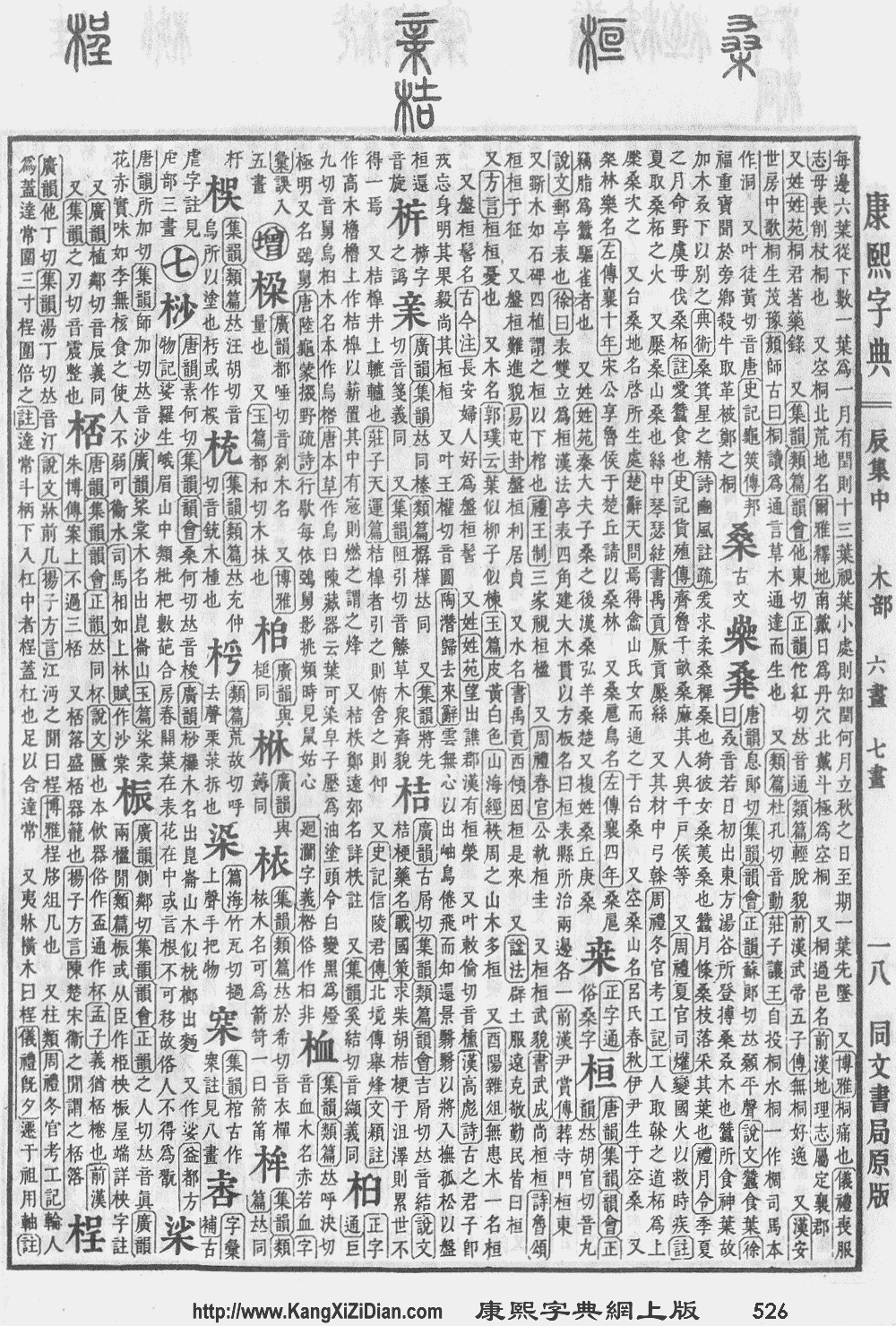
- KangXi: not present, would follow page 526, character 21
- Dai Kanwa Jiten: character 14796
- Hanyu Da Zidian: not present, would follow volume 2, page 1207, character 5
- Unihan data for U+685C
Chinese
| For pronunciation and definitions of 桜 – see 櫻 (“cherry”). (This character, 桜, is the second-round simplified form of 櫻.) |
Notes:
|
Japanese
| 桜 | |
| 櫻 |
Kanji
桜
(grade 5 “Kyōiku” kanji, shinjitai kanji, kyūjitai form 櫻)
Readings
Compounds
Compounds
- 桜蔭会 (Ōinkai)
- 桜雲 (ōun)
- 桜花 (ōka, “cherry blossom”)
- 桜樹 (ōju)
- 桜唇 (ōshin)
- 桜桃 (ōtō, “cherry”, literally "cherry and peach)
- 桜皮 (ōhi)
- 桜門会 (Ōmonkai)
- 桜友会 (Ōyūkai)
- 観桜 (kan'ō)
- 残桜 (zan'ō)
- 老桜 (rōō)
- 山桜桃 (yusura), 山桜桃 (yusura-ume, “Prunus tomentosa”)
Etymology
 | |
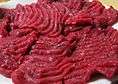 桜(桜肉) "cherry meat" (horsemeat) | |
 |
|
.jpg)


| Kanji in this term |
|---|
| 桜 |
| さくら Grade: 5 |
| kun’yomi |
From Old Japanese,[1] first attested in the Kojiki, the oldest extant historical record of ancient Japan, compiled in 712 CE.
Originally derived from 咲く (saku, “to bloom, burst open”) + 等 (-ra, nominalizing and pluralizing suffix).
Pronunciation
Noun
桜 (shinjitai kanji, kyūjitai kanji 櫻, hiragana さくら, katakana サクラ, rōmaji sakura)
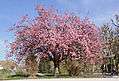
- a cherry tree, more specifically the Japanese cherry (Prunus serrulata)
- 905, Kokin Wakashū (book 16, poem 832)
- a cherry blossom
- 1086, Goshūi Wakashū (book 1, poem 120; also Hyakunin Isshu, poem 73)
- Synonym: 桜花 (ōka, sakurabana)
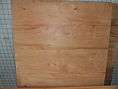
- cherry wood
- cherry bark
- Synonym: 桜皮 (sakuragawa)
- Short for 桜色 (sakura-iro): a pink color, the color of cherry blossoms
- Short for 桜襲, 桜重 (sakura-gasane): a layered style of wearing kimono with one layer in the sakura-iro color
- Short for 桜肉 (sakura niku): horsemeat
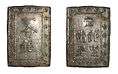
- Synonym of 天保一分銀 (Tenpō ichibugin): a rectangular silver coin issued during the Tenpō era (1830-1844), so called for its cherry blossom pattern; worth one-quarter of a 両 (ryō)
- Synonym: 額銀 (gakugin)
- in the Kansai region, a class of prostitute in the red-light district
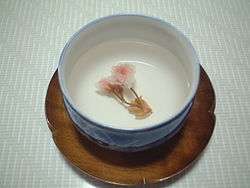
- Short for 桜湯 (sakurayu): sakura tea
- the suit of cards in a hanafuda deck that show the cherry blossom, representing the month of March
- the middle of the dorsal fin of a fish
- (theater, historical) during the Edo Period, a special box or balcony seat for a hired applauder, someone requested to cheer on the performers
- (slang) a shill, capper, or come-on working for a store, auction, or even a swindle, who is paid to attract customers or marks
- (slang) an ear
- Short for 桜炭, 佐倉炭 (Sakura-zumi): a high-quality 炭 (sumi, “charcoal”) made in 佐倉 (Sakura, Chiba Prefecture), using 桜 as ateji for 佐倉
Usage notes
- As with many terms that name organisms, this term is often spelled in katakana, especially in biological contexts, as サクラ.
Derived terms
Derived terms
- 桜麻 (sakura-asa), 桜麻 (sakurao)
- 桜井 (Sakurai)
- 桜烏賊 (sakura ika)
- 桜色 (sakura-iro, “pink; florid”)
- 桜煎り (sakura-iri), 桜煮 (sakura-ni)
- 桜魚 (sakura-uo)
- 桜鯎 (sakura ugui)
- 桜会 (Sakura-e)
- 桜海老, 桜蝦 (sakura-ebi): a kind of shrimp or prawn
- 桜縅 (sakura-odoshi)
- 桜鹿の子 (Sakuraga-no-ko)
- 桜会 (Sakura-kai)
- 桜貝 (sakura-gai): a kind of shellfish
- 桜狩, 桜狩り (sakuragari)
- 桜襲, 桜重 (sakura-gasane)
- 桜紙 (sakura-gami)
- 桜粥 (sakura-gayu)
- 桜川 (Sakuragawa)
- 桜木 (sakuragi, “cherry tree”)
- 桜区 (Sakura-ku)
- 桜サイト (sakura saito)
- 桜島 (Sakurajima)
- 桜炭 (Sakura-zumi)
- 桜前線 (sakura zensen, “the cherry-blossom front”)
- 桜草 (sakurasō), 桜草 (sakuragusa, “primrose”, Primula sieboldii)
- 桜田 (Sakurada)
- 桜鯛 (sakuradai)
- 桜蓼 (sakuratade, “Persicaria conspicua”)
- 桜チーズ (sakura chīzu, “sakura cheese”)
- 桜茶屋 (sakura-jaya)
- 桜月 (Sakura-zuki)
- 桜尽くし, 桜尽し (sakura-zukushi)
- 桜漬, 桜漬け (sakura-zuke)
- 桜灯籠 (sakura-dōrō)
- 桜時 (sakura-doki)
- 桜鍋 (sakuranabe)
- 桜肉 (sakuraniku, “horsemeat”)
- 桜海苔 (sakura nori)
- 桜灰 (Sakura-bai)
- 桜花 (sakurabana): cherry blossom (flower)
- 桜人 (sakura-bito)
- 桜吹雪 (sakura fubuki, “flurry of falling cherry blossoms”)
- 桜乾し (sakuraboshi)
- 桜鱒 (sakuramasu, “cherry salmon”, Oncorhynchus masou)
- 桜間 (Sakurama)
- 桜丸 (Sakuramaru)
- 桜味噌 (sakura miso)
- 桜結び (sakura musubi)
- 桜飯 (sakurameshi), 桜御飯 (sakura gohan)
- 桜餅 (sakuramochi, “sakuramochi”)
- 桜紅葉 (sakura momiji)
- 桜守 (sakuramori)
- 桜湯 (sakurayu, “sakura tea”)
- さくらレポート (Sakura-repōto)
- 桜桃 (sakuranbo, “cherry”, literally "cherry and peach")
- 桜ん坊 (sakuranbō, “edible cherry”)
- 桜蘭 (sakuraran, “Hoya carnosa”)
- 浅葱桜 (asagi-zakura)
- 徒桜 (adazakura)
- 秋桜 (akizakura)
- 朝桜 (asa-zakura)
- 有明桜 (ariake-zakura)
- 家桜 (ie-zakura)
- 石割桜, 石割り桜 (Ishiwari-zakura)
- 糸桜 (itozakura)
- 渦桜 (uzuzakura)
- 薄桜 (usuzakura)
- 淡墨桜 (Usuzumi-zakura)
- 薄花桜 (usuhana-zakura)
- 雲珠桜 (uzu-zakura)
- 姥桜 (ubazakura)
- 上溝桜, 上不見桜 (uwamizu sakura), 金剛桜 (kongō-zakura, “Prunus grayana”)
- 江戸桜 (Edo-zakura)
- 大島桜 (Ōshima-zakura)
- 遅桜 (osozakura)
- 霞桜 (kasumizakura)
- 堅桜 (katazakura)
- 樺桜 (kabazakura), 樺桜 (kaniwa-zakura)
- 河津桜 (Kawazu-zakura)
- 寒桜 (kanzakura)
- 寒緋桜 (kanhi-zakura)
- 黄桜 (kizakura)
- 葛桜 (kuzuzakura)
- 朽木桜, 朽ち木桜 (kuchiki-zakura)
- 熊谷桜 (Kumagai-zakura)
- 雲居の桜 (kumoi no sakura)
- 小米桜 (kogome-zakura)
- 小桜 (kozakura)
- 御所桜 (gosho-zakura)
- 零れ桜 (kobore-zakura)
- 西行桜 (Saigyō-zakura)
- 左近の桜 (Sakon-no-sakura), 南殿の桜 (Naden-no-sakura), 御階の桜 (Mihashi-no-sakura)
- 里桜 (satozakura), 牡丹桜 (botan-zakura)
- 塩竈桜 (shiogama-zakura)
- 四季桜 (shiki-zakura)
- 枝垂れ桜, 垂桜 (shidare-zakura), 垂り桜 (shidari-zakura, “Prunus pendula”)
- 四手桜 (shide-zakura)
- 芝桜 (shibazakura, “Phlox subulata”)
- 十月桜 (jūgatsu-zakura)
- 秋色桜 (Shūshiki-zakura)
- 白桜 (shirozakura)
- 神代桜 (Jindai-zakura)
- 墨染桜 (sumizome-zakura)
- 千本桜 (Senbonzakura)
- 田打ち桜 (tauchi-zakura)
- 滝桜 (Takizakura)
- 種蒔き桜 (tanemaki-zakura)
- 丁子桜 (chōjizakura)
- 栂桜 (tsugazakura, “Phyllodoce nipponica”)
- 同期の桜 (dōki no sakura)
- 遠山桜 (tōyama-zakura)
- 匂桜 (nioi-zakura)
- 庭桜 (niwazakura, “Prunus glandulosa”)
- 葉桜 (hazakura)
- 彼岸桜 (higan-zakura)
- 緋寒桜 (hikanzakura)
- 緋桜 (hizakura)
- 美女桜 (bijozakura, “Verbena phlogiflora”)
- 一重桜 (hitoe-zakura)
- 総桜 (fusazakura, “Euptelea polyandra”)
- 不断桜 (fudan-zakura)
- 豆桜 (mamezakura), 富士桜 (Fuji-zakura, “Prunus incisa”)
- 実桜 (mizakura)
- 峰桜, 嶺桜 (minezakura), 高嶺桜 (takane-zakura, “Prunus nipponica”)
- 深山桜 (miyama-zakura)
- 八重桜 (yaezakura)
- 山桜 (yamazakura)
- 夜桜 (yozakura)
- 夕桜 (yūzakura)
- 楊貴妃桜 (yōkihi-zakura)
- 吉野桜 (Yoshino-zakura)
- 若桜 (waka-zakura)
Idioms
Idioms
- 梅と桜 (ume to sakura)
Proverbs
Proverbs
- 桜伐る馬鹿梅伐らぬ馬鹿, 桜切る馬鹿梅切らぬ馬鹿 (sakura kiru baka ume kiranu baka)
- 明日ありと思う心の仇桜 (asu ari to omō kokoro no ada-zakura)
- 五月の桜で葉ばかりさま (satsuki no sakura de ha-bakari-sama)
- 三日見ぬ間の桜 (mikka minu ma no sakura)
Descendants
- English: sakura
See also
Proper noun
桜 (hiragana さくら, rōmaji Sakura)
- a female given name.
- a place name
- a piece of koto music, often entitled Sakura Sakura in English
- a piece of music played at the start of 平曲 (Heikyoku, retelling of The Tale of the Heike with 琵琶 (biwa) lute accompaniment)
See also
Sakura song (file)
References
- ↑ 1988, 国語大辞典(新装版) (Kokugo Dai Jiten, Revised Edition) (in Japanese), Tōkyō: Shogakukan
- ↑ 2006, 大辞林 (Daijirin), Third Edition (in Japanese), Tōkyō: Sanseidō, →ISBN
- ↑ Laurel Rasplica Rodd; Mary Catherine Henkenius (1996) Kokinshū: A Collection of Poems Ancient and Modern (C & T Asian literature series; C & T Asian languages series), reprint edition, Cheng & Tsui, →ISBN, page 288
- ↑ Princess Shikishi; Hiroaki Sato (1993) String of Beads: Complete Poems of Princess Shikishi (A publication of the School of Hawaiian, Asian & Pacific studies; SHAPS library of translations), illustrated edition, University of Hawaii Press, →ISBN, page 77
This article is issued from
Wiktionary.
The text is licensed under Creative Commons - Attribution - Sharealike.
Additional terms may apply for the media files.