強
| ||||||||
Translingual
| Japanese | 強 |
|---|---|
| Simplified | 强 |
| Traditional | 強 |
Han character
強 (radical 57, 弓+8, 11 strokes, cangjie input 弓戈中戈 (NILI), four-corner 13236, composition ⿰弓𧈧 or ⿸弘虫)
References
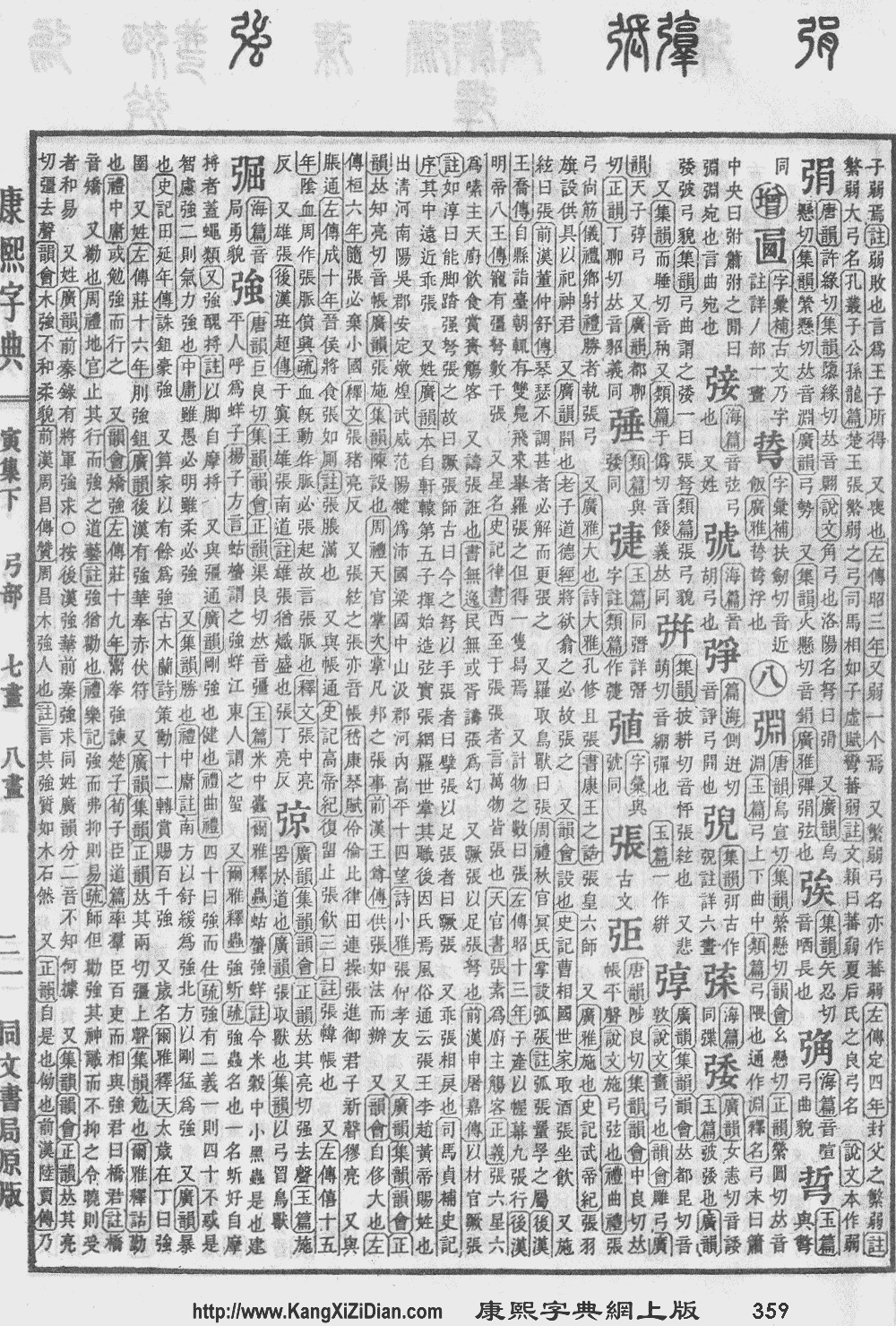
- KangXi: page 359, character 23
- Dai Kanwa Jiten: character 9815
- Hanyu Da Zidian: volume 2, page 999, character 7
- Unihan data for U+5F37
Chinese
Glyph origin
| Historical forms of the character 強 |
|---|
| Shuowen Jiezi (compiled in Han) |
| Small seal script |
 |
| Characters in the same phonetic series (強) (Zhengzhang, 2003) | |
|---|---|
| Old Chinese | |
| 繈 | *kaŋʔ |
| 襁 | *kaŋʔ |
| 膙 | *kaŋʔ |
| 鏹 | *kaŋʔ |
| 勥 | *ɡaŋ, *ɡaŋʔ |
| 強 | *ɡaŋ, *ɡaŋʔ |
Zhengzhang (2003): Phono-semantic compound (形聲, OC *ɡaŋ, *ɡaŋʔ) : phonetic 彊 (OC *kaŋs, *ɡaŋ, *ɡaŋʔ) + semantic 虫 (“insect”).
Shuowen: Phono-semantic compound (形聲, OC *ɡaŋ, *ɡaŋʔ) : phonetic 弘 (OC *ɡʷɯːŋ) + semantic 虫 (“insect”).
Pronunciation 1
| trad. | 強 | |
|---|---|---|
| simp. | 强 | |
| alt. forms | 强 彊 | |
Definitions
強
- strong; powerful; energetic
- to strengthen
- staunch; strong-willed
- brutal; forceful
- capable; of a high level
- superior; better
- slightly more than; plus
- (Teochew) clever
- (Teochew) good at
Antonyms
- 弱 (ruò)
Compounds
Derived terms from 強
|
|
|
Pronunciation 2
| trad. | 強 | |
|---|---|---|
| simp. | 强 | |
| alt. forms | 强 彊 | |
Definitions
強
Compounds
Derived terms from 強
Pronunciation 3
| trad. | 強 | |
|---|---|---|
| simp. | 强 | |
| alt. forms | 犟 勥 强 彊 | |
Definitions
強
Compounds
Japanese
Kanji
強
Readings
Compounds
Derived terms
- 頑強 (gankyō)
- 強圧 (kyōatsu)
- 強化 (kyōka)
- 強悍 (kyōkan)
- 強諫 (kōren)
- 強顔 (kyōgan)
- 強幹弱枝 (kyōkanjakushi)
- 強記 (kyōki)
- 強禦 (kyōgyo)
- 強圉 (kyōgyo)
- 強肩 (kyōken)
- 強健 (kyōken)
- 強権 (kyōken)
- 強固 (kyōko)
- 強行 (kyōkō)
- 強攻 (kyōkō)
- 強硬 (kyōkō)
- 強梗 (kyōkō)
- 強豪 (kyōgō)
- 強行軍 (kyōkōgun)
- 強仕 (kyōshi)
- 強死 (kyōshi)
- 強志 (kyōshi)
- 強弱 (kyōjaku)
- 強襲 (kyōshū)
- 強恕 (kyōjo)
- 強靭 (kyōjin)
- 強制 (kyōsei)
- 強請 (kyōsei)
- 強僭 (kyōsen)
- 強壮 (kyōsō)
- 強大 (kyōdai)
- 強調 (kyōchō)
- 強弩 (kyōdo)
- 強忍 (kyōnin)
- 強迫 (kyōhaku)
- 強迫観念 (kyōhakukannen)
- 強半 (kyōhan)
- 強風 (kyōfū)
- 強弁 (kyōben)
- 強暴 (kyōbō)
- 強要 (kyōyō)
- 強梁 (kyōryō)
- 強力 (kyōryoku): brute strength
- 強烈 (kyōretsu)
- 屈強 (kukkyō)
- 堅強 (kenkyō)
- 牽強 (kenkyō)
Proper noun
強 (hiragana つよし, rōmaji Tsuyoshi)
- A male given name
Korean
Hanja
強 • (gang)
- This term needs a translation to English. Please help out and add a translation, then remove the text
{{rfdef}}.
Vietnamese
Han character
Compounds
- 強國 (cường quốc)
Adverb
強 (càng)
- With a comparative or verb phrase, establishes a parallel with one or more other such comparatives.
- 18th–19th century: Hồ Xuân Hương, "Vịnh quạt"
強 燶 包 饒 辰 強 沫 /要 店 諸 斐 吏 要 𣈜 - The hotter you get, the more refreshing you get / It wasn’t enough to love at night, now we love during the day.
- 18th–19th century: Hồ Xuân Hương, "Vịnh quạt"
- all the more, all the less
References
This article is issued from
Wiktionary.
The text is licensed under Creative Commons - Attribution - Sharealike.
Additional terms may apply for the media files.