入
| ||||||||
Translingual
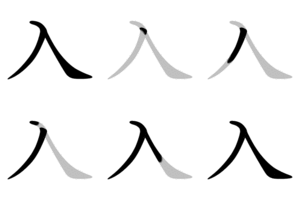
| Stroke order | |||
|---|---|---|---|
 | |||
Han character
入 (radical 11, 入+0, 2 strokes, cangjie input 人竹 (OH), four-corner 80000)
- Kangxi radical #11, ⼊.
Derived characters
- Index:Chinese radical/入
References
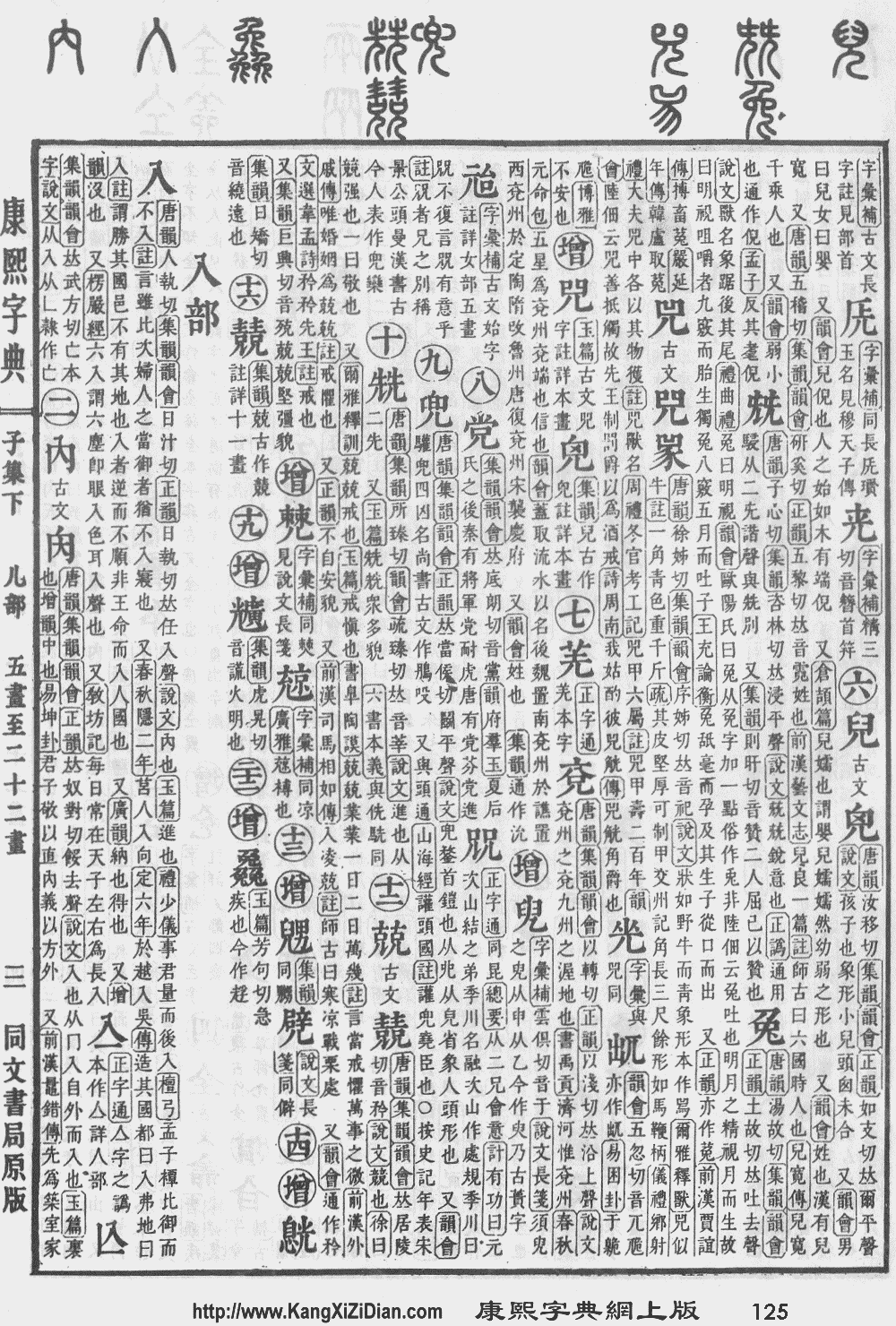
- KangXi: page 125, character 32
- Dai Kanwa Jiten: character 1415
- Dae Jaweon: page 266, character 18
- Hanyu Da Zidian: volume 1, page 102, character 1
- Unihan data for U+5165
Chinese
| simp. and trad. |
入 | |
|---|---|---|
Glyph origin
| Historical forms of the character 入 | ||||||||||||||||||||||||||||||||||||||||||||||||||||||||||||||||||||||||||||||||||||||||||||||||||||||||||||||||||||||||||||||||
|---|---|---|---|---|---|---|---|---|---|---|---|---|---|---|---|---|---|---|---|---|---|---|---|---|---|---|---|---|---|---|---|---|---|---|---|---|---|---|---|---|---|---|---|---|---|---|---|---|---|---|---|---|---|---|---|---|---|---|---|---|---|---|---|---|---|---|---|---|---|---|---|---|---|---|---|---|---|---|---|---|---|---|---|---|---|---|---|---|---|---|---|---|---|---|---|---|---|---|---|---|---|---|---|---|---|---|---|---|---|---|---|---|---|---|---|---|---|---|---|---|---|---|---|---|---|---|---|---|
| Shang | Western Zhou | Warring States | Shuowen Jiezi (compiled in Han) | Liushutong (compiled in Ming) | ||||||||||||||||||||||||||||||||||||||||||||||||||||||||||||||||||||||||||||||||||||||||||||||||||||||||||||||||||||||||||||
| Oracle bone script | Bronze inscriptions | Chu Slip and silk script | Small seal script | Transcribed ancient scripts | ||||||||||||||||||||||||||||||||||||||||||||||||||||||||||||||||||||||||||||||||||||||||||||||||||||||||||||||||||||||||||||
 |
 |
 |
 |
 | ||||||||||||||||||||||||||||||||||||||||||||||||||||||||||||||||||||||||||||||||||||||||||||||||||||||||||||||||||||||||||||
||||
|
References: Mostly from Richard Sears' Chinese Etymology site (authorisation),
| ||||||||||||||||||||||||||||||||||||||||||||||||||||||||||||||||||||||||||||||||||||||||||||||||||||||||||||||||||||||||||||||||


Ideogram (指事) - an arrowhead indicating "to enter".
Compare 人 (rén).
Etymology
From Proto-Sino-Tibetan *nup ~ nip. Cognate with Tibetan ནུབ (nub, “to fall (gradually), sink, to set; to decay, to decline”) and Burmese နိပ် (nip, “to decline (e.g. price); to be suppressed, to settle, to be quelled”).
Chinese characters belonging to the same word family include:
- 納 (OC *nuːb, “to make enter”)
- 內 (OC *nuːbs, “inside”)
- 軜 (OC *nuːb, “reins on the inside of the horse”)
- 妠 (OC *nuːms, *nuːb, *rnoːd, “to marry (a girl)”)
- and potentially Cantonese 擸 (laap3, “to bring together, to collect”)
The regular Mandarin pronunciation as predicted from Middle Chinese is rì. The irregular sound change is for taboo reasons - to avoid homophony with its derived vulgar meaning "to enter > to have sexual intercourse", nowadays represented by 日 (rì).
Pronunciation
Definitions
入
- to enter; to go into
- to join; to become a member of
- to accept; to admit
- to pay
- income
- to confirm; to agree
- to conform (to)
- to arrive (at); to attain
- to go to imperial court
- to invade
- (telephony) to get through
- Synonyms: 通 (tōng)
- (Cantonese) inside
- (dialectal Mandarin, dialectal Wu, vulgar) to fuck; to have sexual intercourse
- Short for 入聲/入声 (rùshēng, “the checked tone”).
Compounds
|
|
|
Japanese
Kanji
Readings
Compounds
|
|
|
|
Related terms
Counter
入 (hiragana しお, rōmaji -shio)
Korean
Hanja
入 • (ip)
Vietnamese
Han character
- This term needs a translation to English. Please help out and add a translation, then remove the text
{{rfdef}}.