獑
| ||||||||
Translingual
Han character
獑 (radical 94 犬+11, 14 strokes, cangjie input 大竹十十中 (KHJJL), four-corner 42221, composition ⿰犭斬)
References
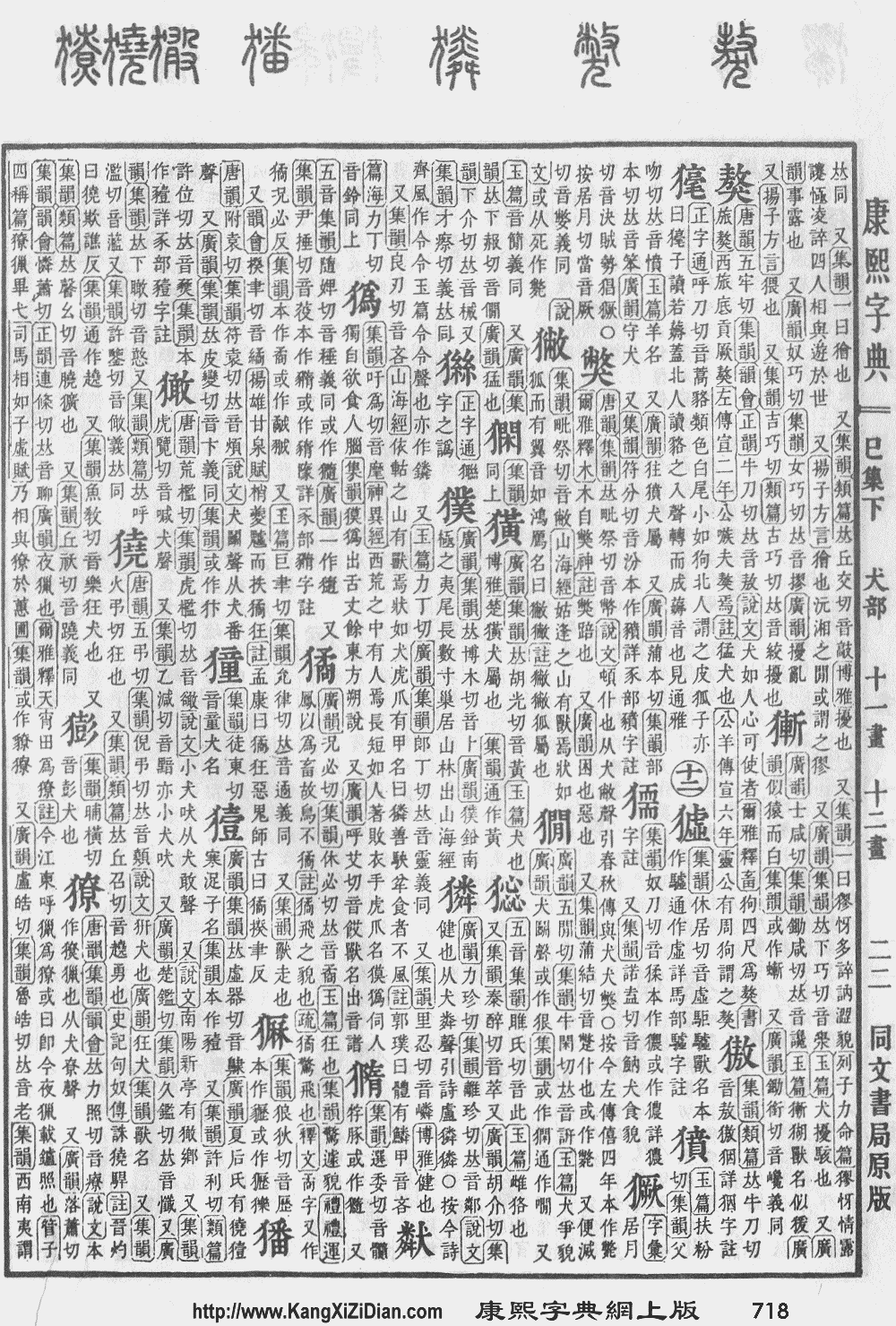
- KangXi: page 718, character 1
- Dai Kanwa Jiten: character 20645
- Dae Jaweon: page 1129, character 15
- Hanyu Da Zidian: volume 2, page 1364, character 21
- Unihan data for U+7351
Chinese
| simp. and trad. |
獑 | |
|---|---|---|
Glyph origin
| Characters in the same phonetic series (斬) (Zhengzhang, 2003) | |
|---|---|
| Old Chinese | |
| 慚 | *zaːm |
| 慙 | *zaːm |
| 鏨 | *zaːm, *zaːmʔ, *zaːms, *zeːm, *zamʔ |
| 槧 | *zaːmʔ, *sʰam, *sʰams, *zamʔ |
| 暫 | *zaːms |
| 蹔 | *zaːms |
| 斬 | *ʔsreːmʔ |
| 獑 | *zeːm, *zaːm |
| 嶃 | *zreːmʔ, *zaːm |
| 覱 | *ʔsraːms |
| 摲 | *sʰraːms |
| 漸 | *ʔsam, *zamʔ |
| 塹 | *sʰams |
| 壍 | *sʰams |
| 嬱 | *sʰams |
| 螹 | *zam, *zamʔ |
| 蔪 | *zamʔ |
Phono-semantic compound (形聲, OC *zeːm, *zaːm) : semantic 犬 (“dog”) + phonetic 斬 (OC *ʔsreːmʔ).
Pronunciation
Definitions
獑
- † a kind of macaque, probably the rhesus macaque
-
- 當其時也,山獸驚躍,水禽亂飛,魚獺沉潭以不動,獑猱拱樹以相依。 [Classical Chinese, trad.]
- From: 7th–8th century, 趙冬曦 (Zhao Dongxi), 《三門賦》
- Dāng qí shí yě, shānshòu jīngyuè, shuǐqín luàn fēi, yú tǎ chéntán yǐ bù dòng, chán náo gǒng shù yǐ xiāngyī. [Pinyin]
- Just at that time, the beasts in the mountains leapt in fear, and the fowl in the waters flew in confusion; the fish and the otters drowned and did not move, and the macaques and gibbons swung around the trees and relied on each other.
当其时也,山兽惊跃,水禽乱飞,鱼獭沉潭以不动,獑猱拱树以相依。 [Classical Chinese, simp.]
-
Compounds
|
|
This article is issued from
Wiktionary.
The text is licensed under Creative Commons - Attribution - Sharealike.
Additional terms may apply for the media files.