枝
See also: 支
| ||||||||
Translingual
Han character
枝 (radical 75 木+4, 8 strokes, cangjie input 木十水 (DJE), four-corner 44947, composition ⿰木支)
References
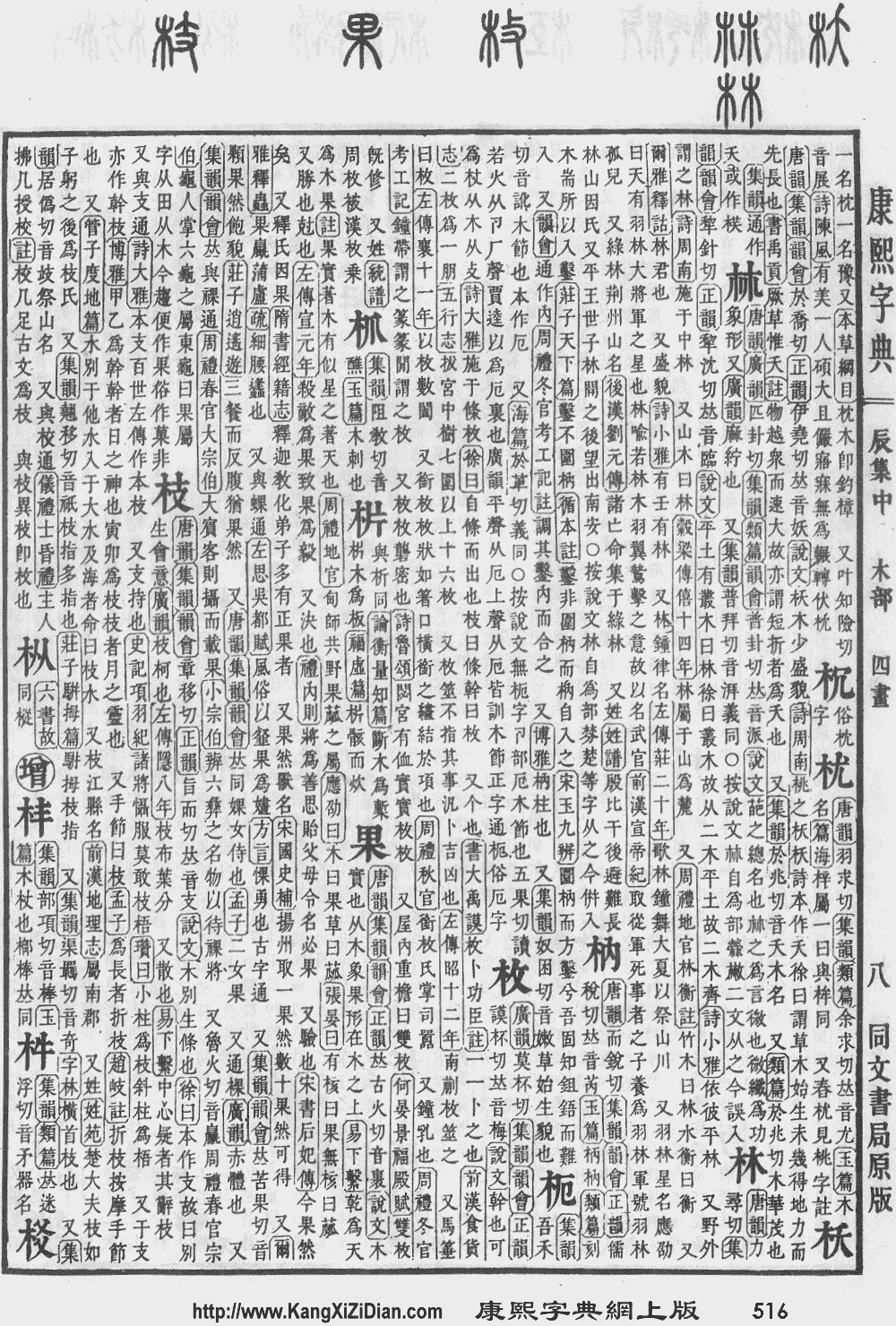
- KangXi: page 516, character 12
- Dai Kanwa Jiten: character 14557
- Dae Jaweon: page 904, character 6
- Hanyu Da Zidian: volume 2, page 1165, character 7
- Unihan data for U+679D
Chinese
| simp. and trad. |
枝 | |
|---|---|---|
Glyph origin
| Historical forms of the character 枝 | |
|---|---|
| Shuowen Jiezi (compiled in Han) | Liushutong (compiled in Ming) |
| Small seal script | Transcribed ancient scripts |
 |
 |
| Characters in the same phonetic series (支) (Zhengzhang, 2003) | |
|---|---|
| Old Chinese | |
| 支 | *kje |
| 枝 | *kje |
| 肢 | *kje |
| 汥 | *kje, *ɡe, *ɡres |
| 衼 | *kje |
| 馶 | *kje, *qʰjes, *kes, *ɡe |
| 鳷 | *kje |
| 忮 | *kjes |
| 伎 | *kjes, *ɡe, *ɡreʔ |
| 豉 | *ɡjes |
| 翅 | *qʰjes |
| 翄 | *qʰjes, *ɡe |
| 妓 | *kre, *ɡreʔ |
| 庋 | *kreʔ, *kʷreʔ |
| 跂 | *kʰeʔ, *kʰes, *ɡe |
| 蚑 | *kʰes, *ɡe |
| 吱 | *kʰes |
| 岐 | *ɡe |
| 歧 | *ɡe |
| 鬾 | *ɡre, *ɡres |
| 技 | *ɡreʔ |
| 芰 | *ɡres |
| 攱 | *kʷreʔ, *kʷres |
| 庪 | *kʷreʔ |
| 頍 | *kʰʷeʔ |
| 屐 | *ɡreɡ |
Phono-semantic compound (形聲, OC *kje) : semantic 木 (“tree”) + phonetic 支 (OC *kje).
Pronunciation 1
Definitions
枝
Compounds
Derived terms from 枝
|
|
Pronunciation 2
Definitions
枝
Japanese
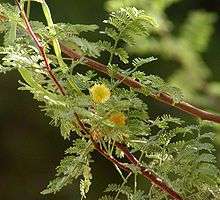
枝
Kanji
枝
Readings
References
Noun
Coordinate terms
- 葉 (ha, “leaf”)
Korean
Hanja
枝 • (ji) (hangeul 지, revised ji, McCune–Reischauer chi, Yale ci)
- This term needs a translation to English. Please help out and add a translation, then remove the text
{{rfdef}}.
Vietnamese
Han character
- This term needs a translation to English. Please help out and add a translation, then remove the text
{{rfdef}}.
This article is issued from
Wiktionary.
The text is licensed under Creative Commons - Attribution - Sharealike.
Additional terms may apply for the media files.