fruit
English
Etymology
(1125–75) From Middle English frute, fruit, fruct, fruyt, frut (“fruits and vegetables”), from Old French fruit, from Latin fructus (“enjoyment, proceeds, profits, produce, income”), a derivative of fruor (“have the benefit of, to use, to enjoy”), from Proto-Indo-European *bʰruHg- (“to make use of, to have enjoyment of”); cognate with Modern German brauchen (“to use”), brook (“to tolerate”). Displaced native Middle English ovet (“fruit”) (from Old English ofett (“fruit”); > English ovest (“mast, nuts, acorns”)), Middle English wastum, wastom (“fruit, growth”) (from Old English wæstm (“growth, produce, increase, fruit”)), and Middle English blede (“fruit, flower, offspring”) (from Old English blēd (“fruit, flower”)).
| Picture dictionary |
|---|
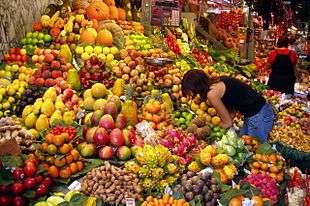


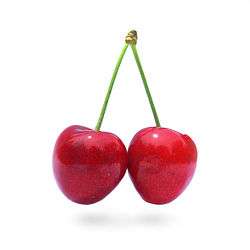
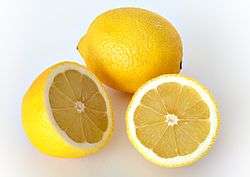
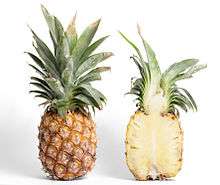
.jpg)

Pronunciation
- (Received Pronunciation) enPR: fro͞ot, IPA(key): /fɹuːt/
- (General American) IPA(key): /fɹut/
Audio (US) (file) Audio (UK) (file) - Rhymes: -uːt
Noun
fruit (countable and uncountable, plural fruits) (see Usage notes for discussion of plural)
- (botany) The seed-bearing part of a plant, often edible, colourful/colorful and fragrant, produced from a floral ovary after fertilization.
- While cucumber is technically a fruit, one would not usually use it to make jam.
- Any sweet, edible part of a plant that resembles seed-bearing fruit, even if it does not develop from a floral ovary; also used in a technically imprecise sense for some sweet or sweetish vegetables, such as rhubarb, that resemble a true fruit or are used in cookery as if they were a fruit.
- Fruit salad is a simple way of making fruits into a dessert.
- An end result, effect, or consequence; advantageous or disadvantageous result.
- His long nights in the office eventually bore fruit when his business boomed and he was given a raise.
- Shakespeare
- the fruit of rashness
- Bible, Isaiah iii. 10
- They shall eat the fruit of their doings.
- Macaulay
- The fruits of this education became visible.
- Offspring from a sexual union.
- Blessed art thou amongst women and blessed is the fruit of thy womb.
- The litter was the fruit of the union between our whippet and their terrier.
- Shakespeare
- King Edward's fruit, true heir to the English crown
- (dated, colloquial, derogatory) A homosexual or effeminate man.
- (as a modifier) Of, pertaining to, or having fruit; (of living things) producing or consuming fruit.
Usage notes
- In the botanical and figurative senses, fruit is usually treated as uncountable:
- a bowl of fruit; eat plenty of fruit; the tree provides fruit.
- fruits is also sometimes used as the plural in the botanical sense:
- berries, achenes, and nuts are all fruits; the fruits of this plant split into two parts.
- When fruit is treated as uncountable in the botanical sense, a piece of fruit is often used as a singulative.
- In senses other than the botanical or figurative ones derived from the botanical sense, the plural is fruits.
- The culinary sense often does not cover true fruits that are savoury or used chiefly in savoury foods, such as tomatoes and peas. These are normally described simply as vegetables.
Derived terms
Related terms
Translations
|
|

|
|
|
|
|
- The translations below need to be checked and inserted above into the appropriate translation tables, removing any numbers. Numbers do not necessarily match those in definitions. See instructions at Wiktionary:Entry layout#Translations.
Verb
fruit (third-person singular simple present fruits, present participle fruiting, simple past and past participle fruited)
- To produce fruit, seeds, or spores.
- 1910, Canada Experimental Farms Service, Report of the Dominion Experimental Farms:
- It may be said, however, that the percentage of green apples among the Fameuse seedlings is much less than among the others as out of 33 Fameuse seedlings which had fruited up to this year, none was green and we recollect but one light coloured Fameuse seedling fruiting this year.
- 1998, Randy Molina & David Pilz, Managing Forest Ecosystems to Conserve Fungus Diversity and Sustain Wild Mushroom Harvests, →ISBN, page 10:
- For example, chanterelles and russulas can start fruiting in early to mid summer given sufficient moisture, but other species, such as matsutake, rarely fruit until temperatures cool in the autumn, even if moisture is available earlier.
- 2014, David Mitchell, The Bone Clocks, →ISBN, page 12:
- The grass and weeds come up to my waist and the plum trees are already fruiting up, though most of the fruit'll go to the wasps and the worms, Vinny says, 'cause he can't be arsed to pick it.
-
Translations
See also
- Category:Fruits for a list of fruits
Further reading

Catalan
Etymology
From Old Occitan [Term?], from Latin fructus.
Noun
fruit m (plural fruits)
Dutch
Etymology
From Middle Dutch fruut, froyt, from Old French fruit.
Pronunciation
- Rhymes: -œy̯t
- IPA(key): /frœy̯t/
audio (file)
Noun
fruit n (uncountable)
- fruit (produced by trees or bushes, or any sweet vegetable)
Synonyms
Derived terms
French
Etymology
From Middle French fruict, alteration of Old French fruit, from Latin frūctus (“enjoyment, proceeds, profits, produce, income”), a derivative of fruor (“have the benefit of, to use, to enjoy”), from Proto-Indo-European *bʰrug- (“to make use of, to have enjoyment of”).
Pronunciation
- IPA(key): /fʁɥi/
Audio "un fruit" (Western France) (file) - Homophone: fruits
Noun
fruit m (plural fruits)
Derived terms
Further reading
- “fruit” in le Trésor de la langue française informatisé (The Digitized Treasury of the French Language).
Middle English
Noun
fruit (uncountable)
- Alternative form of frute
Old French
Etymology
Pronunciation
- IPA(key): /fryjt/
Noun
fruit m (oblique plural fruiz or fruitz, nominative singular fruiz or fruitz, nominative plural fruit)
- fruit
- circa 1170, Christian of Troyes, Érec et Énide
- Oisiaus et veneison et fruit
- bird, venison and fruits
- circa 1170, Christian of Troyes, Érec et Énide