oko
Barasana
Noun
oko
Derived terms
References
- 1982, Hugh-Jones, Barasana Cosmology, in Ethnoastronomy and archaeoastronomy in the American tropics: oko sohe "the east (literally: the water door)", kuma oko "summer rain (by extension, any heavy rain)", oko uhu "master of water: the egret"
Carapana
Noun
oko
References
- Ronald G. Metzger, The Morpheme KA- of Carapana (Tucanoan)
Cubeo
Noun
oko
References
- Catching Language: The Standing Challenge of Grammar Writing (2006, →ISBN, citing Morse and Maxwell (1999)
Czech
Etymology
From Proto-Slavic *oko, from Proto-Indo-European *h₃ekʷ-.
Pronunciation
- IPA(key): /ˈoko/
audio (file)
Noun
oko n
- (anatomy) eye
- (card games) twenty-one, pontoon
- tarn
- eye (center of a storm)
Usage notes
- The plural of definition 1 takes the dual form.
Declension
| singular | plural | dual | |
|---|---|---|---|
| nominative | oko | oka | oči |
| genitive | oka | ok | očí |
| dative | oku | okám, okům | očím |
| accusative | oko | oka | oči |
| vocative | oko | oka | oči |
| prepositional | oku | okách | očích |
| instrumental | okem | oky | očima |
Derived terms
- (anatomy): okamžik m, očividný m, okatý m, oční m, očnice f, očař m, mít oči jako dvě studánky, mít oči pro někoho, házet po někom očima, padnout do oka, babočka paví oko
- oko za oko, zub za zub
Further reading
- oko in Příruční slovník jazyka českého, 1935–1957
- oko in Slovník spisovného jazyka českého, 1960–1971, 1989
Esperanto
Etymology
Noun
oko (accusative singular okon, plural okoj, accusative plural okojn)
Derived terms
See also
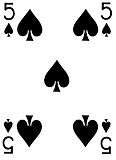
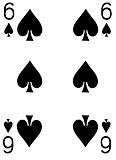
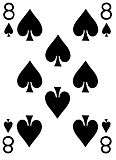
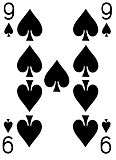
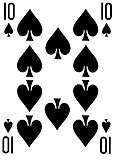
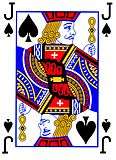
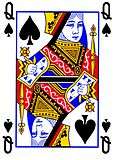
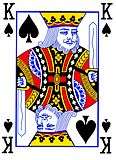
| Playing cards in Esperanto · ludkartoj (layout · text) | ||||||
|---|---|---|---|---|---|---|
 |
 |
 |
 |
 |
 |
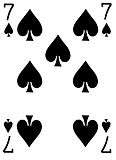 |
| aso | duo | trio | kvaro | kvino | seso | sepo |
 |
 |
 |
 |
 |
 |
 |
| oko | naŭo | deko | fanto, bubo | damo | reĝo | ĵokero |
Guaraní
Noun
oko
Japanese
Romanization
oko
Koreguaje
Noun
oko
References
- Classification of South American Indian Languages (1968), page 181
Polish
Etymology
From Proto-Slavic *oko, from Proto-Indo-European *h₃ekʷ-.
Pronunciation
- IPA(key): /ˈɔ.kɔ/
audio (file)
Noun
oko n (diminutive oczko)
- (anatomy) eye
- drop of fat or oil floating on the surface of liquid
- (meteorology) eye of cyclone
Declension
| (anatomy) | (other uses) |
*rare
Further reading
- oko in Polish dictionaries at PWN
Secoya
Alternative forms
Noun
oko
References
- Linguistic series of the Summer Institute of Linguistics of the University of Oklahoma, issues 5-7 (1961)
Serbo-Croatian
Pronunciation
- IPA(key): /ôko/
- Hyphenation: o‧ko
Etymology 1
From Proto-Slavic *oko, from Proto-Indo-European *h₃ekʷ-.
Noun
ȍko n (Cyrillic spelling о̏ко)
Declension
Etymology 2
Preposition
ȍko (Cyrillic spelling о̏ко) (+ genitive case)
- around
- about
- approximately
- Zaplijenjeno je oko 45 kg. ― Approximately 45 kg was seized.
Siona
Noun
oko
References
- Classification of South American Indian Languages (1968), page 181
Slovak
Etymology
From Proto-Slavic *oko, from Proto-Indo-European *h₃ekʷ-.
Pronunciation
- IPA(key): /ˈɔkɔ/
Noun
oko n (genitive singular oka, nominative plural oči, oká, genitive plural očí/očú, ôk, declension pattern of mesto)
Declension
| #1 | #2 |
Derived terms
- očný
- očisko
References
- oko in Slovak dictionaries at korpus.sk
Slovene
Etymology
From Proto-Slavic *oko, from Proto-Indo-European *h₃ekʷ-.
Pronunciation
- IPA(key): /ɔˈkóː/
- Tonal orthography: okọ̑
Noun
okó n (genitive očésa, nominative plural očésa or očí)
Declension
This noun has two plural forms, which are used in different situations:
- When talking about the eyes in anatomical sense, the 2nd plural is used (for example: "My eyes hurt." - "Oči me bolijo."; or "The spiders have eight eyes." - "Pajki imajo osem oči.").
- In other cases, where the word "oko" means other things (for example: "oko" meaning "a sprout on a potato"; or "kurje oko" meaning "a callus"), the normal plural is used.
- The dual is used when referring specifically to both eyes (for example: "He lost both eyes in the war." - "V vojni je izgubil obe očesi.").
Tocharian B
Etymology
May be a derivative ultimately of Proto-Indo-European *h₂ewg- (“increase, grow”); one theory suggests it was a borrowing from the Tocharian A oko, with the same meaning, but it was more likely that it was taken from B into A instead, as is more often the case. Alternatively, another plausible etymology may be Proto-Indo-European *h₂ógeh₂ (“berry, fruit”) (compare Lithuanian úoga, Latvian oga, Russian я́года (jágoda), Old English æcern (English acorn)).
Noun
oko
Tucano
Noun
okó
References
- Estudios tucanos (1979), issue 3, page 16: [oko] 'agua' /oko/
- HG
Tuyuca
Noun
okó
References
- Janet Barnes, notes on Tuyuca in Tucano, in The Amazonian Languages (Robert M. W. Dixon)
Warao
Pronoun
oko