駅
| ||||||||
Translingual
| Traditional | 驛 |
|---|---|
| Shinjitai | 駅 |
| Simplified | 驿 |
Han character
駅 (radical 187, 馬+4, 14 strokes, cangjie input 尸火尸人 (SFSO), four-corner 77387, composition ⿰馬尺)
References
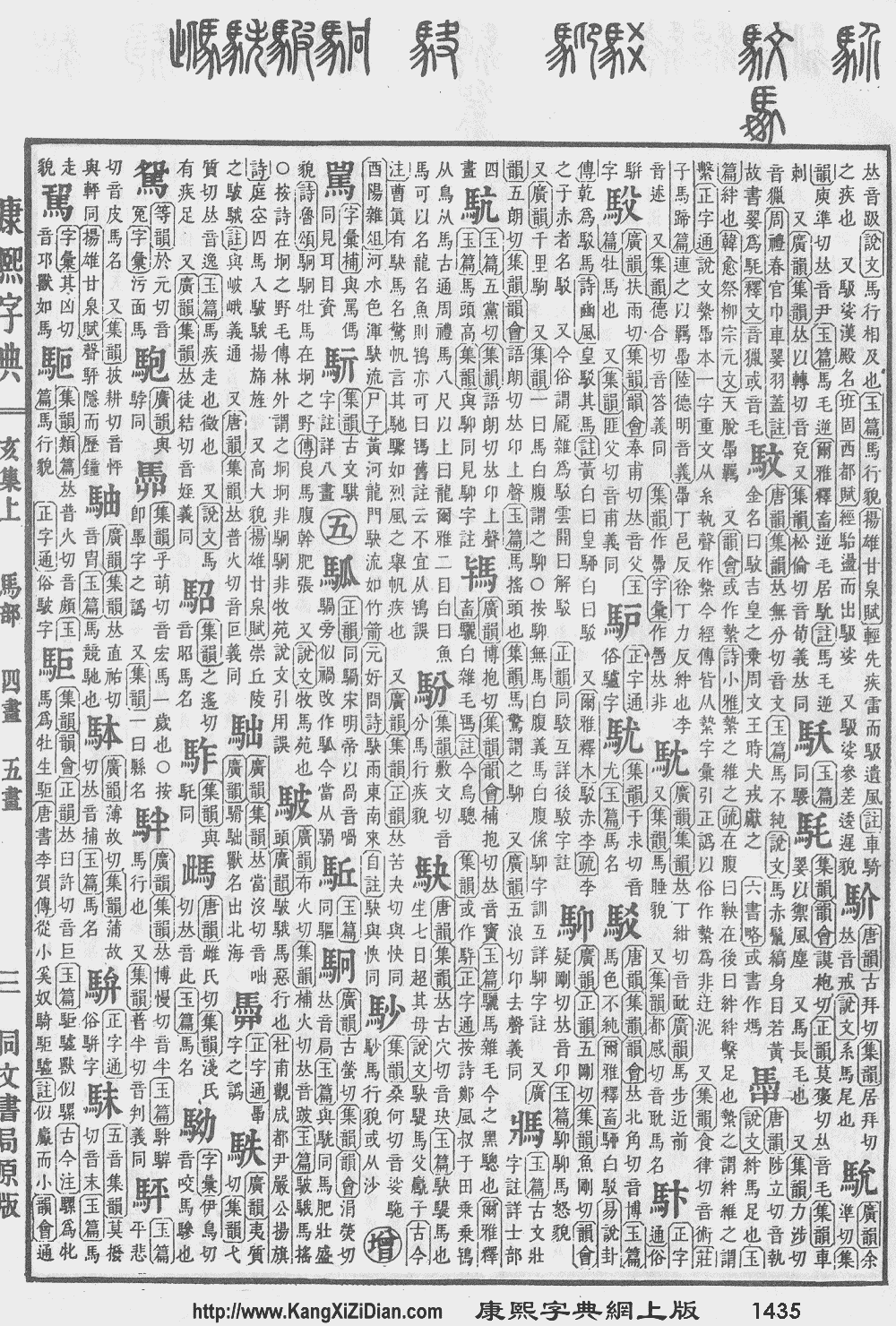
- KangXi: not present, would follow page 1435, character 21
- Dai Kanwa Jiten: character 44633
- Dae Jaweon: page 1960, character 6
- Hanyu Da Zidian: not present, would follow volume 7, page 4545, character 9
- Unihan data for U+99C5
Chinese
| simp. and trad. |
駅 | |
|---|---|---|
Etymology
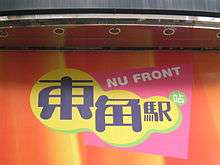
From Japanese 駅 (eki), read either etymologically as 驛/驿 (jik6) or semantically as 站 (zaam6).
Pronunciation
Definitions
駅
- (only used in place names) station
Usage notes
This character is used in place names in Hong Kong for stylistic effect; it is also used for faithful rendition of Japanese place names.
Japanese
| 駅 | |
| 驛 |
Glyph origin
Kanji
駅
(grade 3 “Kyōiku” kanji, shinjitai kanji, kyūjitai form 驛)
Readings
Etymology
| Kanji in this term |
|---|
| 駅 |
| えき Grade: 3 |
| on’yomi |
Pronunciation
Note: When used as a suffix, the accent falls on the last syllable of the place name.[2]
Noun
駅 (shinjitai kanji, kyūjitai kanji 驛, hiragana えき, rōmaji eki)
- station (train, underground/subway)
Compounds
Derived terms
- 道の駅 (michi no eki)
- 海の駅 (umi no eki)
References
This article is issued from
Wiktionary.
The text is licensed under Creative Commons - Attribution - Sharealike.
Additional terms may apply for the media files.