negro
English
Etymology
Borrowed from Spanish and Portuguese negro (“black”), from Latin nigrum, masculine accusative case of niger (“black”), of uncertain origin[1], but possibly from Proto-Indo-European *nókʷts (“night”).[2]
Pronunciation
- (General American) IPA(key): /ˈniɡɹoʊ/
- (Received Pronunciation) IPA(key): /ˈniːɡɹəʊ/
Adjective
negro (not comparable)
- (dated, now offensive) Relating to the black ethnicity.
- 1963 April, “Anti-bias Coffee Klatsch: Windy City Interfaith Project Fights Bigotry with Coffee, Cookies and Conversation”, in Ebony, volume XVIII, number 6, Chicago, Ill.: Johnson Publishing Company, ISSN 0012-9011, page 67:
- Recently, on a wintry Sunday, some 2,500 white Chicago area residents embarked on a strange safari across the city, determined to do what most of them had never done before—visit a Negro home. Eager to purge themselves of ignorance about the city's "other half," they were participants in Interracial Home Visit Day, a "Coffee Klatsch" co-sponsored by local Catholic, Jewish and Protestant groups in an effort to eliminate racial bigotry and hate.
-
- (dated, now offensive) Black or dark brown in color.
Usage notes
In the United States of America, the word negro is considered acceptable only in a historical context or in proper names such as the United Negro College Fund. Black, which replaced negro from 1966 onward, or the more recent African-American (from the 1980s), are the preferred alternatives, with neither being categorically preferred as an endonym (self-designation) or by publications.
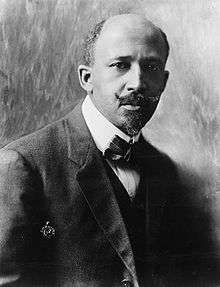
Before 1966, negro was accepted and in fact the usual endonym – consider The Negro, 1915, by W. E. B. Du Bois – which itself replaced the older colored in the 1920s, particularly under the advocacy of Du Bois (who advocated capitalization as Negro). Following the coinage and rise of Black Power and Black pride in the 1960s, particularly after 1966, the term black became preferred, and negro became offensive; in 1968 negro was still preferred by most as a self-designation, while by 1974 black was preferred; usage by publications followed.[3]
See also discussion at Wikipedia.
Related terms
Translations
- The translations below need to be checked and inserted above into the appropriate translation tables, removing any numbers. Numbers do not necessarily match those in definitions. See instructions at Wiktionary:Entry layout#Translations.
Noun
negro (plural negroes or negros)
- Alternative letter-case form of Negro
- 1867, Mayne Reid, Quadrupeds: what they are and where found (page 141)
- The negroes believe that its presence has a sanitary effect upon their cattle […]
- 1867, Mayne Reid, Quadrupeds: what they are and where found (page 141)
Synonyms
(noun):
(adjective and noun):
- black, Black
- African-American (nonstandard, US)
Hypernyms
(noun):
Hyponyms
(adjective and noun):
- Afro-American
- African-American (in the proper sense)
- negress / Negress
Derived terms
Translations
See also
References
- ↑ De Vaan, Michiel (2008) Etymological Dictionary of Latin and the other Italic Languages (Leiden Indo-European Etymological Dictionary Series; 7), Leiden, Boston: Brill
- ↑ Watkins, Calvert, ed., The American Heritage Dictionary of Indo-European Roots, 2nd ed., Houghton Mifflin Co., 2000.
- ↑ When Did the Word Negro Become Taboo? In 1966 or soon thereafter. By Brian Palmer, Slate.com, Jan. 11, 2010
Anagrams
Esperanto
Noun
negro (accusative singular negron, plural negroj, accusative plural negrojn)
- a Negro
- 1897 June, A. Kofman, “El Heine: La sklavoŝipo”, in Lingvo Internacia, volume 2, number 6-7, page 89:
- “Ses centojn da negroj mi ĉe Senegal
Akiris je prezo profita,
Malmola viando, simila al ŝton’,
La membroj — el ŝtalo forĝita.”- “600 negros at Senegal I acquired at a profitable price, hard meat, like stone, the members - from steel forged.”
- “Ses centojn da negroj mi ĉe Senegal
-
Hyponyms
Derived terms
Galician
Etymology
From Old Portuguese negro, from Latin nigrum, accusative of niger.
Pronunciation
- IPA(key): [ˈneɣɾʊ]
Adjective
negro m (feminine singular negra, masculine plural negros, feminine plural negras)
- black (colour)
See also
| Colors in Galician · cores (layout · text) | |||||
|---|---|---|---|---|---|
| branco | gris | negro | castaño, marrón | ||
| rosa | vermello ; carmín | laranxa | amarelo ; crema | ||
| verde lima | verde | menta ; verde escuro | ciano ; azul verdoso | ||
| cerúleo | azul | violeta ; anil | maxenta ; púrpura | ||
Italian
Alternative forms
Etymology
Pronunciation
- IPA(key): /ˈne.ɡro/, [ˈn̺eːɡr̺o]
- Hyphenation: né‧gro
Adjective
negro (feminine singular negra, masculine plural negri, feminine plural negre)
Noun
negro m (plural negri)
Related terms
Anagrams
Old Portuguese
Etymology
Pronunciation
- IPA(key): /ˈne.ɡɾo/
Adjective
negro m (plural negros, feminine negra, feminine plural negras)
- black
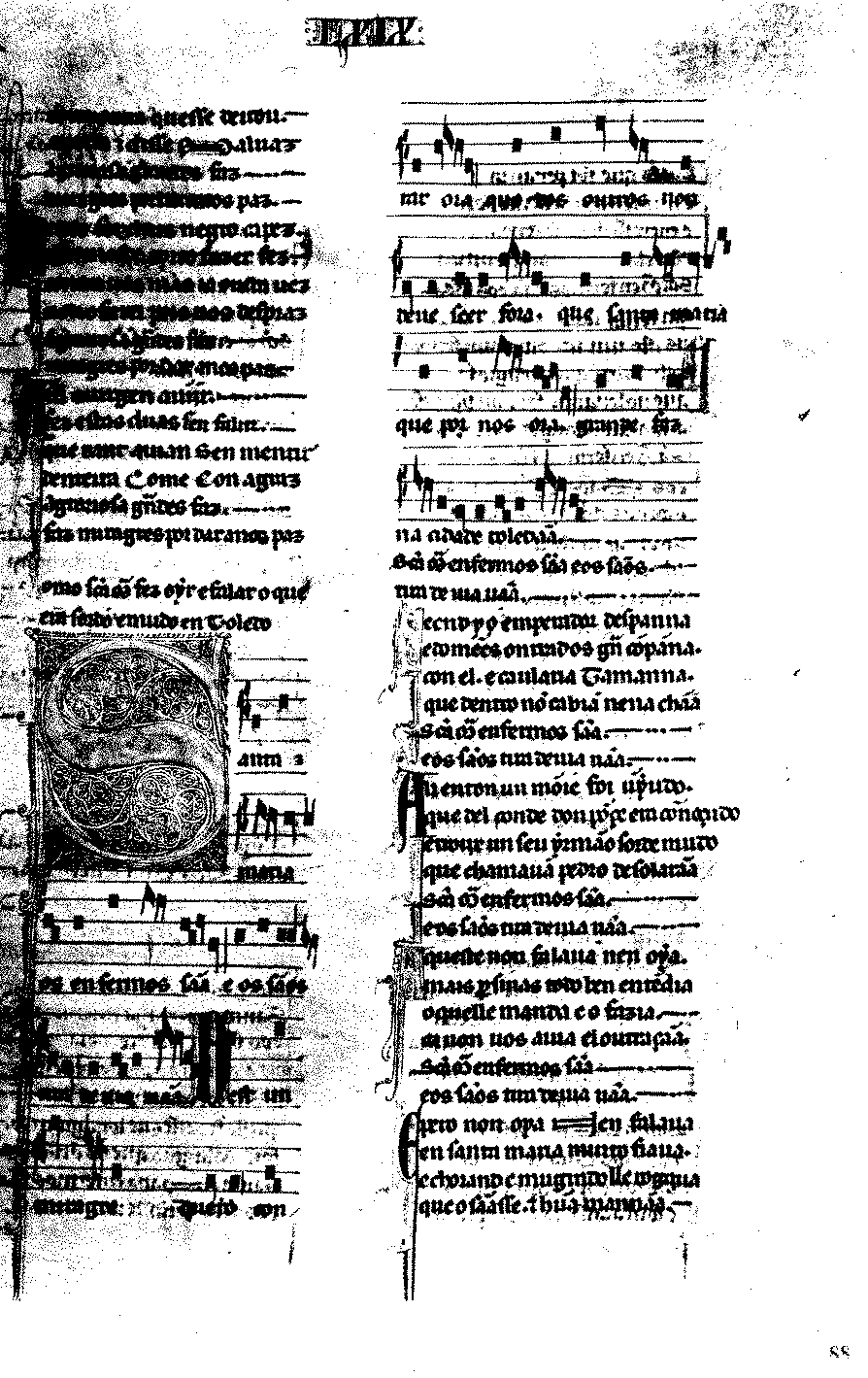
- 13th century, attributed to Alfonso X of Castile, Cantigas de Santa Maria, E codex, cantiga 68 (facsimile):
- […] chus negro ca pez.
- […] blacker than pitch.
- […] chus negro ca pez.
- 13th century, attributed to Alfonso X of Castile, Cantigas de Santa Maria, E codex, cantiga 68 (facsimile):
Synonyms
Descendants
See also
| Colors in Old Portuguese · coores, colores (layout · text) | |||||
|---|---|---|---|---|---|
| branco | gris | negro, preto | castanno | ||
| rosa | vermello | amarelo | |||
| verde | |||||
| azur | cardẽo | ||||
Portuguese
Etymology
From Old Portuguese negro, from Latin nigrum, accusative of niger.
Pronunciation
Noun
negro m (plural negros, feminine negra, feminine plural negras)
Adjective
negro m (feminine singular negra, masculine plural negros, feminine plural negras, comparable)
- black in colour
- Synonym: preto
- black; dark-skinned
- Synonym: preto (often offensive)
- (literary) dark (associated with evil)
- Cavaleiro negro.
- Dark knight.
Inflection
| singular | plural | |||
|---|---|---|---|---|
| masculine | feminine | masculine | feminine | |
| positive | negro | negra | negros | negras |
| comparative | mais negro | mais negra | mais negros | mais negras |
| superlative | o mais negro negríssimo |
a mais negra negríssima |
os mais negros negríssimos |
as mais negras negríssimas |
| augmentative | negrão | negrona | negrões | negronas |
| diminutive | negrinho | negrinha | negrinhos | negrinhas |
Derived terms
Related terms
- negritude
- nigrescente
- nigro-
Spanish
Etymology
Pronunciation
- IPA(key): /ˈneɡɾo/, [ˈneɣɾo]
- Hyphenation: ne‧gro
Noun
negro m (plural negros)
- the black colour
- the black ethnicity
- ghost writer
Adjective
negro (feminine singular negra, masculine plural negros, feminine plural negras)
Derived terms
|
|
See also
| Colors in Spanish · colores (layout · text) | |||||
|---|---|---|---|---|---|
| blanco | gris | negro | marrón | ||
| rosa | rojo ; carmín, carmesí | naranja, anaranjado | amarillo ; crema | ||
| lima | verde | cian ; azul-petróleo | |||
| azur | azul | violeta ; añil, índigo | magenta ; morado, púrpura | ||