叱
See also: 𠮟 [U+20B9F CJK UNIFIED IDEOGRAPH-20B9F]
| ||||||||
| ||||||||
Translingual
Alternative forms
Note that the right side component of this character (U+53F1) is written 𠤎 and not 匕. In Japan, as of the latest 2010 reform the correct form of the character is 𠮟 (U+20B9F) with 七 as the right side component.
Han character
叱 (radical 30 口+2, 5 strokes, cangjie input 口心 (RP), four-corner 64010, composition ⿰口𠤎)
References
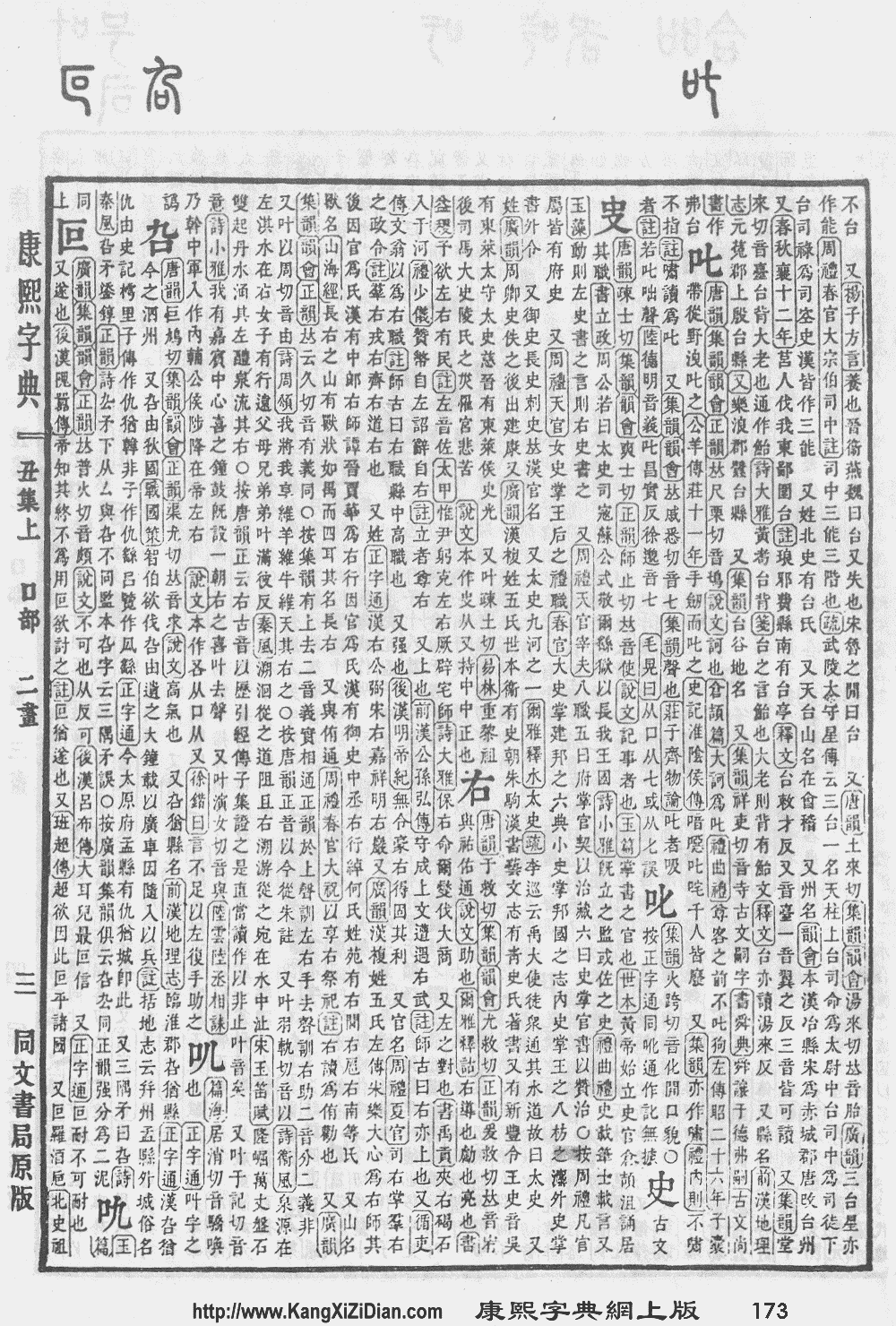
- KangXi: page 173, character 2
- Dai Kanwa Jiten: character 3248
- Dae Jaweon: page 384, character 2
- Hanyu Da Zidian: volume 1, page 572, character 6
- Unihan data for U+53F1
Chinese
| simp. and trad. |
叱 | |
|---|---|---|
| alt. forms | 咜 | |
Glyph origin
| Historical forms of the character 叱 |
|---|
| Shuowen Jiezi (compiled in Han) |
| Small seal script |
 |
| Characters in the same phonetic series (七) (Zhengzhang, 2003) | |
|---|---|
| Old Chinese | |
| 切 | *sn̥ʰiːds, *sn̥ʰiːd |
| 砌 | *sʰiːds |
| 沏 | *sʰiːd |
| 七 | *sn̥ʰid |
| 柒 | *sn̥ʰid |
| 叱 | *n̥ʰjid |
Phono-semantic compound (形聲, OC *n̥ʰjid) : semantic 口 (“mouth”) + phonetic 七 (OC *sn̥ʰid).
Pronunciation
Definitions
叱
Compounds
|
Japanese
Kanji
叱
Readings
Compounds
- 叱る (shikaru): to scold
- 叱り飛ばす (shikaritobasu): to scold away
Interjection
叱 (hiragana しっ, rōmaji shi')
Usage notes
Not included in the 2010 jōyō reform in favor of very similar 𠮟 (U+20B9F), despite 叱 having been standard in Japanese character sets.
Korean
Hanja
叱 • (jil) (hangeul 질, revised jil, McCune–Reischauer chil)
- This term needs a translation to English. Please help out and add a translation, then remove the text
{{rfdef}}.
Vietnamese
Han character
- This term needs a translation to English. Please help out and add a translation, then remove the text
{{rfdef}}.
This article is issued from
Wiktionary.
The text is licensed under Creative Commons - Attribution - Sharealike.
Additional terms may apply for the media files.