blond
English
Alternative forms
Etymology
Borrowed from Middle French blond m, from Old French blond, blont, from Frankish *blund (“a mixed color between golden and light-brown”), from Proto-Germanic *blundaz (“mixed, blinding”), from Proto-Indo-European *bʰlendʰ- (“to become turbid, see badly, go blind”). Compare Old English blondenfeax (“grey-haired”), Old English blandan (“to mix”). More at blend.
Alternative etymology connects Frankish *blund to Proto-Germanic *blundaz (“blond”), from Proto-Indo-European *bʰl̥ndʰ-, *bʰlendʰ- (“blond, red-haired”). If so, then it would be cognate with Sanskrit ब्रध्न (bradhná, “ruddy, pale red, yellowish”).
Pronunciation
- (Received Pronunciation) IPA(key): /blɒnd/
- (General American) IPA(key): /blɑnd/
- Rhymes: -ɒnd
Noun
blond (plural blonds)
- A pale yellowish (golden brown) color, especially said of hair color.
- blond colour:
- A person with this hair color.
Usage notes
- This word can vary according to gender, with “blond” being used of males and “blonde” of females, following French usage. However, some writers, especially in the United States, treat the spellings as interchangeable and use both gender-neutrally.
- Traditional terms for light hair are fair(-haired), fairheaded, flaxen, tow-haired, yellow-haired, and towhead(ed).
Translations
|
|
Adjective
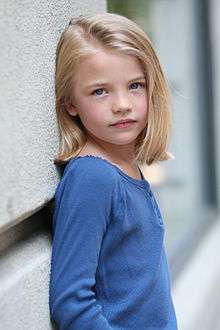
blond (comparative blonder or more blond, superlative blondest or most blond)
- Of a bleached or pale golden (light yellowish) colour.
- blond hair
- blonde ale; blonde beer
- 1914, in the American Anthropologist:
- She has a blond complexion, with brown hair and gray eyes.
- 2011 Feb, “Beauty Confessions”, in Redbook, volume 216, number 2, page 60:
- If you're going one or two shades lighter, don't even touch your brows. But if you're making a big change, soften them by tinting them with home haircolor: a lighter shade of brown for blonder shades, a golden shade if you're dyeing your hair red.
- (of a person) Having blond hair.
- 1956, James Baldwin, Giovanni’s Room, Penguin, 2001, Part Two, Chapter 2,
- He seemed—somehow—younger than I had ever been, and blonder and more beautiful, and he wore his masculinity as unequivocally as he wore his skin.
- 1956, James Baldwin, Giovanni’s Room, Penguin, 2001, Part Two, Chapter 2,
- (of a female) Alternative spelling of blonde (stupid)
- 2010, Mariah Stewart, Moon Dance, Simon and Schuster →ISBN
- “She was so blond, that where it said 'sign here,' she wrote Gemini.” He had given her only the weakest of smiles.
- 2002, Michael Jay, The Altherian Code, iUniverse →ISBN, page 118
- Katelyn's laugh was nearly uncontrollable. “You are so blond sometimes,” she said with a long laughing sigh, but then calmed herself down.
- 2010, Mariah Stewart, Moon Dance, Simon and Schuster →ISBN
Translations
|
|
|
|
- The translations below need to be checked and inserted above into the appropriate translation tables, removing any numbers. Numbers do not necessarily match those in definitions. See instructions at Wiktionary:Entry layout#Translations.
Derived terms
|
|
|
See also
Verb
blond (third-person singular simple present blonds, present participle blonding, simple past and past participle blonded)
- To color or dye blond
Central Franconian
Pronunciation
- IPA(key): /blɔnt/
Etymology 1
From Old High German blind, northern variant of blint.
Alternative forms
Adjective
blond (masculine blonne, feminine blonn, comparative blonner, superlative et blondste)
- (Eifel) blind; unable to see
Etymology 2
From French blond, probably via German.
Adjective
blond (masculine blonde, feminine blond, comparative blonder, superlative et blondste)
Dutch
Pronunciation
audio (file)
Adjective
blond (comparative blonder, superlative blondst)
- of light colour (usually said about light hair colour, but it can also refer to beer)
Inflection
| Inflection of blond | ||||
|---|---|---|---|---|
| uninflected | blond | |||
| inflected | blonde | |||
| comparative | blonder | |||
| positive | comparative | superlative | ||
| predicative/adverbial | blond | blonder | het blondst het blondste | |
| indefinite | m./f. sing. | blonde | blondere | blondste |
| n. sing. | blond | blonder | blondste | |
| plural | blonde | blondere | blondste | |
| definite | blonde | blondere | blondste | |
| partitive | blonds | blonders | — | |
French
Etymology
Of Germanic origin: probably from Frankish *blund (“a mixed color between golden and light-brown”), from Proto-Germanic *blundaz (“mixed, blinding”). Compare Italian biondo, Occitan blon.
Pronunciation
- IPA(key): /blɔ̃/
Audio (file)
Adjective
blond (feminine singular blonde, masculine plural blonds, feminine plural blondes)
- pale golden-brown in colour, usually said of hair
- (informal) naïve
Noun
blond m (plural blonds, feminine blonde)
- the colour blond; a golden-brown
- someone with blond hair
Further reading
- “blond” in le Trésor de la langue française informatisé (The Digitized Treasury of the French Language).
German
Etymology
From modern French blond, from Frankish *blund, from Proto-Germanic *blundaz, ultimately from Proto-Indo-European *bʰlendʰ-. The earlier borrowing Middle High German blunt was rare and had no continuation in early modern German.
Pronunciation
- IPA(key): /blɔnt/
Adjective
blond (comparative blonder, superlative am blondesten)
- blond; fair
- Blonde Haare sind vor allem bei den Völkern germanischer und slawischer Abstammung verbreitet.
- Blond hair is primarily common among the peoples of Germanic and Slavic descent.
- (of beer) bright; not brown or yeasty
- (colloquial, possibly offensive) stupid; naive
- Das war so blond von mir!
- That was so stupid of me!
Declension
| number & gender | singular | plural | |||
|---|---|---|---|---|---|
| masculine | feminine | neuter | all genders | ||
| predicative | er ist blond | sie ist blond | es ist blond | sie sind blond | |
| strong declension (without article) |
nominative | blonder | blonde | blondes | blonde |
| genitive | blonden | blonder | blonden | blonder | |
| dative | blondem | blonder | blondem | blonden | |
| accusative | blonden | blonde | blondes | blonde | |
| weak declension (with definite article) |
nominative | der blonde | die blonde | das blonde | die blonden |
| genitive | des blonden | der blonden | des blonden | der blonden | |
| dative | dem blonden | der blonden | dem blonden | den blonden | |
| accusative | den blonden | die blonde | das blonde | die blonden | |
| mixed declension (with indefinite article) |
nominative | ein blonder | eine blonde | ein blondes | (keine) blonden |
| genitive | eines blonden | einer blonden | eines blonden | (keiner) blonden | |
| dative | einem blonden | einer blonden | einem blonden | (keinen) blonden | |
| accusative | einen blonden | eine blonde | ein blondes | (keine) blonden | |
| number & gender | singular | plural | |||
|---|---|---|---|---|---|
| masculine | feminine | neuter | all genders | ||
| predicative | er ist blonder | sie ist blonder | es ist blonder | sie sind blonder | |
| strong declension (without article) |
nominative | blonderer | blondere | blonderes | blondere |
| genitive | blonderen | blonderer | blonderen | blonderer | |
| dative | blonderem | blonderer | blonderem | blonderen | |
| accusative | blonderen | blondere | blonderes | blondere | |
| weak declension (with definite article) |
nominative | der blondere | die blondere | das blondere | die blonderen |
| genitive | des blonderen | der blonderen | des blonderen | der blonderen | |
| dative | dem blonderen | der blonderen | dem blonderen | den blonderen | |
| accusative | den blonderen | die blondere | das blondere | die blonderen | |
| mixed declension (with indefinite article) |
nominative | ein blonderer | eine blondere | ein blonderes | (keine) blonderen |
| genitive | eines blonderen | einer blonderen | eines blonderen | (keiner) blonderen | |
| dative | einem blonderen | einer blonderen | einem blonderen | (keinen) blonderen | |
| accusative | einen blonderen | eine blondere | ein blonderes | (keine) blonderen | |
| number & gender | singular | plural | |||
|---|---|---|---|---|---|
| masculine | feminine | neuter | all genders | ||
| predicative | er ist am blondesten | sie ist am blondesten | es ist am blondesten | sie sind am blondesten | |
| strong declension (without article) |
nominative | blondester | blondeste | blondestes | blondeste |
| genitive | blondesten | blondester | blondesten | blondester | |
| dative | blondestem | blondester | blondestem | blondesten | |
| accusative | blondesten | blondeste | blondestes | blondeste | |
| weak declension (with definite article) |
nominative | der blondeste | die blondeste | das blondeste | die blondesten |
| genitive | des blondesten | der blondesten | des blondesten | der blondesten | |
| dative | dem blondesten | der blondesten | dem blondesten | den blondesten | |
| accusative | den blondesten | die blondeste | das blondeste | die blondesten | |
| mixed declension (with indefinite article) |
nominative | ein blondester | eine blondeste | ein blondestes | (keine) blondesten |
| genitive | eines blondesten | einer blondesten | eines blondesten | (keiner) blondesten | |
| dative | einem blondesten | einer blondesten | einem blondesten | (keinen) blondesten | |
| accusative | einen blondesten | eine blondeste | ein blondestes | (keine) blondesten | |
Synonyms
Related terms
Further reading
- blond in Duden online
Romanian
Etymology
Pronunciation
- IPA(key): /blond/
Adjective
blond m, n (feminine singular blondă, masculine plural blonzi, feminine and neuter plural blonde)
Declension
Synonyms
Swedish
Pronunciation
audio (file)
Adjective
blond
Declension
| Inflection of blond | |||
|---|---|---|---|
| Indefinite | Positive | Comparative | Superlative2 |
| Common singular | blond | blondare | blondast |
| Neuter singular | blont | blondare | blondast |
| Plural | blonda | blondare | blondast |
| Definite | Positive | Comparative | Superlative |
| Masculine singular1 | blonde | blondare | blondaste |
| All | blonda | blondare | blondaste |
| 1) Only used, optionally, to refer to things whose natural gender is masculine. 2) The indefinite superlative forms are only used in the predicative. | |||