蒔
See also: 莳
| ||||||||
Translingual
Han character
蒔 (radical 140 艸+10, 16 strokes, cangjie input 廿日土戈 (TAGI), four-corner 44641, composition ⿱艹時)
References
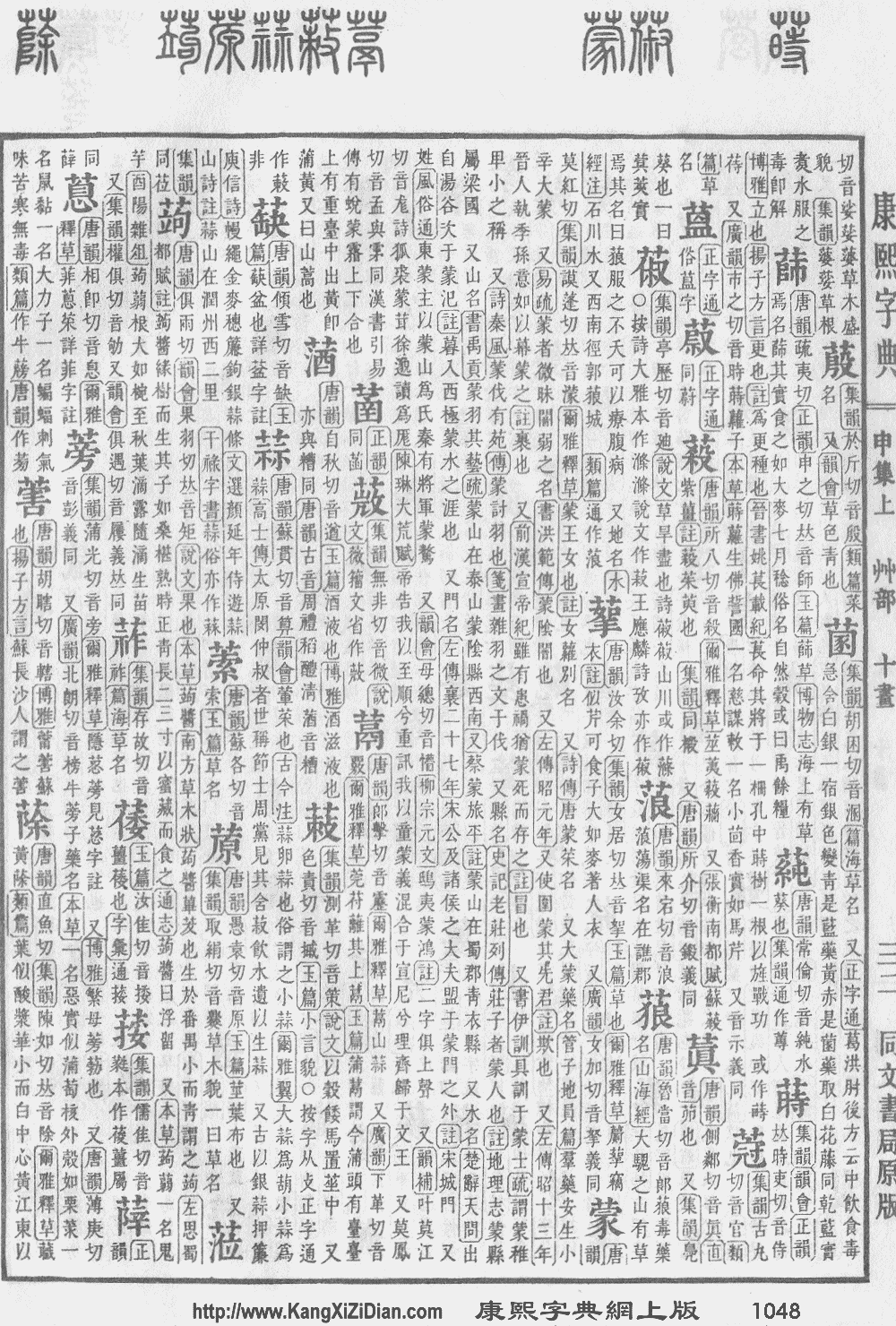
- KangXi: page 1048, character 5
- Dai Kanwa Jiten: character 31546
- Dae Jaweon: page 1509, character 13
- Hanyu Da Zidian: volume 5, page 3263, character 9
- Unihan data for U+8494
Chinese
| trad. | 蒔 | |
|---|---|---|
| simp. | 莳 | |
Glyph origin
| Characters in the same phonetic series (寺) (Zhengzhang, 2003) | |
|---|---|
| Old Chinese | |
| 等 | *tɯːʔ, *tɯːŋʔ |
| 待 | *dɯːʔ |
| 寺 | *ljɯs |
| 持 | *l'ɯ |
| 峙 | *dɯʔ |
| 痔 | *dɯʔ |
| 跱 | *dɯʔ |
| 歭 | *dɯʔ |
| 洔 | *dɯʔ, *tjɯʔ |
| 畤 | *dɯʔ, *tjɯʔ, *djɯʔ |
| 秲 | *dɯʔ, *djɯs |
| 庤 | *dɯʔ |
| 時 | *djɯ |
| 鰣 | *djɯ |
| 塒 | *djɯ |
| 蒔 | *djɯ, *djɯs |
| 榯 | *djɯ |
| 恃 | *djɯʔ |
| 侍 | *djɯs |
| 詩 | *hljɯ |
| 邿 | *hljɯ |
| 特 | *dɯːɡ |
Phono-semantic compound (形聲, OC *djɯ, *djɯs) : semantic 艹 (“grass, plant”) + phonetic 時 (OC *djɯ).
Etymology 1
Pronunciation
Definitions
蒔
- to transplant (to uproot and replant in a different location)
- to plant
- to set up
Compounds
|
|
|
Etymology 2
Pronunciation
Definitions
蒔
Japanese
Kanji
蒔
(“Jinmeiyō” kanji used for names)
- This term needs a translation to English. Please help out and add a translation, then remove the text
{{rfdef}}.
Readings
Korean
Hanja
蒔 • (si) (hangeul 시, revised si, McCune–Reischauer si, Yale si) 모종 낼 시 (from 모종 내다 = plant seedling)
- This term needs a translation to English. Please help out and add a translation, then remove the text
{{rfdef}}.
This article is issued from
Wiktionary.
The text is licensed under Creative Commons - Attribution - Sharealike.
Additional terms may apply for the media files.