腸
| ||||||||
Translingual
Han character
腸 (radical 130, 肉+9, 13 strokes, cangjie input 月日一竹 (BAMH), four-corner 76227, composition ⿰月昜(GJK) or ⿰⺼昜(HTV))
Derived characters
- 𦼳, 𬛡
Descendants
- 肠 (in simplified Chinese)
References
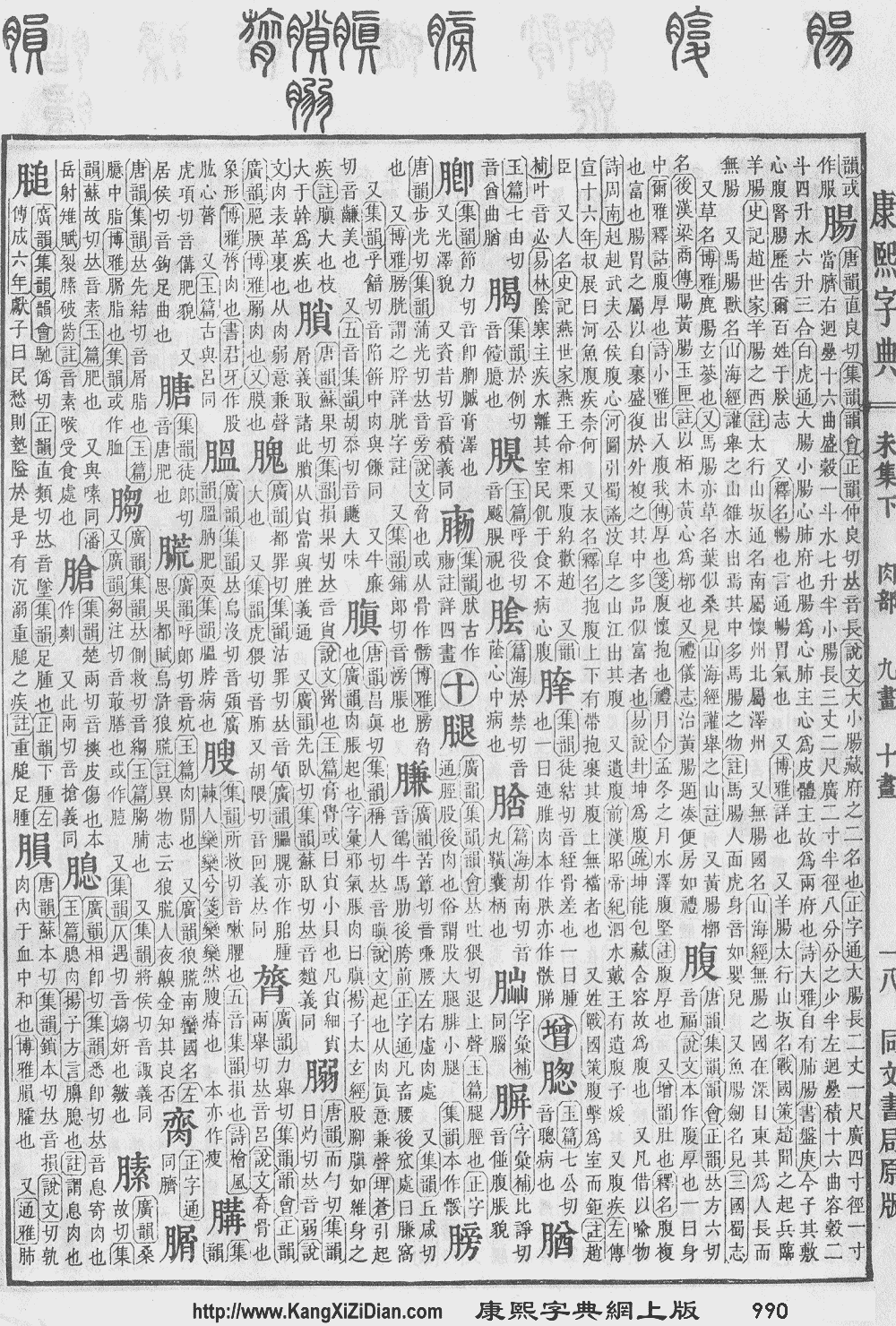
- KangXi: page 990, character 1
- Dai Kanwa Jiten: character 29721
- Dae Jaweon: page 1442, character 7
- Hanyu Da Zidian: volume 3, page 2095, character 9
- Unihan data for U+8178
Chinese
| trad. | 腸 | |
|---|---|---|
| simp. | 肠 | |
Glyph origin
| Characters in the same phonetic series (昜) (Zhengzhang, 2003) | |
|---|---|
| Old Chinese | |
| 湯 | *l̥ʰaːŋ, *l̥ʰaːŋs, *hljaŋ |
| 踼 | *l̥ʰaːŋ, *l̥ʰaːŋʔ, *l'aːŋ, *l'aːŋs |
| 蝪 | *l̥ʰaːŋ |
| 薚 | *l̥ʰaːŋ |
| 簜 | *l̥ʰaːŋ, *l'aːŋʔ |
| 盪 | *l̥ʰaːŋ, *l̥ʰaːŋs, *l'aːŋʔ |
| 偒 | *l̥ʰaːŋʔ |
| 蕩 | *l̥ʰaːŋs, *l'aːŋʔ |
| 燙 | *l̥ʰaːŋs |
| 啺 | *l'aːŋ |
| 碭 | *l'aːŋ, *l'aːŋs |
| 婸 | *l'aːŋʔ |
| 愓 | *l'aːŋʔ |
| 璗 | *l'aːŋʔ |
| 崵 | *l'aːŋʔ, *laŋ |
| 逿 | *l'aːŋs |
| 暢 | *l̥ʰaŋs |
| 畼 | *l̥ʰaŋs |
| 腸 | *l'aŋ |
| 場 | *l'aŋ |
| 傷 | *hljaŋ, *hljaŋs |
| 殤 | *hljaŋ |
| 觴 | *hljaŋ |
| 慯 | *hljaŋ, *hljaŋs |
| 禓 | *hljaŋ, *laŋ |
| 塲 | *hljaŋ |
| 陽 | *laŋ |
| 楊 | *laŋ |
| 揚 | *laŋ |
| 瘍 | *laŋ |
| 煬 | *laŋ, *laŋs |
| 鍚 | *laŋ |
| 暘 | *laŋ |
| 颺 | *laŋ, *laŋs |
| 昜 | *laŋ |
| 輰 | *laŋ |
| 敭 | *laŋ |
| 鰑 | *laŋ |
| 諹 | *laŋ, *laŋs |
| 瑒 | *laŋ, *rlaːŋʔ |
| 鸉 | *laŋ |
| 餳 | *ljaːŋ |
Phono-semantic compound (形聲, OC *l'aŋ) : semantic 肉 (“body”) + phonetic 昜 (OC *laŋ).
Pronunciation
Definitions
腸
Compounds
Derived terms from 腸
|
|
|
Japanese
Kanji
腸
Readings
Compounds
Etymology 1
| Kanji in this term |
|---|
| 腸 |
| わた Grade: 4 |
| kun’yomi |
Pronunciation
Noun
- (anatomy) the intestines
Derived terms
- 腸 (harawata)
Etymology 2
| Kanji in this term |
|---|
| 腸 |
| はらわた Grade: 4 |
| kun’yomi |
- [parawata] → [ɸarawata] → [harawata]. Compound of 腹 (hara, “stomach”) + 腸 (wata, “intestines”).
Pronunciation
Noun
腸 (hiragana はらわた, rōmaji harawata)
- (anatomy) the large intestines
- 794, Shin'yaku Kegonkyō Ongi Shiki
- 脯 趺武友 乾肉薄折之曰脯也 大小腸 波良汙多
- 931–938, Wamyō Ruijushō:
- 大腸 中黄子云 大腸 音長 波良和太 [...] 爲傳送之府 [...] 膽者中正之官 脾胃者倉稟之官 大腸者傳道之官 小腸者受盛之官 [...]
- 794, Shin'yaku Kegonkyō Ongi Shiki
- (anatomy) intestines
Etymology 3
| Kanji in this term |
|---|
| 腸 |
| ちょう Grade: 4 |
| on’yomi |
/tyau/ → /tyoː/.
Pronunciation
Noun
腸 (hiragana ちょう, rōmaji chō, historical hiragana ちやう)
- (anatomy) the intestines; the bowels
- 1993 December 15 [Mar 25 1990], Sasaki, Noriko, 動物のお医者さん [The Veterinarian], volume 3 (fiction, in Japanese), 36th edition, Tokyo: Hakusensha, →ISBN, page 19:
- 年頃の女性が自分の腸なんか見ていていいのだろうか
- Toshigoro no josei ga jibun no chō nanka miteite ii no darō ka
- Is it okay for a woman of marriage age to look at her own guts?
- 年頃の女性が自分の腸なんか見ていていいのだろうか
-
References
- Takeuchi, Rizō (1962) Nara Ibun: Volume 3 (in Japanese), Tōkyō: Tōkyōdō Shuppan, →ISBN.
- Minamoto, Shitagō; Kyōto Daigaku Bungakubu Kokugogaku Kokubungaku Kenkyūshitu (931–938) Shohon Shūsei Wamyō Ruijushō: Honbunhen (in Japanese), Kyōto: Rinsen, published 1968, →ISBN.
Korean
Hanja
腸 • (jang) (hangeul 장, McCune–Reischauer chang, Yale cang)
Vietnamese
Han character
腸 (tràng, trường, trướng)
- This term needs a translation to English. Please help out and add a translation, then remove the text
{{rfdef}}.
This article is issued from
Wiktionary.
The text is licensed under Creative Commons - Attribution - Sharealike.
Additional terms may apply for the media files.