休
| ||||||||
Translingual
| Stroke order | |||
|---|---|---|---|
 | |||
Han character
休 (radical 9, 人+4, 6 strokes, cangjie input 人木 (OD), four-corner 24290, composition ⿰亻木)
References
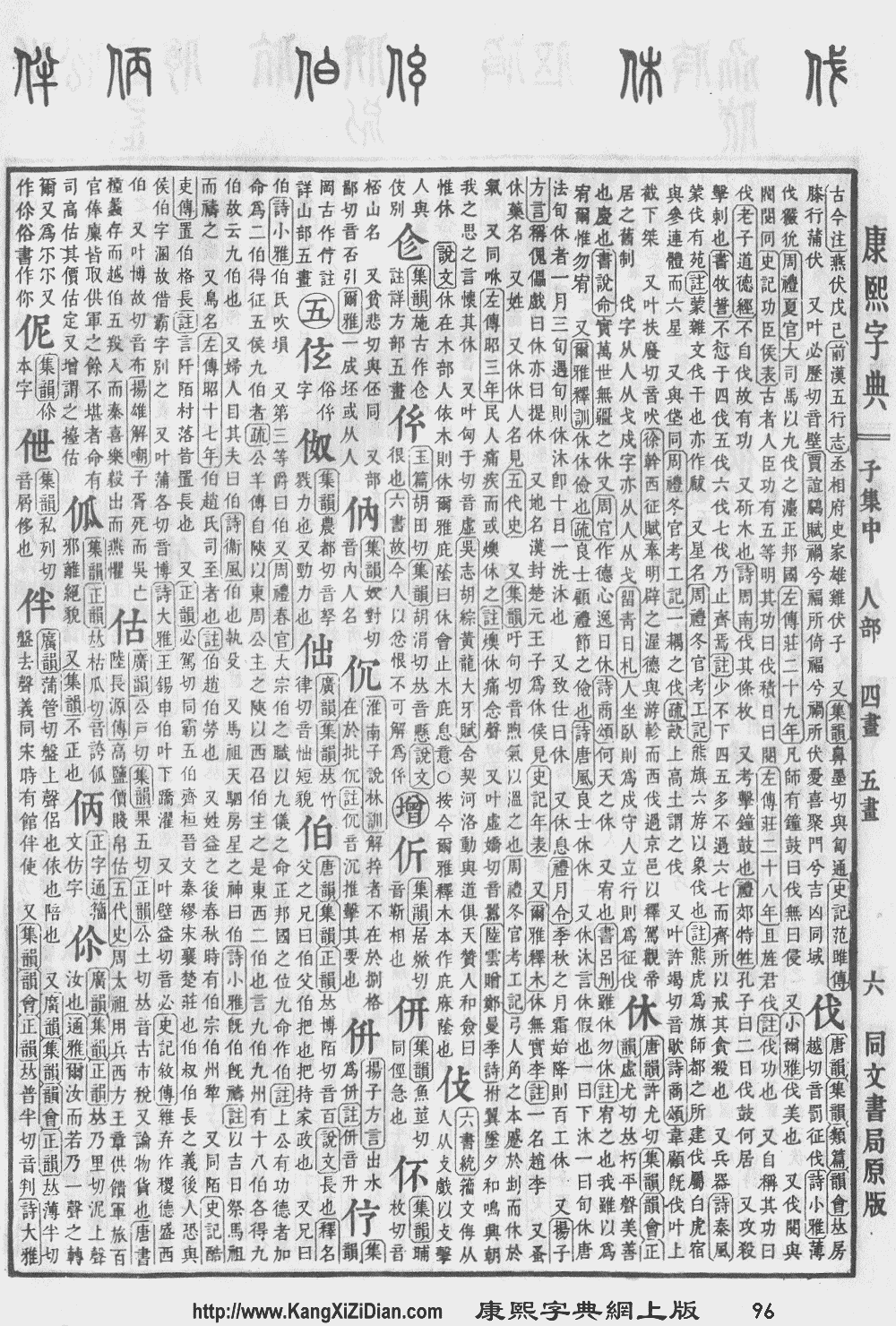
- KangXi: page 96, character 2
- Dai Kanwa Jiten: character 440
- Dae Jaweon: page 203, character 2
- Hanyu Da Zidian: volume 1, page 117, character 18
- Unihan data for U+4F11
Chinese
| simp. and trad. |
休 | |
|---|---|---|
Glyph origin
| Historical forms of the character 休 | |||||||||||||||||||||||||||||||||||||||||||||||||||||||||||||||||||||||||||||||||
|---|---|---|---|---|---|---|---|---|---|---|---|---|---|---|---|---|---|---|---|---|---|---|---|---|---|---|---|---|---|---|---|---|---|---|---|---|---|---|---|---|---|---|---|---|---|---|---|---|---|---|---|---|---|---|---|---|---|---|---|---|---|---|---|---|---|---|---|---|---|---|---|---|---|---|---|---|---|---|---|---|---|
| Shang | Western Zhou | Shuowen Jiezi (compiled in Han) | Liushutong (compiled in Ming) | ||||||||||||||||||||||||||||||||||||||||||||||||||||||||||||||||||||||||||||||
| Oracle bone script | Bronze inscriptions | Small seal script | Transcribed ancient scripts | ||||||||||||||||||||||||||||||||||||||||||||||||||||||||||||||||||||||||||||||
 |
 |
 |
 | ||||||||||||||||||||||||||||||||||||||||||||||||||||||||||||||||||||||||||||||
|||
|
References: Mostly from Richard Sears' Chinese Etymology site (authorisation),
| |||||||||||||||||||||||||||||||||||||||||||||||||||||||||||||||||||||||||||||||||


| Characters in the same phonetic series (休) (Zhengzhang, 2003) | |
|---|---|
| Old Chinese | |
| 茠 | *qʰuː |
| 烋 | *qʰruː, *qʰru |
| 恘 | *kʰu |
| 休 | *qʰu |
| 貅 | *qʰu |
| 咻 | *qʰu, *qʰoʔ |
| 庥 | *qʰu |
| 鵂 | *qʰu |
| 髤 | *qʰu |
| 髹 | *qʰu |
Ideogrammic compound (會意) : 人 (“man”) + 木 (“tree”) – a man leaning against a tree, resting.
Pronunciation
Definitions
休
Compounds
|
|
Japanese
Noun
Kanji
Readings
Compounds
- 休意 (kyūi): peace, tranquility
- 休演 (kyūen): suspending performance
- 休暇 (kyūka): holiday, day off
- 休火山 (kyūkazan): dormant volcano
- 休会 (kyūkai): adjournment, recess
- 休学 (kyūgaku): suspension of studies
- 休刊 (kyūkan): suspension of publication
- 休閑 (kyūkan): fallowing
- 休館 (kyūkan): library or museum closure
- 休漁 (kyūryō): suspension of fishing
- 休業 (kyūgyō): business closure
- 休憩 (kyūkei): rest
- 休校 (kyūkō): school closure
- 休耕 (kyūkō): lying fallow
- 休航 (kyūkō): suspension of sailing
- 休講 (kyūkō): canceled lecture
- 休載 (kyūsai): suspension of publication
- 休止 (kyūshi): pause
- 休祥 (kyūshō): good omen
- 休場 (kyūjō): theater closure, stage absence
- 休職 (kyūshoku): suspension from office
- 休心 (kyūshin): rest assured
- 休診 (kyūshin): temporary closing of doctor's office
- 休錘 (kyūsui): suspension of fabric factory operations
- 休戚 (kyūseki): joy and sorrow
- 休戦 (kyūsen): truce, armistice
- 休息 (kyūsoku): rest, relaxation
- 足休 (ashiyasume): resting feet
- 休怠 (kyūtai): laziness
- 休廷 (kyūtei): court recess
- 休転 (kyūten): suspension of operations
- 休電 (kyūden): electricity outage
- 休日 (kyūjitsu): holiday, day off
- 休泊所 (kyūhakujo): resting place
- 休符 (kyūfu): rest (in music)
- 休眠 (kyūmin): idle
- 休養 (kyūyō): rest
- 運休 (unkyū)
Related terms
Korean
Hanja
休 • (hyu)
- This term needs a translation to English. Please help out and add a translation, then remove the text
{{rfdef}}.
Vietnamese
Han character
- This term needs a translation to English. Please help out and add a translation, then remove the text
{{rfdef}}.