sir
English
Etymology
From Middle English sir, borrowed from Old French sire (“master, sir, lord”), from Latin senior (“older, elder”), from senex (“old”). Compare sire, signor, seignior, señor.
Pronunciation
- (Received Pronunciation) IPA(key): /ˈsɜː(ɹ)/
- (General American) enPR: ˈsûr, IPA(key): /ˈsɝ/
Audio (US) (file)
- (Scotland) IPA(key): /ˈsɪɹ/
- (Indian English) IPA(key): /ˈsə(r)/
- Rhymes: -ɜː(ɹ)
Noun
sir (plural sirs)
- A man of a higher rank or position.
- A respectful term of address to a man of higher rank or position, particularly:
- 1991 May 12, "Kidnapped!" Jeeves and Wooster, Series 2, Episode 5:
- Jeeves: Foreign travel often liberates emotions best kept in check, sir. The air of North America is notoriously stimulating in this regard, as witness the regrettable behavior of its inhabitants in 1776.
B. Wooster: Hm? What happened in 1776, Jeeves?
Jeeves: I prefer not to dwell on it, if it's convenient to you, sir.
- Jeeves: Foreign travel often liberates emotions best kept in check, sir. The air of North America is notoriously stimulating in this regard, as witness the regrettable behavior of its inhabitants in 1776.
- 1991 May 12, "Kidnapped!" Jeeves and Wooster, Series 2, Episode 5:
- A respectful term of address to any male, especially if his name or proper title is unknown.
- Excuse me, sir, do you know the wifi password here?
- (colloquial) Used as an intensifier after yes or no.
- Sir, yes sir.
Coordinate terms
Derived terms
Related terms
Translations
man of a higher rank or position
address to a military superior
|
address to any male, especially if his name or proper address is unknown
|
|
- The translations below need to be checked and inserted above into the appropriate translation tables, removing any numbers. Numbers do not necessarily match those in definitions. See instructions at Wiktionary:Entry layout#Translations.
Verb
sir (third-person singular simple present sirs, present participle sirring, simple past and past participle sirred)
- To address (someone) using "sir".
- Sir, yes, sir!
Don't you sir me, private! I work for a living!
Coordinate terms
See also
Further reading
Anagrams
Scottish Gaelic
Verb
sir (past shir, future siridh, verbal noun sireadh, past participle sirte)
Synonyms
Serbo-Croatian
Etymology
From Proto-Slavic *syrъ, derived from "sour milk"
Pronunciation
- IPA(key): /sîr/
Noun
sȉr m (Cyrillic spelling си̏р)
Declension
Derived terms
Slovene
Etymology
From Proto-Slavic *syrъ, derived from "sour milk"
Pronunciation
- IPA(key): /ˈsír/
- Tonal orthography: sȉr
Noun
sìr m inan (genitive síra, nominative plural síri)
Declension
Declension of sìr (masculine inan., hard o-stem)
Uzbek
Noun
sir (plural sirlar)
Welsh
Etymology
Noun
sir f (plural siroedd)
Zay
Etymology
Cognate to Silt'e [script needed] (sa:r).
Noun
sir
Zazaki
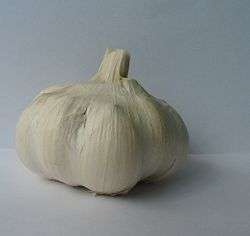
garlic
Etymology
Noun
sir m
References
- Initial SLLE Survey of the Zway Area by Klaus Wedekind and Charlotte Wedekind
This article is issued from
Wiktionary.
The text is licensed under Creative Commons - Attribution - Sharealike.
Additional terms may apply for the media files.