agua
Asturian
Etymology
From Latin aqua, from Proto-Indo-European *h₂ekʷeh₂.
Noun
agua f (plural agües)
Related terms
- acuariu
- acuáticu
- acuosu
- agüeru
Catalan
Verb
agua
- third-person singular present indicative form of aguar
- second-person singular imperative form of aguar
Chamorro
Etymology
Noun
agua
References
- Greenhill, S.J., Blust. R, & Gray, R.D. (2008). The Austronesian Basic Vocabulary Database: From Bioinformatics to Lexomics. Evolutionary Bioinformatics, 4:271-283.
Chavacano
Etymology
Borrowed from Spanish agua, from Old Spanish agua, from Latin aqua (compare Catalan aigua, French eau, Galician auga, Italian acqua, Occitan aiga, Portuguese água, Romanian apă, Sardinian abba), from Proto-Italic *akʷā, from Proto-Indo-European *h₂ekʷeh₂. See English ea.
Noun
agua
References
Fala
Etymology
From Old Portuguese agua, from Latin aqua.
Noun
agua
References
- Apuntes socio-históricos y lingüísticos sobre a Fala do Val de Xalima
Galician
Pronunciation
- IPA(key): /ˈa.ɡwa/, [ˈa.ɣwa]
Noun
agua f (uncountable)
- (proscribed) Alternative form of auga
Ladino
Etymology
From Old Spanish agua, from Latin aqua, from Proto-Indo-European *h₂ekʷeh₂.
Noun
agua f (Latin spelling, Hebrew spelling אגווה)
Old Portuguese
Alternative forms
Etymology
From Latin aqua (“water”), from Proto-Italic *akʷā (“water”), from Proto-Indo-European *h₂ekʷeh₂ (“water”).
Pronunciation
- IPA(key): /ˈa.ɡwa/
Noun
agua f
- water
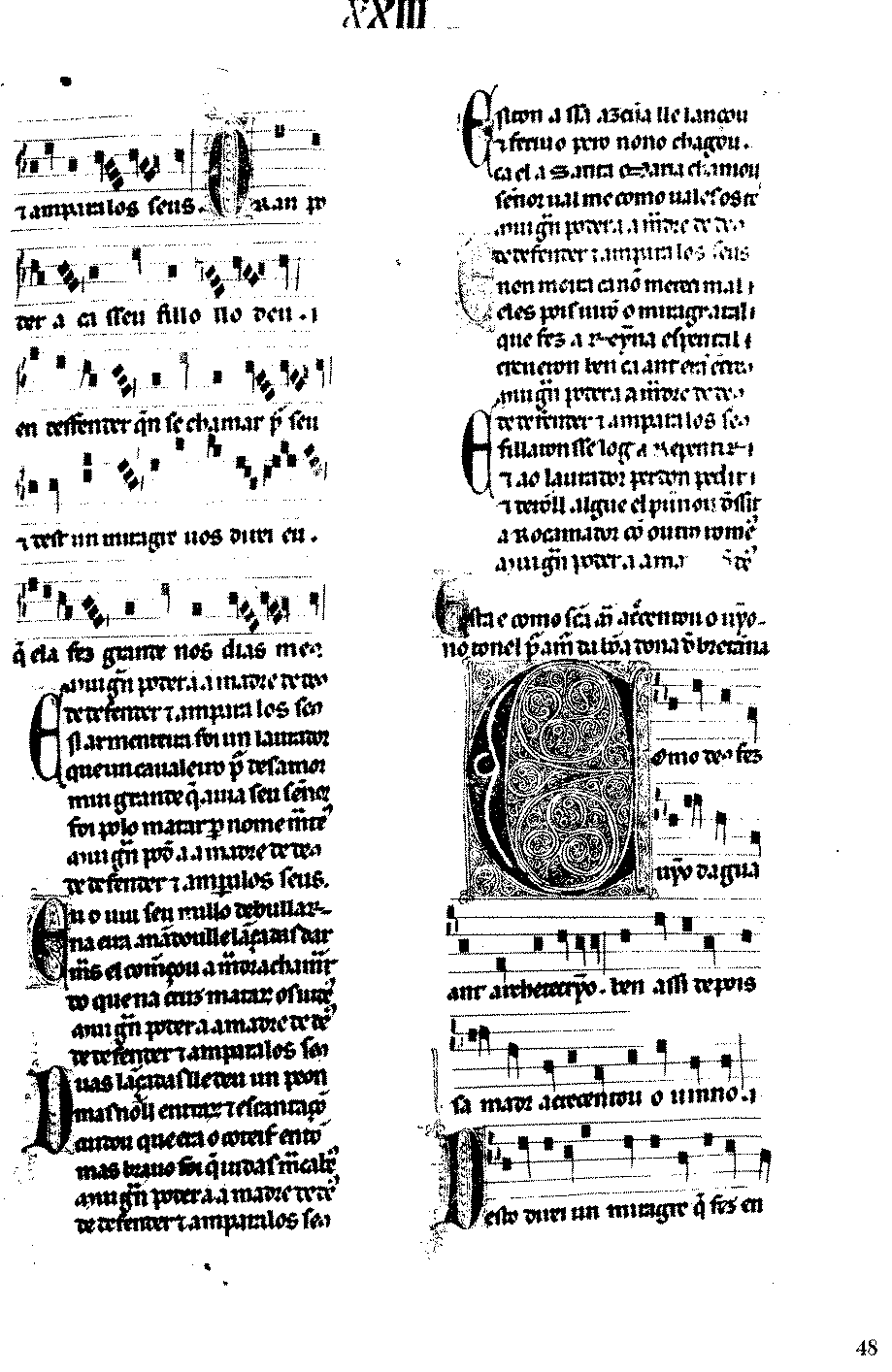
- 13th century, attributed to Alfonso X of Castile, Cantigas de Santa Maria, E codex, cantiga 23 (facsimile):
- Como deꝯ fez uỹo dagua […]
- Just as God turned water into wine […]
- 13th century, attributed to Alfonso X of Castile, Cantigas de Santa Maria, E codex, cantiga 23 (facsimile):
Descendants
Old Spanish
Etymology
From Latin aqua, from Proto-Indo-European *h₂ekʷeh₂ (“water”).
Pronunciation
- IPA(key): [ˈa.ɣwa]
Noun
agua f (plural aguas)
- water
- c. 1200, Almeric, Fazienda de Ultramar, f. 5v. b.
- Vino ioſep aſos ermanos. e priſierõ le & deſpoiarõle el palio. e echarōle en el pozo. & este pozo era bazio e no yauia agua.
- Joseph came to this brothers; they imprisoned him and unclothed him and threw him into the well, and this well was empty and had no water.
- Idem, f. 13v. b.
- Tornarõ ſe todas las aguas ẽ ſãgre.
- And all of the waters turned into blood.
- c. 1200, Almeric, Fazienda de Ultramar, f. 5v. b.
Descendants
Palenquero
Noun
agua
References
- Manuel Diaz-Campos, The Handbook of Hispanic Sociolinguistics (2011, →ISBN)
Portuguese
Noun
agua f (plural aguas)
- Obsolete spelling of água
Sinacantán
Noun
agua
References
- Vocabularios de la lengua xinca de Sinacantan (1868, D. Juan Gavarrete)
Spanish
Pronunciation
- IPA(key): /ˈaɡwa/, [ˈaɣwa]
Audio (Latin America) (file)
Etymology 1
From Old Spanish agua, from Latin aqua (compare Catalan aigua, French eau, Galician auga, Italian acqua, Occitan aiga, Portuguese água, Romanian apă, Sardinian abba), from Proto-Italic *akʷā, from Proto-Indo-European *h₂ekʷeh₂. See English ea.
Noun
agua f (plural aguas)
- water
- Quiere un vaso de agua fresca. ― He wants a glass of cold water.
- body of water
- Synonym: cuerpo de agua
- rain
- (archaic) river, stream
- (slang, in the plural) urine
- Synonym: orina
- (Guatemala) pop, soda (soft drink)
- (Latin America) infusion
Usage notes
- The feminine noun agua is like other feminine nouns starting with a stressed a sound in that it takes the definite article el (normally reserved for masculine nouns) in the singular when there is no intervening adjective:
- In Guatemala, since agua prototypically refers to a soft drink, the phrase agua pura is used to refer to water.
Derived terms
|
|
|
Related terms
Descendants
Etymology 2
See etymology on the main entry.
Verb
agua
Further reading
- “agua” in Diccionario de la lengua española, Vigésima tercera edición, Real Academia Española, 2014.
Swahili
Verb
-agua (infinitive kuagua)
Conjugation
| Conjugation of -agua | ||||||||||||||||||||||||||||||||||||||||||||||||||||||||||||||||||||||||||||||||||||||||||||||
|---|---|---|---|---|---|---|---|---|---|---|---|---|---|---|---|---|---|---|---|---|---|---|---|---|---|---|---|---|---|---|---|---|---|---|---|---|---|---|---|---|---|---|---|---|---|---|---|---|---|---|---|---|---|---|---|---|---|---|---|---|---|---|---|---|---|---|---|---|---|---|---|---|---|---|---|---|---|---|---|---|---|---|---|---|---|---|---|---|---|---|---|---|---|---|
| Non-finite forms | ||||||||||||||||||||||||||||||||||||||||||||||||||||||||||||||||||||||||||||||||||||||||||||||
| Form | Positive | Negative | ||||||||||||||||||||||||||||||||||||||||||||||||||||||||||||||||||||||||||||||||||||||||||||
| Infinitive | kuagua | kutoagua | ||||||||||||||||||||||||||||||||||||||||||||||||||||||||||||||||||||||||||||||||||||||||||||
| Simple finite forms | ||||||||||||||||||||||||||||||||||||||||||||||||||||||||||||||||||||||||||||||||||||||||||||||
| Positive form | Singular | Plural | ||||||||||||||||||||||||||||||||||||||||||||||||||||||||||||||||||||||||||||||||||||||||||||
| Imperative | agua | agueni | ||||||||||||||||||||||||||||||||||||||||||||||||||||||||||||||||||||||||||||||||||||||||||||
| Habitual | huagua | |||||||||||||||||||||||||||||||||||||||||||||||||||||||||||||||||||||||||||||||||||||||||||||
| Complex finite forms | ||||||||||||||||||||||||||||||||||||||||||||||||||||||||||||||||||||||||||||||||||||||||||||||
| Polarity | Persons | Persons / Classes | Classes | |||||||||||||||||||||||||||||||||||||||||||||||||||||||||||||||||||||||||||||||||||||||||||
| 1st | 2nd | 3rd / M-wa | M-mi | Ma | Ki-vi | N | U | Ku | Pa | Mu | ||||||||||||||||||||||||||||||||||||||||||||||||||||||||||||||||||||||||||||||||||||
| Sg. | Pl. | Sg. | Pl. | Sg. / 1 | Pl. / 2 | 3 | 4 | 5 | 6 | 7 | 8 | 9 | 10 | 11 / 14 | 15 / 17 | 16 | 18 | |||||||||||||||||||||||||||||||||||||||||||||||||||||||||||||||||||||||||||||
| ||||||||||||||||||||||||||||||||||||||||||||||||||||||||||||||||||||||||||||||||||||||||||||||
| ||||||||||||||||||||||||||||||||||||||||||||||||||||||||||||||||||||||||||||||||||||||||||||||
| ||||||||||||||||||||||||||||||||||||||||||||||||||||||||||||||||||||||||||||||||||||||||||||||
| ||||||||||||||||||||||||||||||||||||||||||||||||||||||||||||||||||||||||||||||||||||||||||||||
| ||||||||||||||||||||||||||||||||||||||||||||||||||||||||||||||||||||||||||||||||||||||||||||||
| ||||||||||||||||||||||||||||||||||||||||||||||||||||||||||||||||||||||||||||||||||||||||||||||
| ||||||||||||||||||||||||||||||||||||||||||||||||||||||||||||||||||||||||||||||||||||||||||||||
| ||||||||||||||||||||||||||||||||||||||||||||||||||||||||||||||||||||||||||||||||||||||||||||||
| ||||||||||||||||||||||||||||||||||||||||||||||||||||||||||||||||||||||||||||||||||||||||||||||
| ||||||||||||||||||||||||||||||||||||||||||||||||||||||||||||||||||||||||||||||||||||||||||||||
| ||||||||||||||||||||||||||||||||||||||||||||||||||||||||||||||||||||||||||||||||||||||||||||||
| ||||||||||||||||||||||||||||||||||||||||||||||||||||||||||||||||||||||||||||||||||||||||||||||
| ||||||||||||||||||||||||||||||||||||||||||||||||||||||||||||||||||||||||||||||||||||||||||||||
| ||||||||||||||||||||||||||||||||||||||||||||||||||||||||||||||||||||||||||||||||||||||||||||||
| ||||||||||||||||||||||||||||||||||||||||||||||||||||||||||||||||||||||||||||||||||||||||||||||
| Not all possible forms are listed in the table. Transitive verbs can take object concords, relative concords can agree with all noun classes, and many other forms not commonly seen in modern Standard Swahili are absent from the table. See Appendix:Swahili verbs for more information. | ||||||||||||||||||||||||||||||||||||||||||||||||||||||||||||||||||||||||||||||||||||||||||||||