auga
Galician

Alternative forms
Etymology
From Old Portuguese agua (through metathesis), from Latin aqua, from Proto-Italic *akʷā, from Proto-Indo-European *h₂ekʷeh₂.
Pronunciation
- IPA(key): /ˈaw.ɡa/, [ˈaw.ɣa]
Noun
auga f (uncountable)
Related terms
Gutnish
Etymology
From Proto-Germanic *augô, from Proto-Indo-European *h₃ekʷ- (“eye; to see”).
Noun
auga
- (Fårö) eye
Icelandic
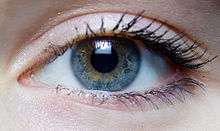
Etymology
From Old Norse auga, from Proto-Germanic *augô, from Proto-Indo-European *h₃ekʷ- (“eye; to see”). Cognates include Latin oculus, Sanskrit अक्षि (ákṣi), Gothic 𐌰𐌿𐌲𐍉 (augō), Old English ēaġe, English eye, Scots ee, Swedish öga, Danish øje.
Pronunciation
- IPA(key): [ˈøyːɣa]
Audio (file) - Rhymes: -øyːɣa
Noun
auga n (genitive singular auga, nominative plural augu)
- (anatomy) eye
- Hávamál (English source, Icelandic source)
- Inn vari gestur
- er til verðar kemur
- þunnu hljóði þegir,
- eyrum hlýðir,
- en augum skoðar.
- Svo nýsist fróðra hver fyrir.
- The knowing guest
- who goes to the feast,
- In silent attention sits;
- With his ears he hears,
- with his eyes he watches,
- Thus wary are wise men all.
- Hávamál (English source, Icelandic source)
Declension
Related terms
|
|
Latvian
Noun
auga m
- genitive singular form of augs
Adjective
auga
Verb
auga
Lithuanian
Pronunciation
- IPA(key): [ˈäˑʊ̯ɡɐ]
Verb
áuga
Mirandese
Etymology
From Latin aqua, from Proto-Italic *akʷā, from Proto-Indo-European *h₂ekʷeh₂.
Noun
auga f (plural augas)
Norwegian Nynorsk
Alternative forms
Etymology
From Old Norse auga, from Proto-Germanic *augô, ultimately from Proto-Indo-European *h₃ekʷ- (“eye; to see”). Akin to English eye.
Pronunciation
- IPA(key): /²æʉɡɑ/ (example of pronunciation)
Noun
auga n (definite singular auga, indefinite plural augo, definite plural augo)
- eye (organ)
- Eg har noko på auga.
- Something is stuck in my eye.
- Eg har noko på auga.
- eye (the visual sense); vision
- Augo mine er ikkje so gode som dei ein gong var.
- My eyes aren't as good as they once were.
auga n
- definite plural of auge
See also
References
- “auga” in The Nynorsk Dictionary.
Old Norse
Etymology
From Proto-Germanic *augô (whence Old English ēaġe, Old Saxon ōga, Old High German ouga, Gothic 𐌰𐌿𐌲𐍉 (augō)), from Proto-Indo-European *h₃ekʷ- (“eye; to see”); compare Latin oculus, Old Church Slavonic око (oko).
Noun
auga n (genitive auga, plural augu)
Declension
Descendants
- Icelandic: auga
- Faroese: eyga
- Norwegian:
- Old Swedish: ø̄gha
- Swedish: öga
- Old Danish: ø̄ghæ
- Danish: øje
- Jamtish: ouge
- Westrobothnian: auge, æue, æuwę, øg, ög, yg
- Elfdalian: oga
- Scanian: yva
- Gutnish: auge
Old Portuguese
Pronunciation
- IPA(key): /ˈaw.ɡa/
Noun
auga f
- Alternative form of agua
Descendants
Portuguese
Pronunciation
- (Portugal) IPA(key): /ˈaw.ɡɐ/, [ˈaw.ɣɐ]
- Hyphenation: au‧ga
Noun
auga f (plural augas)
- (regional) Alternative form of água