養
See also: 养
| ||||||||
Translingual
Han character
養 (radical 184 食+6, 15 strokes, cangjie input 廿人戈日女 (TOIAV), four-corner 80732, composition ⿱𦍌食)
References
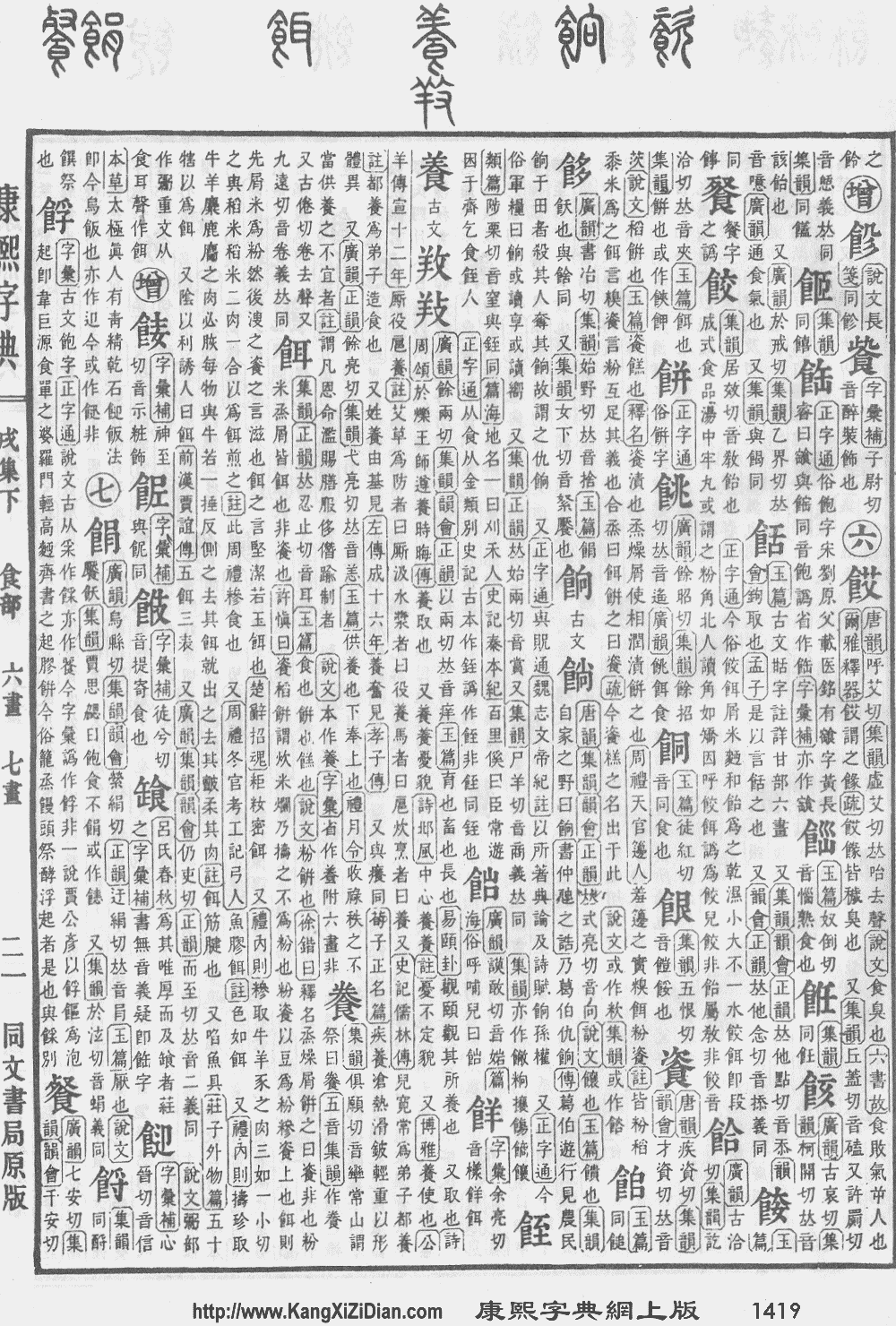
- KangXi: page 1419, character 26
- Dai Kanwa Jiten: character 44144
- Dae Jaweon: page 1943, character 31
- Hanyu Da Zidian: volume 7, page 4452, character 8
- Unihan data for U+990A
Chinese
| trad. | 養 | |
|---|---|---|
| simp. | 养 | |
Glyph origin
| Characters in the same phonetic series (養) (Zhengzhang, 2003) | |
|---|---|
| Old Chinese | |
| 鯗 | *slaŋʔ |
| 養 | *laŋʔ, *laŋs |
| 癢 | *laŋʔ |
| 瀁 | *laŋʔ, *laŋs |
Phono-semantic compound (形聲, OC *laŋʔ, *laŋs) : phonetic 羊 (OC *laŋ) + semantic 食 (“to feed”).
Pronunciation
Definitions
養
Compounds
Derived terms from 養
|
|
|
References
- 藍勇. 第十三章:歷史時期西南綜合文化區的劃分. 《西南歷史文化地理》. 西南師範大學出版社. 1997. →ISBN.
Japanese
Kanji
養
- This term needs a translation to English. Please help out and add a translation, then remove the text
{{rfdef}}.
Readings
Compounds
Compounds
Korean
Hanja
養 • (yang) (hangeul 양, revised yang, McCune–Reischauer yang, Yale yang)
- This term needs a translation to English. Please help out and add a translation, then remove the text
{{rfdef}}.
Vietnamese
Han character
養 (dưỡng, dẳng)
- This term needs a translation to English. Please help out and add a translation, then remove the text
{{rfdef}}.
This article is issued from
Wiktionary.
The text is licensed under Creative Commons - Attribution - Sharealike.
Additional terms may apply for the media files.