願
See also: 愿
| ||||||||
Translingual
Han character
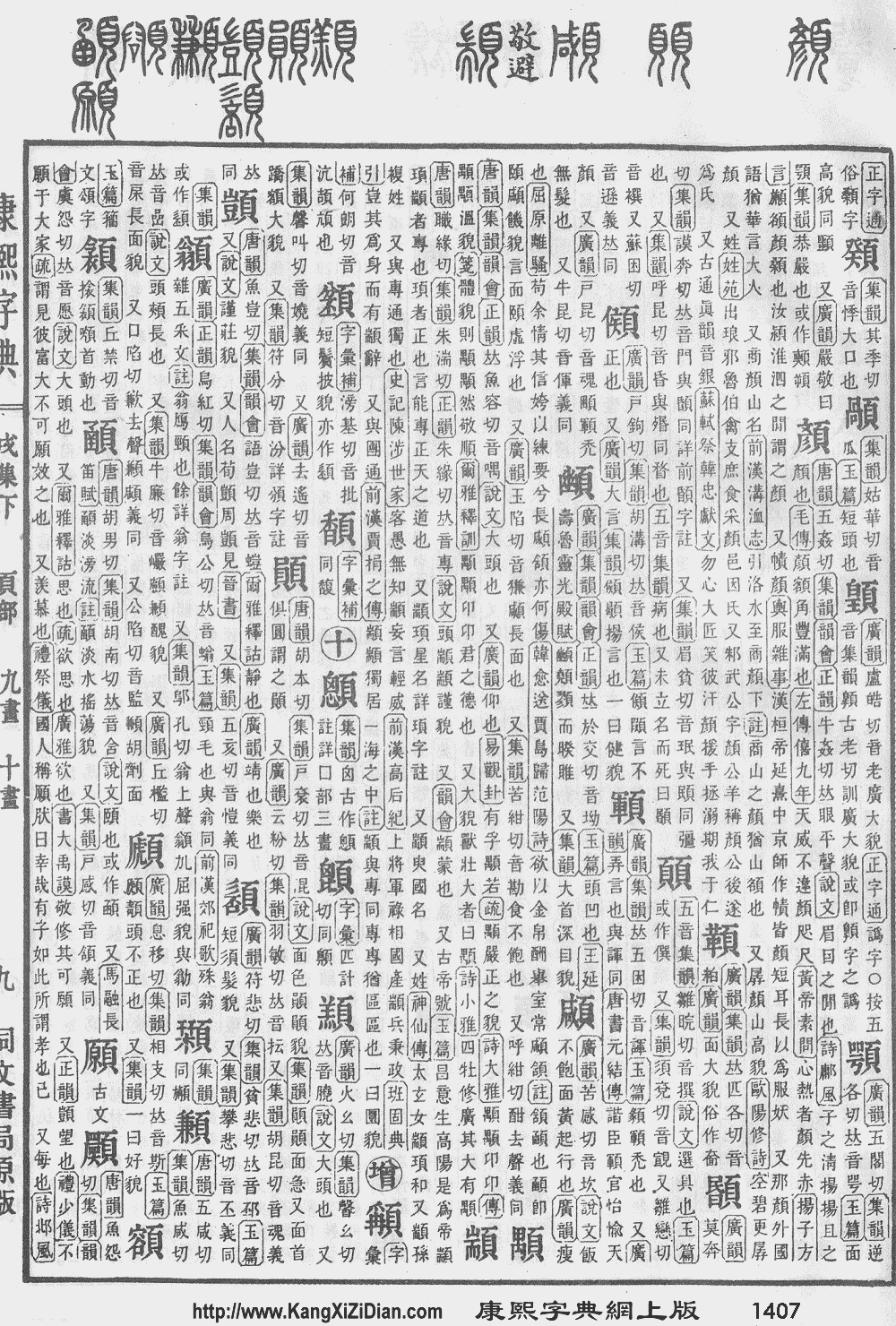
願 (radical 181, 頁+10, 19 strokes, cangjie input 一火一月金 (MFMBC), four-corner 71286, composition ⿰原頁)
References
- KangXi: page 1407, character 31
- Dai Kanwa Jiten: character 43623
- Dae Jaweon: page 1925, character 36
- Hanyu Da Zidian: volume 7, page 4385, character 7
- Unihan data for U+9858
Chinese
| trad. | 願 | |
|---|---|---|
| simp. | 愿* | |
Glyph origin
| Characters in the same phonetic series (原) (Zhengzhang, 2003) | |
|---|---|
| Old Chinese | |
| 羱 | *ŋʷaːn, *ŋʷan |
| 豲 | *ɦŋʷaːn |
| 謜 | *sŋ̊ʰʷan, *ŋʷan |
| 縓 | *sŋ̊ʰʷan, *sŋ̊ʰʷans |
| 原 | *ŋʷan |
| 源 | *ŋʷan |
| 厵 | *ŋʷan |
| 嫄 | *ŋʷan |
| 騵 | *ŋʷan |
| 榞 | *ŋʷan |
| 獂 | *ŋʷan |
| 蒝 | *ŋʷan |
| 願 | *ŋʷans |
| 傆 | *ŋʷans |
| 愿 | *ŋʷans |
Phono-semantic compound (形聲, OC *ŋʷans) : phonetic 原 (OC *ŋʷan) + semantic 頁.
Pronunciation
Definitions
願
Compounds
Derived terms from 願
|
|
Japanese
Kanji
願
Readings
- Goon: ごん (gon)
- Kan’on: げん (gen)←げん (gen, historical)←くゑん (kwen, ancient)
- Kan’yōon: がん (gan, Jōyō)←くわん (kwan, historical)
- Kun: ねがう (negau, 願う, Jōyō)←ねがふ (negafu, historical); ねがい (negai, 願)←ねがひ (negafi, historical)
Usage notes
The honorific form is the well known word for please, お願い (onegai).
Compounds
Etymology
| Kanji in this term |
|---|
| 願 |
| がん Grade: 4 |
| kan’yōon |
From Middle Chinese 願 (ngjwonH).
Pronunciation
Noun
願 (hiragana がん, rōmaji gan, historical hiragana ぐわん)
Derived terms
Derived terms
- 願に懸けて (gan ni kakete)
- 願を起こす (gan o okosu)
- 願を懸ける (gan o kakeru)
- 願を立てる (gan o tateru)
References
Korean
Hanja
願 • (won) (hangeul 원, revised won, McCune–Reischauer wŏn, Yale wen)
Vietnamese
Han character
願 (nguyện, nguyền)
- This term needs a translation to English. Please help out and add a translation, then remove the text
{{rfdef}}.
This article is issued from
Wiktionary.
The text is licensed under Creative Commons - Attribution - Sharealike.
Additional terms may apply for the media files.