伺
| ||||||||
Translingual
Han character
伺 (radical 9 人+5, 7 strokes, cangjie input 人尸一口 (OSMR), four-corner 27220, composition ⿰亻司)
References
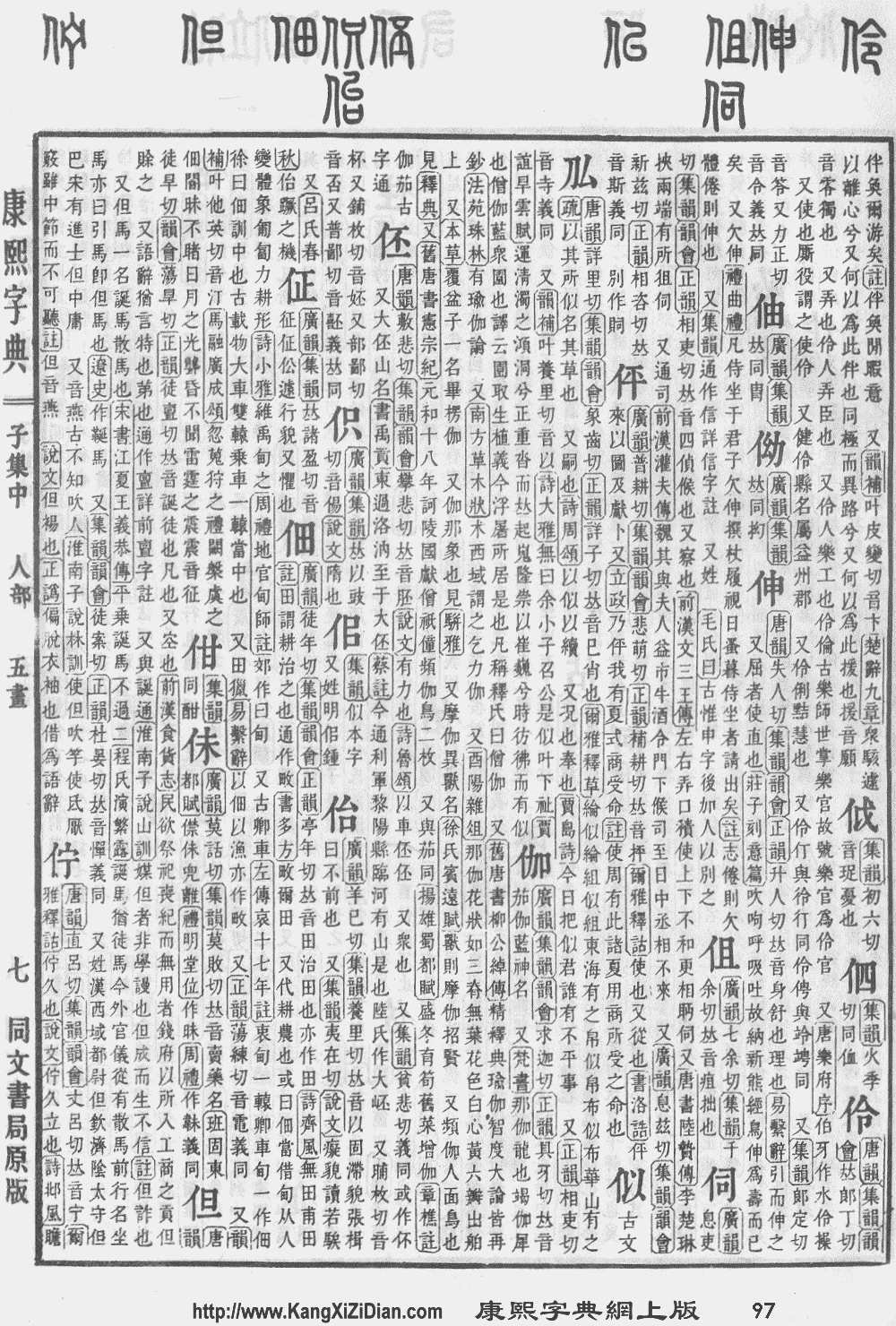
- KangXi: page 97, character 8
- Dai Kanwa Jiten: character 483
- Dae Jaweon: page 205, character 14
- Hanyu Da Zidian: volume 1, page 139, character 5
- Unihan data for U+4F3A
Chinese
| simp. and trad. |
伺 | |
|---|---|---|
Glyph origin
| Historical forms of the character 伺 | ||||
|---|---|---|---|---|
| ||||
|
References: Mostly from Richard Sears' Chinese Etymology site (authorisation),
|


| Characters in the same phonetic series (司) (Zhengzhang, 2003) | |
|---|---|
| Old Chinese | |
| 司 | *slɯ |
| 伺 | *slɯ, *slɯs |
| 覗 | *slɯ, *slɯs |
| 笥 | *slɯ, *slɯs |
| 詞 | *ljɯ |
| 祠 | *ljɯ |
| 柌 | *ljɯ |
| 嗣 | *ljɯs |
| 孠 | *ljɯs |
| 飼 | *ljɯs |
| 呞 | *hljɯ |
Phono-semantic compound (形聲, OC *slɯ, *slɯs) : semantic 人 (“person, man”) + phonetic 司 (OC *slɯ) – a person stands beside (attends), looks in.
Pronunciation 1
Definitions
伺
Compounds
Pronunciation 2
Definitions
伺
- Only used in 伺候 (cìhou).
Japanese
Kanji
伺
Readings
Compounds
- 伺う (ukagau)
Korean
Hanja
伺 • (sa) (hangeul 사, revised sa, McCune–Reischauer sa)
- This term needs a translation to English. Please help out and add a translation, then remove the text
{{rfdef}}.
This article is issued from
Wiktionary.
The text is licensed under Creative Commons - Attribution - Sharealike.
Additional terms may apply for the media files.