data
English
Alternative forms
- D (electronics)
Etymology
Borrowed from Latin data, nominative plural of datum (“that is given”), neuter past participle of dō (“I give”). Doublet of date.
Pronunciation
- (UK, Ireland, US)
- enPR: dā'tə, IPA(key): /ˈdeɪtə/
Audio 1 (US) (file) - Homophone: dater (in non-rhotic dialects)
- Rhymes: -eɪtə
- (US, Canada, Ireland)
- enPR: dă'tə, IPA(key): /ˈdætə/, [ˈdæɾə]
Audio 2 (US) (file) - Rhymes: -ætə
- (General Australian, General New Zealand, General South African, UK formal)
- enPR: dä'tə, IPA(key): /ˈdɑːtə/
Audio (AU) (file) - Homophone: darter (in non-rhotic dialects)
- Rhymes: -ɑːtə
Noun
data
- plural of datum
Noun
data (uncountable)
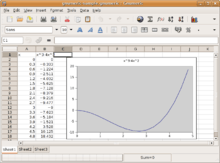
- (uncountable, collectively) Information, especially in a scientific or computational context, or with the implication that it is organized.
- The raw information was processed and placed into a database so the data could be accessed more quickly.
- 1992, Rudolf M. Schuster, The Hepaticae and Anthocerotae of North America: East of the Hundredth Meridian, volume V, page vii
- With fresh material, taxonomic conclusions are leavened by recognition that the material examined reflects the site it occupied; a herbarium packet gives one only a small fraction of the data desirable for sound conclusions. Herbarium material does not, indeed, allow one to extrapolate safely: what you see is what you get […]
- 2013 June 22, “Snakes and ladders”, in The Economist, volume 407, number 8841, page 76:
- Risk is everywhere. […] For each one there is a frighteningly precise measurement of just how likely it is to jump from the shadows and get you. “The Norm Chronicles” […] aims to help data-phobes find their way through this blizzard of risks.
- (uncountable, collectively) Recorded observations that are usually presented in a structured format.
- (computing) A representation of facts or ideas in a formalized manner capable of being communicated or manipulated by some process.
Usage notes
- This word is more often used as an uncountable noun with a singular verb than as a plural noun with singular datum. The latter is almost entirely restricted to formal contexts.
- The definition of data in the computing context is from an international standard vocabulary and is meant to distinguish data from information. However, this distinction is largely ignored by the computing profession.
Hyponyms
Derived terms
Related terms
- data acquisition
- data analysis
- data domain
- data element
- data entry
- data farming
- data hiding
- data integrity
- data maintenance
- data management
- data mining
- data modeling
- data path, datapath
- data processing
- data recovery
- data set
- data sink
- data source
- data warehouse
Translations
|
|
References
- “data” in Dictionary.com Unabridged, Dictionary.com, LLC, 1995–present. (The American Heritage Dictionary's usage note on 'data')
- John Quiggin: Data is not the plural of datum
- johnaugust.com: ‘Data’ is singular
Anagrams
Catalan
Etymology
Borrowed from Late Latin data < Latin datus.
Noun
data f (plural dates)
- date (specific moment in time)
Cebuano
Pronunciation
- Hyphenation: da‧ta
Noun
data
Czech
Pronunciation
Audio (file)
Noun
data n pl
Declension
Related terms
Danish
Noun
data n (singular definite dataet, plural indefinite data)
Inflection
Dutch
Pronunciation
Audio (file)
Noun
data
- Plural form of datum
- (uncountable) data, information
Usage notes
Though some speakers use data "information" as a new singular rather than as the plural of datum (“data point”), this is generally prescribed against. This is analogous to media in Dutch, which some speakers treat as a new singular rather than as a plural of medium.
Synonyms
Finnish
(index d)
Pronunciation
- Hyphenation: da‧ta
Noun
data
Declension
| Inflection of data (Kotus type 9/kala, no gradation) | |||
|---|---|---|---|
| nominative | data | datat | |
| genitive | datan | datojen | |
| partitive | dataa | datoja | |
| illative | dataan | datoihin | |
| singular | plural | ||
| nominative | data | datat | |
| accusative | nom. | data | datat |
| gen. | datan | ||
| genitive | datan | datojen datainrare | |
| partitive | dataa | datoja | |
| inessive | datassa | datoissa | |
| elative | datasta | datoista | |
| illative | dataan | datoihin | |
| adessive | datalla | datoilla | |
| ablative | datalta | datoilta | |
| allative | datalle | datoille | |
| essive | datana | datoina | |
| translative | dataksi | datoiksi | |
| instructive | — | datoin | |
| abessive | datatta | datoitta | |
| comitative | — | datoineen | |
Derived terms
- data-arkisto
- dataliikenne
- datanlouhinta
- datanomi
- datansiirto
- datansiirtoverkko
- dataprojektori
- datasiirto
- datasiirtolaite
- datasiirtoverkko
- datasähkö
- datatekniikka
- dataverkko
- dataväylä
- metadata
French
Verb
data
- third-person singular past historic of dater
Italian
Etymology
From Late Latin data, from Latin datus.
Noun
data f (plural date)
Derived terms
- "a {n} giorni data" - within {n} days
Verb
data
- Feminine singular of dato, past participle of dare
- third-person singular present of datare
- second-person singular imperative of datare
Related terms
See also
Ladin
Noun
data f (plural dates)
- date (day number of the month)
Latin
Participle
data
- nominative feminine singular of datus
- nominative neuter plural of datus
- accusative neuter plural of datus
- vocative feminine singular of datus
- vocative neuter plural of datus
datā
- ablative feminine singular of datus
References
- data in Charles du Fresne du Cange’s Glossarium Mediæ et Infimæ Latinitatis (augmented edition, 1883–1887)
Middle Irish
Noun
data m
Inflection
This noun needs an inflection-table template.
Synonyms
- (foster father): aite
Norwegian Bokmål
Etymology
Noun
data m, n (definite singular dataen or dataet, indefinite plural data, definite plural dataene)
- data
- short form of datateknologi
Derived terms
References
- “data” in The Bokmål Dictionary.
Norwegian Nynorsk
Etymology
Noun
data n (definite singular dataet, indefinite plural data, definite plural dataa)
- data
- short form of datateknologi
Derived terms
References
- “data” in The Nynorsk Dictionary.
Novial
Verb
data (past datad, active participle datant, passive participle datat)
- to date (determine the time of origin)
Polish
Pronunciation
- IPA(key): /ˈda.ta/
Audio (file)
Noun
data f
- date (the point of time at which event takes place; a specific day)
Declension
Further reading
- data in Polish dictionaries at PWN
Portuguese
Etymology 1
Borrowed from Late Latin data < Latin datus.
Pronunciation
Noun
data f (plural datas)
Etymology 2
Verb
data
- Third-person singular (ele, ela, also used with tu and você?) present indicative of datar
- Second-person singular (tu) affirmative imperative of datar
Spanish
Etymology
Borrowed from Late Latin data < Latin datus.
Noun
data f (plural datas)
- date (point of time at which a transaction or event takes place)
Related terms
Verb
data
- Informal second-person singular (tú) affirmative imperative form of datar.
- Formal second-person singular (usted) present indicative form of datar.
- Third-person singular (él, ella, also used with usted?) present indicative form of datar.
Swedish
Etymology
Borrowed from Latin data, from the plural of datum (“that which is given, information, facts at hand, a date in the calendar”).
Noun
data c
- (uncountable) information, especially encoded information that can be processed by computers
- (colloquial) short for dator, a computer
- Det är fel på datan
- Something's wrong with the computer
- 1966, Olof Johannesson (pen name of Hannes Alfvén), "Sagan om den stora datamaskinen"
- De första datorna var ju också mycket enkla.
- And the first computers were very simple.
- De första datorna var ju också mycket enkla.
- Det är fel på datan
Usage notes
- The first definition is rarely inflected, but most often used in its basic form. In the definite form, both neuter (datat) and common gender (datan) forms are used. For the compound indata, Google yields 440,000 hits, but only 2110 for indatan and 1200 for indatat. The Latin singular datum is not used in this sense, because it is already Swedish for date (in the calendar).
- Swedish lacked a good and short word for computer until dator was proposed in 1968. The colloquial "data" was used in the 1960s and survived into the 1980s. Confusing enough, dator is also the plural of data, and the plural definite forms datorerna/datorna are very similar.
Declension
| Declension of data | ||||
|---|---|---|---|---|
| Singular | Plural | |||
| Indefinite | Definite | Indefinite | Definite | |
| Nominative | data | datan | dator | datorna |
| Genitive | datas | datans | dators | datornas |