See
German
FWOTD – 17 April 2016
Etymology
From Old High German sēo, from Proto-Germanic *saiwiz. Compare Low German See, Dutch zee, English sea, Danish sø.
Pronunciation
- IPA(key): /zeː/
-
audio (file) - Rhymes: -eː
Noun
See m (genitive Sees, plural Seen)
- lake
- Dieser See ist sehr klein.
- This lake is very small.
- "Görlitzer Park", Berliner Zeitung, November 11, 2013.
- Auf 14 Hektar gibt es unter anderem einen Kinderbauernhof, mehrere Sport-, Spiel- und Bolzplätze, zwei Aussichtsberge und einen kleinen See.
- There are, among other things, a petting zoo, multiple sporting facilities, playing grounds and soccer fields, two overlooks and a small lake on 14 hectares.
-
-
Declension
Noun
See f (genitive See, no plural)
- sea, ocean
- Mein Großvater ist als Fischer zur See gefahren.
- My grandfather went to sea as a fisherman.
- Giorgos Christides, "Griechenland empört über Kritik aus Österreich: "Sollen wir die Flüchtlingsboote vielleicht versenken?"", Der Spiegel, January 26, 2016.
- Wenn man ein Boot auf See sichte, gebe es nur eine Handlungsoption.
- When one spots a boat at sea, there would only be one way to act.
-
-
- sea, sea condition, swell
- Die See ist heute sehr ruhig.
- The sea is very calm today.
-
Usage notes
- (sea, ocean): This sense is normal in compounds and fixed expressions (as above). Otherwise, See is elevated and usually replaced by the synonym Meer.
- (swell): This sense is very common in nautical parlance but also familiar to ordinary people.
Declension
Synonyms
Derived terms
Terms derived from See
Proper noun
See n (genitive Sees)
Low German
Etymology
From Middle Low German sê, from Old Saxon sēo, from Proto-Germanic *saiwiz. Compare standard German See, Dutch zee, English sea, Swedish sjö.
Noun
See m (plural Seen)
- a lake
Noun
See f
- sea, ocean
- Mien Grootvader föhr as Fischer to de See.
- My grandfather went to sea as a fisherman.
-
- sea, sea condition, swell
- De See is vundaag bannig rohig.
- The sea is very calm today.
-
Usage notes
- (sea, ocean): Contrary to its German counterpart, See in Low German is the most common word for sea and is never replaced by Meer as it is in standard German.
- (swell): This sense is very common in nautical parlance but also familiar to ordinary people.
Synonyms
Derived terms
Terms derived from See
|
|
Luxembourgish
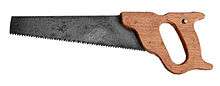
eng See
Etymology
From Old High German saga, from Proto-Germanic *sagō. Cognate with German Säge, English saw, Dutch zaag, Icelandic sög, Danish sav.
Pronunciation
- IPA(key): /zeː/
- Rhymes: -eː
Noun
See f (plural Seeën)
Related terms
Pennsylvania German
Etymology
From Old High German sēo, from Proto-Germanic *saiwiz. Compare German See, Dutch zee, English sea, Swedish sjö.
Noun
See m
Noun
See n
Tagalog
Etymology
Pronunciation
- IPA(key): /siː/
Proper noun
See
- A surname of Chinese origin.
This article is issued from
Wiktionary.
The text is licensed under Creative Commons - Attribution - Sharealike.
Additional terms may apply for the media files.