陵
| ||||||||
Translingual
Han character
陵 (radical 170, 阜+8, 11 strokes, cangjie input 弓中土金水 (NLGCE), four-corner 74247, composition ⿰阝夌)
References
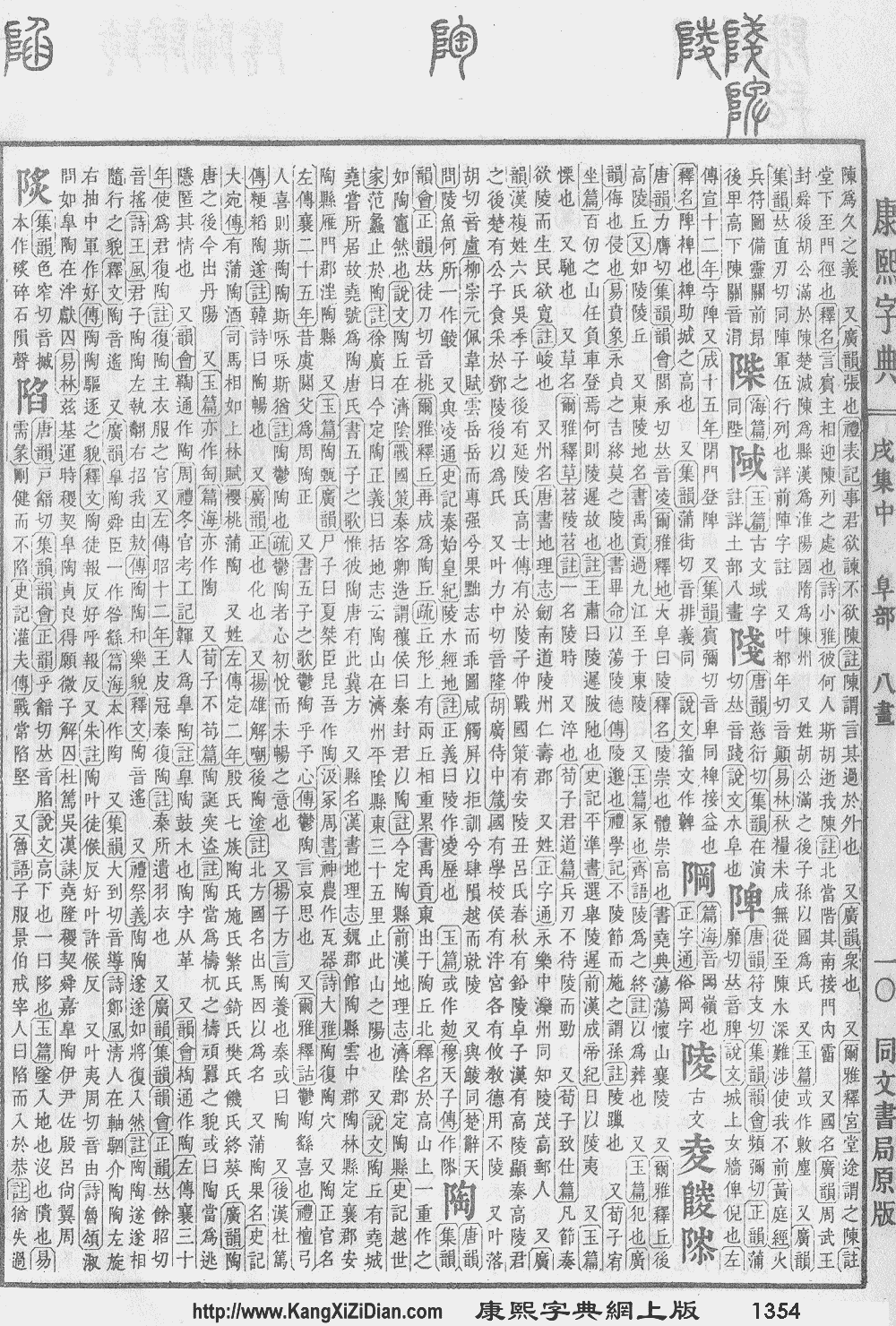
- KangXi: page 1354, character 6
- Dai Kanwa Jiten: character 41704
- Dae Jaweon: page 1857, character 6
- Hanyu Da Zidian: volume 6, page 4134, character 6
- Unihan data for U+9675
Chinese
| simp. and trad. |
陵 | |
|---|---|---|
Glyph origin
| Characters in the same phonetic series (夌) (Zhengzhang, 2003) | |
|---|---|
| Old Chinese | |
| 棱 | *rɯːŋ |
| 稜 | *rɯːŋ |
| 輘 | *rɯːŋ |
| 倰 | *rɯːŋ |
| 祾 | *rɯːŋ, *rɯŋ |
| 踜 | *rɯːŋs |
| 凌 | *rɯŋ |
| 菱 | *rɯŋ |
| 陵 | *rɯŋ |
| 綾 | *rɯŋ |
| 鯪 | *rɯŋ |
| 淩 | *rɯŋ |
| 夌 | *rɯŋ |
| 蔆 | *rɯŋ |
| 崚 | *rɯŋ |
| 掕 | *rɯŋ |
| 𩜁 | *rɯŋs |
| 庱 | *r̥ʰɯŋ, *r̥ʰɯŋʔ |
| 睖 | *r̥ʰɯŋ |
Phono-semantic compound (形聲, OC *rɯŋ) : semantic 阜 + phonetic 夌 (OC *rɯŋ).
Pronunciation
Definitions
陵
- mound; mount, hill
- gravemound of an emperor
Compounds
Derived terms from 陵
References
Japanese
Kanji
陵
- mausoleum
- imperial tomb
Readings
Korean
Hanja
陵 • (reung>neung)
Okinawan
Kanji
陵 (hiragana うどぅん, romaji udun)
Compounds
- 玉陵 (たまうどぅん, Tamaudun)
Vietnamese
Han character
- This term needs a translation to English. Please help out and add a translation, then remove the text
{{rfdef}}.
This article is issued from
Wiktionary.
The text is licensed under Creative Commons - Attribution - Sharealike.
Additional terms may apply for the media files.