彦
See also: 彥
| ||||||||
Translingual
Han character
彦 (radical 59 彡+6, 9 strokes, cangjie input 卜竹竹竹竹 (YHHHH), composition ⿸产彡)
References
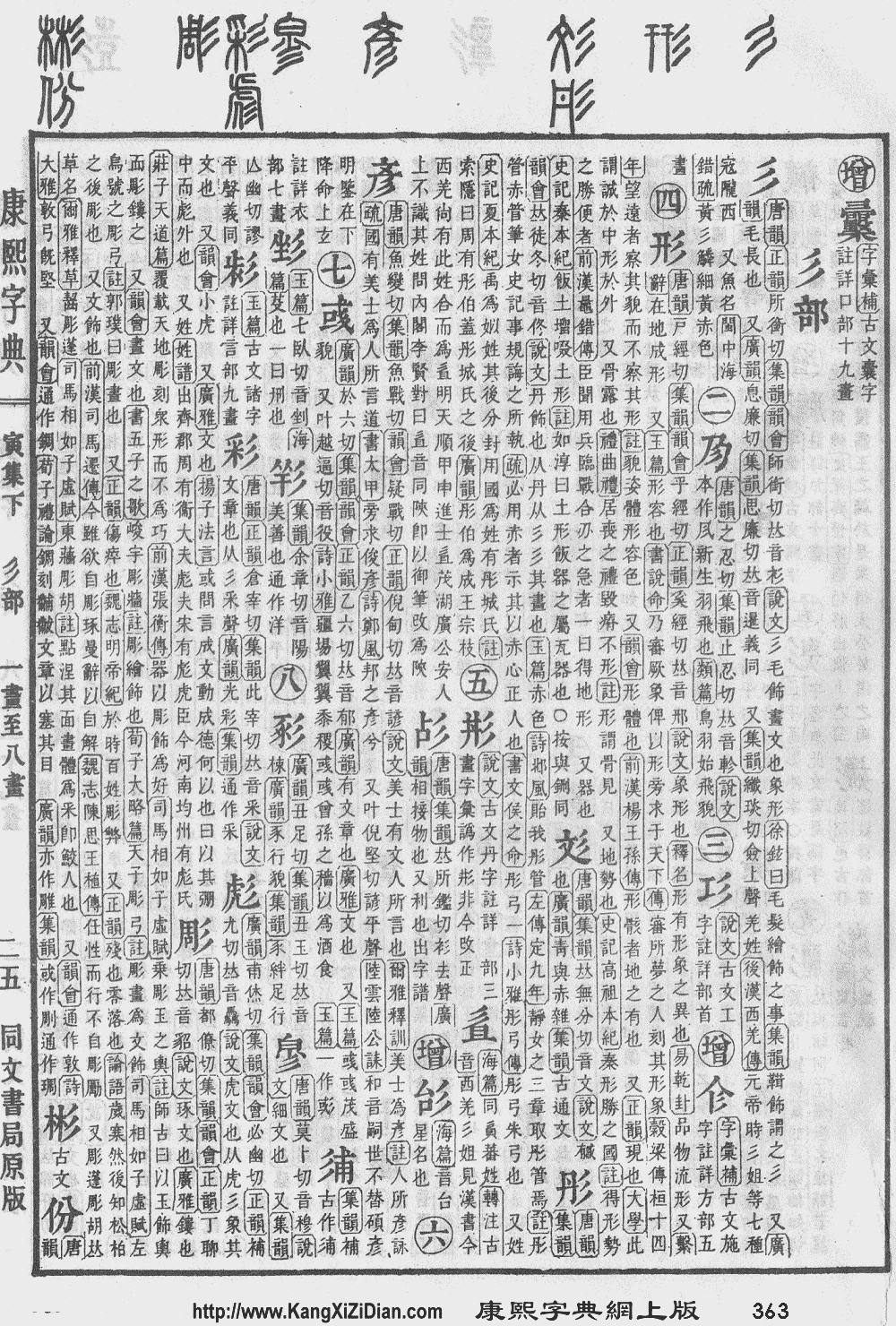
- KangXi: not present, would follow page 363, character 13
- Dai Kanwa Jiten: character 9981
- Hanyu Da Zidian: volume 2, page 854, character 9
- Unihan data for U+5F66
Chinese
Glyph origin
| Characters in the same phonetic series (彦) (Zhengzhang, 2003) | |
|---|---|
| Old Chinese | |
| 喭 | *ŋaːns, *ŋrans |
| 鏟 | *sŋ̊ʰreːnʔ, *sŋ̊ʰraːns |
| 産 | *sŋreːnʔ |
| 簅 | *sreːnʔ |
| 摌 | *sreːnʔ |
| 嵼 | *sŋreːnʔ |
| 滻 | *sŋreːnʔ |
| 顏 | *ŋraːn |
| 楌 | *ŋraːn |
| 偐 | *ŋraːns |
| 齴 | *ŋranʔ |
| 遃 | *ŋranʔ |
| 嵃 | *ŋranʔ |
| 彦 | *ŋrans |
| 諺 | *ŋrans |
Etymology 1
| For pronunciation and definitions of 彦 – see 彥 (“elegant, handsome; learned”). (This character, 彦, is the simplified form of 彥.) |
Notes:
|
Etymology 2
| For pronunciation and definitions of 彦 – see 顏 (“forehead, especially the glabellar area; face; etc.”). (This character, 彦, is the second-round simplified form of 顏.) |
Notes:
|
Japanese
Kanji
彦
(“Jinmeiyō” kanji used for names)
Readings
Etymology
| Kanji in this term |
|---|
| 彦 |
| ひこ Jinmeiyō |
| kun’yomi |
/pi1ko1/ invalid IPA characters (11): *[piko] → [ɸiko] → [hiko]
From Old Japanese. Compound of 日 (hi, “sun”, a prefix or appellation used in reference to the imperial family) + 子 (ko, “child”).[1][2]
Pronunciation
Noun
- a male child, a boy
- a prince
- chieftain; in ancient Japan, the ruler of a regional land
Synonyms
See also
References
- Ishihara, Michihiro (1985-05-16) Shintei Gishi Wajinden: Chūgoku Seishi Nihonden (1) (in Japanese), Tōkyō: Iwanami Shoten, →ISBN, pages 105-106
This article is issued from
Wiktionary.
The text is licensed under Creative Commons - Attribution - Sharealike.
Additional terms may apply for the media files.