soma
English
Pronunciation
- (General American) IPA(key): /ˈsoʊmə/
- (Received Pronunciation) IPA(key): /ˈsəʊmə/
- Hyphenation: so‧ma
Etymology 1
From New Latin, from Ancient Greek σῶμα (sôma, “body”).
Noun
- (anatomy) The whole axial portion of an animal, including the head, neck, trunk, and tail.
- (cytology) The bulbous part of a neuron, containing the cell nucleus.
Synonyms
- See also Thesaurus:body
Derived terms
Related terms
Translations
Etymology 2
From Sanskrit सोम (sóma), from Proto-Indo-Aryan *sáwmas, from Proto-Indo-Iranian *sáwmas, from *su-.
Noun
soma (uncountable)
- A ritual drink in ancient Vedic and continuing Hindu culture, obtained by pressing the Soma plant.
- 2006, Karen Armstrong, The Great Transformation, Atlantic Books 2007, p. 82:
- Once he had drunk the intoxicating soma, he experienced an ascent to the gods without having to die a violent death, as in the old ritual.
- 2006, Karen Armstrong, The Great Transformation, Atlantic Books 2007, p. 82:
- (by extension) any kind of intoxicating drug
Synonyms
- Soma (alternative capitalization)
Related terms
Anagrams
Finnish
Etymology
Related to Ludian čoma.
Pronunciation
- IPA(key): /ˈsomɑ/
Adjective
soma (comparative somempi, superlative somin)
Declension
| Inflection of soma (Kotus type 10/koira, no gradation) | |||
|---|---|---|---|
| nominative | soma | somat | |
| genitive | soman | somien | |
| partitive | somaa | somia | |
| illative | somaan | somiin | |
| singular | plural | ||
| nominative | soma | somat | |
| accusative | nom. | soma | somat |
| gen. | soman | ||
| genitive | soman | somien somainrare | |
| partitive | somaa | somia | |
| inessive | somassa | somissa | |
| elative | somasta | somista | |
| illative | somaan | somiin | |
| adessive | somalla | somilla | |
| ablative | somalta | somilta | |
| allative | somalle | somille | |
| essive | somana | somina | |
| translative | somaksi | somiksi | |
| instructive | — | somin | |
| abessive | somatta | somitta | |
| comitative | — | somine | |
Anagrams
Galician
Etymology
Pronunciation
- IPA(key): /ˈsoma̝/
Noun
soma f (plural somas)
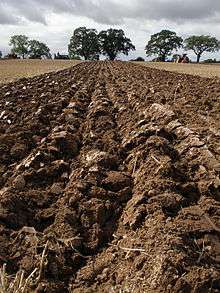
- ridge (formed besides a furrow)
Synonyms
- lombeiro, márdea, mesa, sorrello
References
- “soma” in Dicionario de Dicionarios da lingua galega, SLI - ILGA 2006-2013.
- “soma” in Santamarina, Antón (coord.): Tesouro informatizado da lingua galega. Santiago de Compostela: Instituto da Lingua Galega.
- “soma” in Álvarez, Rosario (coord.): Tesouro do léxico patrimonial galego e portugués, Santiago de Compostela: Instituto da Lingua Galega.
Italian
Etymology 1
From Latin sagma, from Ancient Greek σάγμα (ságma). Compare the doublet salma (“corpse”).
Noun
soma f (plural some)
- the load borne by a pack animal
- the measure of the capacity of a given animal to bear a load
- (poetic) a weight
Derived terms
Etymology 2
From Ancient Greek σῶμα (sôma).
Noun
soma m (plural somi)
Derived terms
Anagrams
Italiot Greek
Etymology
From Ancient Greek σῶμα (sôma).
Noun
soma n
Japanese
Romanization
soma
- Rōmaji transcription of そま
Latvian
Etymology 1
Borrowed from Old East Slavic сума (suma) (compare Russian сума́ (sumá)), itself borrowed (via Polish) from Old High German soum (“burden”) (compare German Saum), from Ancient Greek σάγμα (ságma) (whence also Latin sagma, sauma (“burden saddle, burden”)). The borrowing happened in the 13th century, when Old East Slavic у was still pronounced as [oː]. The word soma is first attested in 17th-century dictionaries with meanings such as “bread sack”, “bag”, “travel bag”.[1]
Pronunciation
- IPA(key): [sūōma]
Noun
soma f (4th declension)
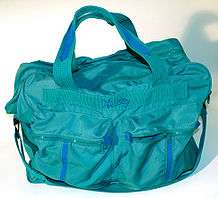
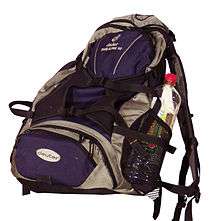
- bag, pack (fabric, leather, etc. object with straps or handles, used for carrying small objects, groceries, etc.)
- pasta soma ― mail bag
- medību soma ― (hunting) game bag
- skolas soma ― satchel, school bag
- iepirkumu soma ― shopping bag
- ceļa soma, ceļasoma ― suitcase (lit. travelling bag)
- rokas soma, rokassoma ― purse (lit. hand bag)
- mugursoma ― backpack, knapsack, rucksack
- (biology, anatomy) pouch (skin fold in marsupials to keep a newborn baby)
- ķengura soma ― kangaroo pouch
Declension
Derived terms
See also
Etymology 2
See soms.
Noun
soma m
- genitive singular form of soms
References
- ↑ Karulis, Konstantīns (1992), “soma”, in Latviešu Etimoloģijas Vārdnīca (in Latvian), Rīga: AVOTS, →ISBN
Portuguese

Etymology 1
Pronunciation
Noun
soma f (plural somas)
- (arithmetic) sum (quantity obtained by addition or aggregation)
- sum (quantity of money)
Etymology 2
From New Latin, from Ancient Greek σῶμα (sôma, “body”).
Pronunciation
- (Portugal) IPA(key): /ˈso.mɐ/
- Hyphenation: so‧ma
Noun
soma m (plural somas)
Etymology 3
From Sanskrit सोम (sóma), from Proto-Indo-Iranian *sauma, from Proto-Indo-European *sew(h)-.
Pronunciation
- (Portugal) IPA(key): /ˈsɔ.mɐ/
- Hyphenation: so‧ma
Noun
soma m (plural somas)
Etymology 4
Pronunciation
- (Portugal) IPA(key): /ˈsɔ.mɐ/
- Hyphenation: so‧ma
Verb
soma
- third-person singular (ele and ela, also used with você and others) present indicative of somar
- second-person singular (tu, sometimes used with você) affirmative imperative of somar
Romanian
Etymology
Verb
a soma (third-person singular present somează, past participle somat) 1st conj.
- to summon
Conjugation
| infinitive | a soma | ||||||
|---|---|---|---|---|---|---|---|
| gerund | somând | ||||||
| past participle | somat | ||||||
| number | singular | plural | |||||
| person | 1st person | 2nd person | 3rd person | 1st person | 2nd person | 3rd person | |
| indicative | eu | tu | el/ea | noi | voi | ei/ele | |
| present | somez | somezi | somează | somăm | somați | somează | |
| imperfect | somam | somai | soma | somam | somați | somau | |
| simple perfect | somai | somași | somă | somarăm | somarăți | somară | |
| pluperfect | somasem | somaseși | somase | somaserăm | somaserăți | somaseră | |
| subjunctive | eu | tu | el/ea | noi | voi | ei/ele | |
| present | să somez | să somezi | să someze | să somăm | să somați | să someze | |
| imperative | — | tu | — | — | voi | — | |
| affirmative | somează | somați | |||||
| negative | nu soma | nu somați | |||||
Rwanda-Rundi
Verb
soma
- to read
Swahili
Etymology
Of Bantu origin.
Verb
-soma (infinitive kusoma)
- to read
Conjugation
| Conjugation of -soma | ||||||||||||||||||||||||||||||||||||||||||||||||||||||||||||||||||||||||||||||||||||||||||||||
|---|---|---|---|---|---|---|---|---|---|---|---|---|---|---|---|---|---|---|---|---|---|---|---|---|---|---|---|---|---|---|---|---|---|---|---|---|---|---|---|---|---|---|---|---|---|---|---|---|---|---|---|---|---|---|---|---|---|---|---|---|---|---|---|---|---|---|---|---|---|---|---|---|---|---|---|---|---|---|---|---|---|---|---|---|---|---|---|---|---|---|---|---|---|---|
| Non-finite forms | ||||||||||||||||||||||||||||||||||||||||||||||||||||||||||||||||||||||||||||||||||||||||||||||
| Form | Positive | Negative | ||||||||||||||||||||||||||||||||||||||||||||||||||||||||||||||||||||||||||||||||||||||||||||
| Infinitive | kusoma | kutosoma | ||||||||||||||||||||||||||||||||||||||||||||||||||||||||||||||||||||||||||||||||||||||||||||
| Simple finite forms | ||||||||||||||||||||||||||||||||||||||||||||||||||||||||||||||||||||||||||||||||||||||||||||||
| Positive form | Singular | Plural | ||||||||||||||||||||||||||||||||||||||||||||||||||||||||||||||||||||||||||||||||||||||||||||
| Imperative | soma | someni | ||||||||||||||||||||||||||||||||||||||||||||||||||||||||||||||||||||||||||||||||||||||||||||
| Habitual | husoma | |||||||||||||||||||||||||||||||||||||||||||||||||||||||||||||||||||||||||||||||||||||||||||||
| Complex finite forms | ||||||||||||||||||||||||||||||||||||||||||||||||||||||||||||||||||||||||||||||||||||||||||||||
| Polarity | Persons | Persons / Classes | Classes | |||||||||||||||||||||||||||||||||||||||||||||||||||||||||||||||||||||||||||||||||||||||||||
| 1st | 2nd | 3rd / M-wa | M-mi | Ma | Ki-vi | N | U | Ku | Pa | Mu | ||||||||||||||||||||||||||||||||||||||||||||||||||||||||||||||||||||||||||||||||||||
| Sg. | Pl. | Sg. | Pl. | Sg. / 1 | Pl. / 2 | 3 | 4 | 5 | 6 | 7 | 8 | 9 | 10 | 11 / 14 | 15 / 17 | 16 | 18 | |||||||||||||||||||||||||||||||||||||||||||||||||||||||||||||||||||||||||||||
| ||||||||||||||||||||||||||||||||||||||||||||||||||||||||||||||||||||||||||||||||||||||||||||||
| ||||||||||||||||||||||||||||||||||||||||||||||||||||||||||||||||||||||||||||||||||||||||||||||
| ||||||||||||||||||||||||||||||||||||||||||||||||||||||||||||||||||||||||||||||||||||||||||||||
| ||||||||||||||||||||||||||||||||||||||||||||||||||||||||||||||||||||||||||||||||||||||||||||||
| ||||||||||||||||||||||||||||||||||||||||||||||||||||||||||||||||||||||||||||||||||||||||||||||
| ||||||||||||||||||||||||||||||||||||||||||||||||||||||||||||||||||||||||||||||||||||||||||||||
| ||||||||||||||||||||||||||||||||||||||||||||||||||||||||||||||||||||||||||||||||||||||||||||||
| ||||||||||||||||||||||||||||||||||||||||||||||||||||||||||||||||||||||||||||||||||||||||||||||
| ||||||||||||||||||||||||||||||||||||||||||||||||||||||||||||||||||||||||||||||||||||||||||||||
| ||||||||||||||||||||||||||||||||||||||||||||||||||||||||||||||||||||||||||||||||||||||||||||||
| ||||||||||||||||||||||||||||||||||||||||||||||||||||||||||||||||||||||||||||||||||||||||||||||
| ||||||||||||||||||||||||||||||||||||||||||||||||||||||||||||||||||||||||||||||||||||||||||||||
| ||||||||||||||||||||||||||||||||||||||||||||||||||||||||||||||||||||||||||||||||||||||||||||||
| ||||||||||||||||||||||||||||||||||||||||||||||||||||||||||||||||||||||||||||||||||||||||||||||
| ||||||||||||||||||||||||||||||||||||||||||||||||||||||||||||||||||||||||||||||||||||||||||||||
| Not all possible forms are listed in the table. Transitive verbs can take object concords, relative concords can agree with all noun classes, and many other forms not commonly seen in modern Standard Swahili are absent from the table. See Appendix:Swahili verbs for more information. | ||||||||||||||||||||||||||||||||||||||||||||||||||||||||||||||||||||||||||||||||||||||||||||||
Derived terms
- Verbal derivations:
Turkish
Noun
soma
- dative singular of som