ota
Esperanto
Adjective
ota (accusative singular otan, plural otaj, accusative plural otajn)
Synonyms
Finnish
Etymology 1
Pronunciation
Noun
ota
- (biblical) A sting.
Declension
| Inflection of ota (Kotus type 10/koira, t-d gradation) | |||
|---|---|---|---|
| nominative | ota | odat | |
| genitive | odan | otien | |
| partitive | otaa | otia | |
| illative | otaan | otiin | |
| singular | plural | ||
| nominative | ota | odat | |
| accusative | nom. | ota | odat |
| gen. | odan | ||
| genitive | odan | otien otainrare | |
| partitive | otaa | otia | |
| inessive | odassa | odissa | |
| elative | odasta | odista | |
| illative | otaan | otiin | |
| adessive | odalla | odilla | |
| ablative | odalta | odilta | |
| allative | odalle | odille | |
| essive | otana | otina | |
| translative | odaksi | odiksi | |
| instructive | — | odin | |
| abessive | odatta | oditta | |
| comitative | — | otineen | |
Etymology 2
Pronunciation
- Hyphenation: o‧ta
- IPA(key): [ˈotɑ(ʔ)]
Verb
ota
Anagrams
Ghotuo
Noun
ōtà
Noun
òtà
References
- The Phonological Representation of Suprasegmentals →ISBN, Koen Bogers, Harry van der Hulst, Maarten Mous (editors), 1986
Icelandic
Verb
ota (otaði)
Derived terms
- ota að
- ota sínum tota
Latvian
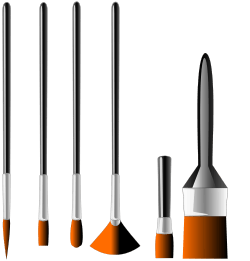
Otas
Etymology
From *vota ([vuota]) with loss of initial v (like ola (“egg”), q.v.), from *wuo-, from Proto-Baltic *wan-, from Proto-Indo-European *won-, *wen-, *wā- (“to hit”). The original meaning was apparently “(something) for hitting,” at some point used to refer to the birch brooms used to hit oneself in steam baths, and then to all brooms. In the 1920s its use was restricted to the modern sense of “paintbrush.” Cognates include Lithuanian vánta (“broom for hitting oneself in steam baths”).[1]
Pronunciation
- IPA(key): [ūōta]
Noun
ota f (4th declension)
- paintbrush (instrument for painting or drawing, consisting of a bundle of hairs or feathers attached to the end of a handle)
- gleznotāja ota ― a painter's (= artist's) paintbrush
- krāsotāja ota ― a painter's (= worker's) paintbrush
- ieziešanas ota ― lubrication brush
- raga ota ― horn paintbrush
- otas triepiens, vilciens ― (paint)brush strokes
- gleznot ar otu ― to paint with a paintbrush
- iemērkt otu krāsā ― to dip the brush in ink, in paint
- otas meistars ― an outstanding painter (lit. master of the paintbrush)
- virsmu krāsošanai mājas apstākļos lieto otu, un katrs, kas krāsojis, zina, ka ne vienmēr izdodas krāsu uzklāt vienmērīgi un glīti ― for painting surfaces at home one uses a (paint)brush, and anyone who paints knows that you cannot always apply the paint evenly and neatly
-
- (figuratively) painting style, work
- šī mākslinieka otai pieder interesantās klusās dabas ― this artist's paintbrush has an interesting quiet nature
- Konrāda Ubāna ota radījusi ne tikai ainavas, bet arī portretus un klusās dabas, bez tam tā kalpousi monumentālajai mākslai un teātrim ― Konrāds Ubāns' paintbrush created not only landscapes, but also portraits and still lifes, and served in addition monumental art and theater
-
Declension
Synonyms
- sarene
References
- ↑ Karulis, Konstantīns (1992), “ota”, in Latviešu Etimoloģijas Vārdnīca (in Latvian), Rīga: AVOTS, →ISBN
Maori
Etymology
From Proto-Austronesian (compare Fijian koda).
Verb
ota
- to eat raw
Spanish
Verb
ota
- Formal second-person singular (usted) present indicative form of otar.
- Third-person singular (él, ella, also used with usted?) present indicative form of otar.
- Informal second-person singular (tú) affirmative imperative form of otar.
Swahili
Verb
-ota (infinitive kuota)
- to dream
Conjugation
| Conjugation of -ota | ||||||||||||||||||||||||||||||||||||||||||||||||||||||||||||||||||||||||||||||||||||||||||||||
|---|---|---|---|---|---|---|---|---|---|---|---|---|---|---|---|---|---|---|---|---|---|---|---|---|---|---|---|---|---|---|---|---|---|---|---|---|---|---|---|---|---|---|---|---|---|---|---|---|---|---|---|---|---|---|---|---|---|---|---|---|---|---|---|---|---|---|---|---|---|---|---|---|---|---|---|---|---|---|---|---|---|---|---|---|---|---|---|---|---|---|---|---|---|---|
| Non-finite forms | ||||||||||||||||||||||||||||||||||||||||||||||||||||||||||||||||||||||||||||||||||||||||||||||
| Form | Positive | Negative | ||||||||||||||||||||||||||||||||||||||||||||||||||||||||||||||||||||||||||||||||||||||||||||
| Infinitive | kuota | kutoota | ||||||||||||||||||||||||||||||||||||||||||||||||||||||||||||||||||||||||||||||||||||||||||||
| Simple finite forms | ||||||||||||||||||||||||||||||||||||||||||||||||||||||||||||||||||||||||||||||||||||||||||||||
| Positive form | Singular | Plural | ||||||||||||||||||||||||||||||||||||||||||||||||||||||||||||||||||||||||||||||||||||||||||||
| Imperative | ota | oteni | ||||||||||||||||||||||||||||||||||||||||||||||||||||||||||||||||||||||||||||||||||||||||||||
| Habitual | huota | |||||||||||||||||||||||||||||||||||||||||||||||||||||||||||||||||||||||||||||||||||||||||||||
| Complex finite forms | ||||||||||||||||||||||||||||||||||||||||||||||||||||||||||||||||||||||||||||||||||||||||||||||
| Polarity | Persons | Persons / Classes | Classes | |||||||||||||||||||||||||||||||||||||||||||||||||||||||||||||||||||||||||||||||||||||||||||
| 1st | 2nd | 3rd / M-wa | M-mi | Ma | Ki-vi | N | U | Ku | Pa | Mu | ||||||||||||||||||||||||||||||||||||||||||||||||||||||||||||||||||||||||||||||||||||
| Sg. | Pl. | Sg. | Pl. | Sg. / 1 | Pl. / 2 | 3 | 4 | 5 | 6 | 7 | 8 | 9 | 10 | 11 / 14 | 15 / 17 | 16 | 18 | |||||||||||||||||||||||||||||||||||||||||||||||||||||||||||||||||||||||||||||
| ||||||||||||||||||||||||||||||||||||||||||||||||||||||||||||||||||||||||||||||||||||||||||||||
| ||||||||||||||||||||||||||||||||||||||||||||||||||||||||||||||||||||||||||||||||||||||||||||||
| ||||||||||||||||||||||||||||||||||||||||||||||||||||||||||||||||||||||||||||||||||||||||||||||
| ||||||||||||||||||||||||||||||||||||||||||||||||||||||||||||||||||||||||||||||||||||||||||||||
| ||||||||||||||||||||||||||||||||||||||||||||||||||||||||||||||||||||||||||||||||||||||||||||||
| ||||||||||||||||||||||||||||||||||||||||||||||||||||||||||||||||||||||||||||||||||||||||||||||
| ||||||||||||||||||||||||||||||||||||||||||||||||||||||||||||||||||||||||||||||||||||||||||||||
| ||||||||||||||||||||||||||||||||||||||||||||||||||||||||||||||||||||||||||||||||||||||||||||||
| ||||||||||||||||||||||||||||||||||||||||||||||||||||||||||||||||||||||||||||||||||||||||||||||
| ||||||||||||||||||||||||||||||||||||||||||||||||||||||||||||||||||||||||||||||||||||||||||||||
| ||||||||||||||||||||||||||||||||||||||||||||||||||||||||||||||||||||||||||||||||||||||||||||||
| ||||||||||||||||||||||||||||||||||||||||||||||||||||||||||||||||||||||||||||||||||||||||||||||
| ||||||||||||||||||||||||||||||||||||||||||||||||||||||||||||||||||||||||||||||||||||||||||||||
| ||||||||||||||||||||||||||||||||||||||||||||||||||||||||||||||||||||||||||||||||||||||||||||||
| ||||||||||||||||||||||||||||||||||||||||||||||||||||||||||||||||||||||||||||||||||||||||||||||
| Not all possible forms are listed in the table. Transitive verbs can take object concords, relative concords can agree with all noun classes, and many other forms not commonly seen in modern Standard Swahili are absent from the table. See Appendix:Swahili verbs for more information. | ||||||||||||||||||||||||||||||||||||||||||||||||||||||||||||||||||||||||||||||||||||||||||||||
Uzbek
Etymology
From Proto-Turkic *Ata.
Noun
ota (plural otalar)
This article is issued from
Wiktionary.
The text is licensed under Creative Commons - Attribution - Sharealike.
Additional terms may apply for the media files.