flor
English
Etymology
Noun
flor (countable and uncountable, plural flors)
- A film of yeast that develops on the surface of some wines during fermentation, induced deliberately during the production of sherry.
Translations
Anagrams
Aragonese
Etymology
From Latin flōrem, accusative singular of flōs, from Proto-Italic *flōs, from Proto-Indo-European *bʰleh₃- (“flower, blossom”), from *bʰel- (“to bloom”).
Noun
flor f (plural flors)
Asturian
Etymology
From Latin flōrem, accusative singular of flōs, from Proto-Italic *flōs, from Proto-Indo-European *bʰleh₃- (“flower, blossom”), from *bʰel- (“to bloom”).
Noun
flor f (plural flores)
Related terms
Catalan
Etymology
From Latin flōrem, accusative singular of flōs, from Proto-Italic *flōs, from Proto-Indo-European *bʰleh₃- (“flower, blossom”), from *bʰel- (“to bloom”).
Pronunciation
Noun
flor f (plural flors)
Derived terms
Related terms
Danish
Pronunciation
- Rhymes: -oːɐ̯
Noun
flor n (singular definite floret, not used in plural form)
- This term needs a translation to English. Please help out and add a translation, then remove the text
{{rfdef}}.
Declension
| neuter gender |
Singular | |
|---|---|---|
| indefinite | definite | |
| nominative | flor | floret |
| genitive | flors | florets |
References
- “flor” in Den Danske Ordbog
Galician
Alternative forms
Etymology
From Old Portuguese flor, from Latin flōrem, accusative singular of flōs, from Proto-Italic *flōs, from Proto-Indo-European *bʰleh₃- (“flower, blossom”), from *bʰel- (“to bloom”). Compare also the variant form chor (as well as Portuguese flor), which follows the normal or expected phonetic shift from Latin.
Pronunciation
Audio (file)
Noun
flor f (plural flores)
- flower (structure or plant)
Related terms
Interlingua
Noun
flor (plural flores)
Interlingue
Noun
flor
Latin
Verb
flor
- first-person singular present passive indicative of flō
Old English
Etymology
From Proto-Germanic *flōrō. Cognate with Middle Low German vlōr, (Dutch vloer (“floor”)), Old High German fluor (German Flur (“meadow, corridor, hall”)), Old Norse flórr (Swedish flor (“floor of a stable”)).
Pronunciation
- IPA(key): /floːr/, [floːrˠ]
Noun
flōr f (nominative plural flōra or flōre)
Declension
This noun needs an inflection-table template.
Descendants
- English: floor
Old French
Alternative forms
Etymology
From Latin flōrem, accusative singular of flōs, from Proto-Italic *flōs, from Proto-Indo-European *bʰleh₃- (“flower, blossom”), from *bʰel- (“to bloom”).
Pronunciation
- IPA(key): /flur/
- Rhymes: -ur
Noun
flor f (oblique plural flors, nominative singular flor, nominative plural flors)
Descendants
Old Occitan
Etymology
From Latin flōrem, accusative singular of flōs, from Proto-Italic *flōs, from Proto-Indo-European *bʰleh₃- (“flower, blossom”), from *bʰel- (“to bloom”).
Pronunciation
- IPA(key): /fluɾ/
Noun
flor f (oblique plural flors, nominative singular flor, nominative plural flors)
Descendants
Old Portuguese
Alternative forms
Etymology
From Latin flōrem, accusative singular of flōs, from Proto-Italic *flōs, from Proto-Indo-European *bʰleh₃- (“flower, blossom”), from *bʰel- (“to bloom”).
Pronunciation
- IPA(key): /ˈfloɾ/
Noun
flor f
- flower
- 13th - 14th centuries, Cancioneiro da Biblioteca Nacional, King Denis of Portugal, B 568: Ai flores, ai flores do verde pino (facsimile)
- Ay flores ay flores do uerde Pyno
- Oh flowers, oh flowers of the green pine
- Ay flores ay flores do uerde Pyno
- 13th - 14th centuries, Cancioneiro da Biblioteca Nacional, King Denis of Portugal, B 568: Ai flores, ai flores do verde pino (facsimile)

Descendants
Papiamentu
Etymology
From Portuguese flor and Spanish flor and Kabuverdianu flor.
Noun
flor
Portuguese
Alternative forms
Etymology
From Old Portuguese flor, fror, from Latin flōrem, accusative singular of flōs, from Proto-Italic *flōs, from Proto-Indo-European *bʰleh₃- (“flower, blossom”), from *bʰel- (“to bloom”). Compare also the archaic or dialectal variant form chor (as well as Galician chor), which follows the normal or expected phonetic shift from Latin.
Pronunciation
- (Brazil) IPA(key): /ˈfloʁ/
- (Paulista) IPA(key): [ˈfloɾ], [ˈfloɹ]
- (South Brazil) IPA(key): [ˈfloɾ], [ˈfloɻ]
- (Caipira) IPA(key): /ˈfɾoɻ/, [ˈfɾoɻ]
- (Carioca) IPA(key): [ˈfloχ]
- (Northeast Brazil) IPA(key): [ˈflo(h)]
- (Portugal) IPA(key): /ˈfloɾ/
- Hyphenation: flor
Noun
flor f (plural flores)
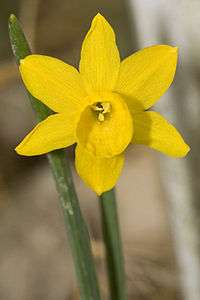
- flower
- 1595, Luís Vaz de Camões, Rimas, Num bosque que das Ninfas se habitava:
- As amarellas flores apanhaua
- The yellow flowers there was gathering
- As amarellas flores apanhaua
- 1595, Luís Vaz de Camões, Rimas, Num bosque que das Ninfas se habitava:
Quotations
For quotations of use of this term, see Citations:flor.
Derived terms
Related terms
Romanian
Etymology
Pronunciation
- IPA(key): /flor/
Adjective
flor m, n (feminine singular floară, masculine plural flori, feminine and neuter plural floare)
Declension
Synonyms
Spanish
Etymology
From Old Spanish flor, from Latin flōrem, singular accusative of flōs, from Proto-Italic *flōs, from Proto-Indo-European *bʰleh₃- (“flower, blossom”), from *bʰel- (“to bloom”).
Pronunciation
- IPA(key): /ˈfloɾ/
Noun
flor f (plural flores)
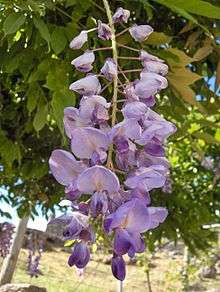
- flower (structure in angiosperms)
- bloom, blossom (an expanded bud)
- (figuratively) best, finest, pick
- Flor de harina.
- Finest flour.
- En la flor de la vida.
- In the prime of life.
- compliment, flattery
Synonyms
xóchil (poetic, Mexico, dialectal)
Derived terms
Related terms
External links
- “flor” in Diccionario de la lengua española, Vigésima tercera edición, Real Academia Española, 2014.
Turkish
| Chemical element | |
|---|---|
| F | Previous: oksijen (O) |
| Next: neon (Ne) | |
Etymology
Pronunciation
- IPA(key): [floɾ]
- Hyphenation: flor
Noun
flor (definite accusative floru, plural florlar)
- fluorite (chemical element)
Declension
| Inflection | ||
|---|---|---|
| Nominative | flor | |
| Definite accusative | floru | |
| Singular | Plural | |
| Nominative | flor | florlar |
| Definite accusative | floru | florları |
| Dative | flora | florlara |
| Locative | florda | florlarda |
| Ablative | flordan | florlardan |
| Genitive | florun | florların |
Volapük
Noun
flor (plural flors)