bubo
English

Etymology
From Medieval Latin būbō, from Ancient Greek βουβών (boubṓn, “groin, swelling”).
Pronunciation
- (Received Pronunciation) IPA(key): /ˈbjuː.bəʊ/
- (General American) IPA(key): /ˈbu.boʊ/, /ˈbju.boʊ/
- Rhymes: -uːbəʊ
Noun
bubo (plural buboes)
- (pathology) An inflamed swelling of a lymph node, especially in the armpit or the groin, due to an infection such as bubonic plague, gonorrhea, tuberculosis or syphilis.
Derived terms
Translations
Cebuano
Pronunciation
- Hyphenation: bu‧bo
Verb
bubo
- to pour
- to douse; to put out; to extinguish
Noun
bubo
- a fish trap made of woven bamboo
Esperanto
Etymology
Pronunciation
- IPA(key): /ˈbubo/
- Hyphenation: bu‧bo
- Rhymes: -ubo
Noun
bubo (accusative singular bubon, plural buboj, accusative plural bubojn)
Hypernyms
Hyponyms
- bubaĉo (“rascal, rogue”)
- bubino (“female urchin”)
See also
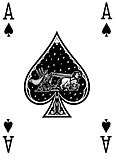
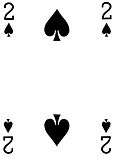
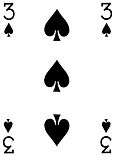
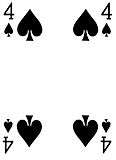
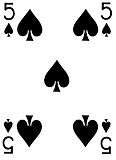
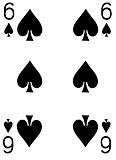
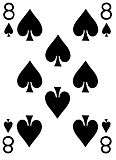
| Playing cards in Esperanto · ludkartoj (layout · text) | ||||||
|---|---|---|---|---|---|---|
 |
 |
 |
 |
 |
 |
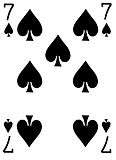 |
| aso | duo | trio | kvaro | kvino | seso | sepo |
 |
 |
 |
 |
 |
 |
 |
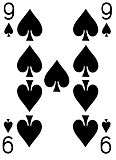
| oko | naŭo | deko | fanto, bubo | damo | reĝo | ĵokero |
Ido
Etymology
Noun
bubo (plural bubi)
Hypernyms
Hyponyms
- bubacho (“rascal, rogue”)
- bubulo (“male urchin”)
- bubino (“female urchin”)
Latin
Etymology 1
From Proto-Indo-European *b(e)u (“owl”), see also Ancient Greek βύας (búas), Bulgarian буч (buč), Old Armenian բուէճ (buēč), and North Persian بوم (bum). The Indo-European root is onomatopoeic and was borrowed into Semitic languages such as Arabic بُوم (būm) and Classical Syriac ܒܐܘܐ (baʾwāʾ) and Caucasian languages such as Old Georgian ბუვი (buvi), Chechen бухӏа (buha), and Aghul бу́гьу.[1]
Alternative forms
- *būfo (Vulgar Latin)
Pronunciation
- (Classical) IPA(key): /ˈbuː.boː/
Noun
būbō m (genitive būbōnis); third declension
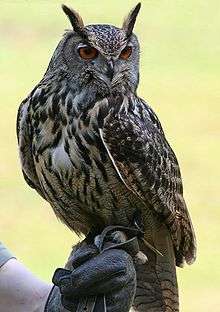
- an owl, especially the Eurasian eagle owl, Bubo bubo.
Usage notes
Nearly always masculine, but used once as a feminine noun by Virgil in Aeneis IV:462:
- hinc exaudiri voces et verba vocantis
- visa viri, nox cum terras obscura teneret,
- solaque culminibus ferali carmine bubo
- saepe queri et longas in fletum ducere voces;
Inflection
Third declension.
| Case | Singular | Plural |
|---|---|---|
| nominative | būbō | būbōnēs |
| genitive | būbōnis | būbōnum |
| dative | būbōnī | būbōnibus |
| accusative | būbōnem | būbōnēs |
| ablative | būbōne | būbōnibus |
| vocative | būbō | būbōnēs |
Derived terms
Descendants
References
- ↑ Encyclopedia of Indo-European Culture, Mallory, Adams
Etymology 2
Medieval Latin; from Ancient Greek βουβών (boubṓn, “groin, swelling”).
Pronunciation
- (Classical) IPA(key): /ˈbuː.boː/
Noun
būbō m (genitive būbōnis); third declension
- (Medieval Latin) Alternative form of būbōnēs
Etymology 3
From būtiō (“bittern”)
Pronunciation
- (Classical) IPA(key): /ˈbu.boː/, [ˈbʊ.boː]
Verb
bubō (present infinitive bubere); third conjugation, no perfect or supine forms
References
- bubo in Charlton T. Lewis and Charles Short (1879) A Latin Dictionary, Oxford: Clarendon Press
- bubo in Charlton T. Lewis (1891) An Elementary Latin Dictionary, New York: Harper & Brothers
- bubo in Charles du Fresne du Cange’s Glossarium Mediæ et Infimæ Latinitatis (augmented edition, 1883–1887)
- bubo in Gaffiot, Félix (1934) Dictionnaire Illustré Latin-Français, Hachette
- bubo in Harry Thurston Peck, editor (1898) Harper's Dictionary of Classical Antiquities, New York: Harper & Brothers