蚓
| ||||||||
Translingual
Han character
蚓 (radical 142 虫+4, 10 strokes, cangjie input 中戈弓中 (LINL), four-corner 52100, composition ⿰虫引)
References
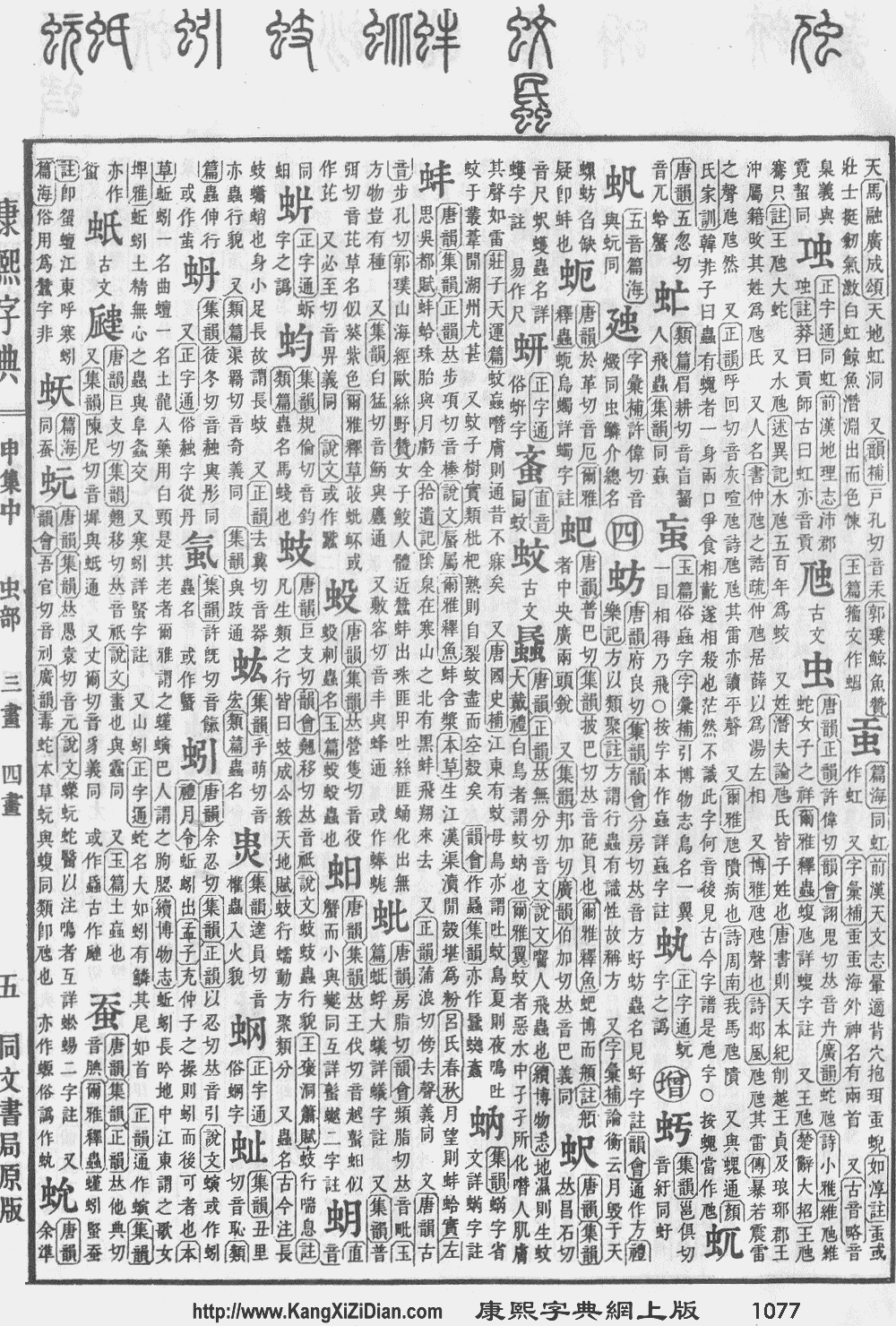
- KangXi: page 1077, character 35
- Dai Kanwa Jiten: character 32866
- Dae Jaweon: page 1546, character 29
- Hanyu Da Zidian: volume 4, page 2841, character 2
- Unihan data for U+8693
Chinese
| simp. and trad. |
蚓 | |
|---|---|---|
| alt. forms | 螾 | |
Glyph origin
| Characters in the same phonetic series (引) (Zhengzhang, 2003) | |
|---|---|
| Old Chinese | |
| 紖 | *l'inʔ |
| 矧 | *hlinʔ |
| 訠 | *hlinʔ |
| 弞 | *hlinʔ, *linʔ |
| 引 | *linʔ, *lins |
| 蚓 | *linʔ |
| 鈏 | *linʔ, *lins |
| 靷 | *linʔ, *lins |
Phono-semantic compound (形聲, OC *linʔ) : semantic 虫 (“insect; worm”) + phonetic 引 (OC *linʔ, *lins).
Etymology
From Proto-Sino-Tibetan *zril (“worm”); cognate with Tibetan སྲིལ (sril, “silkworm”).
Pronunciation
Definitions
蚓
Synonyms
Compounds
|
|
|
Japanese
Kanji
蚓
Readings
Compounds
Korean
Hanja
蚓 • (in) (hangeul 인, revised in, McCune–Reischauer in, Yale in)
Synonyms
Compounds
This article is issued from
Wiktionary.
The text is licensed under Creative Commons - Attribution - Sharealike.
Additional terms may apply for the media files.