囲
| ||||||||
Translingual
| Traditional | 圍 |
|---|---|
| Shinjitai | 囲 |
| Simplified | 围 |
Etymology
Han character
囲 (radical 31, 囗+4, 7 strokes, cangjie input 田廿廿 (WTT), composition ⿴囗井)
References
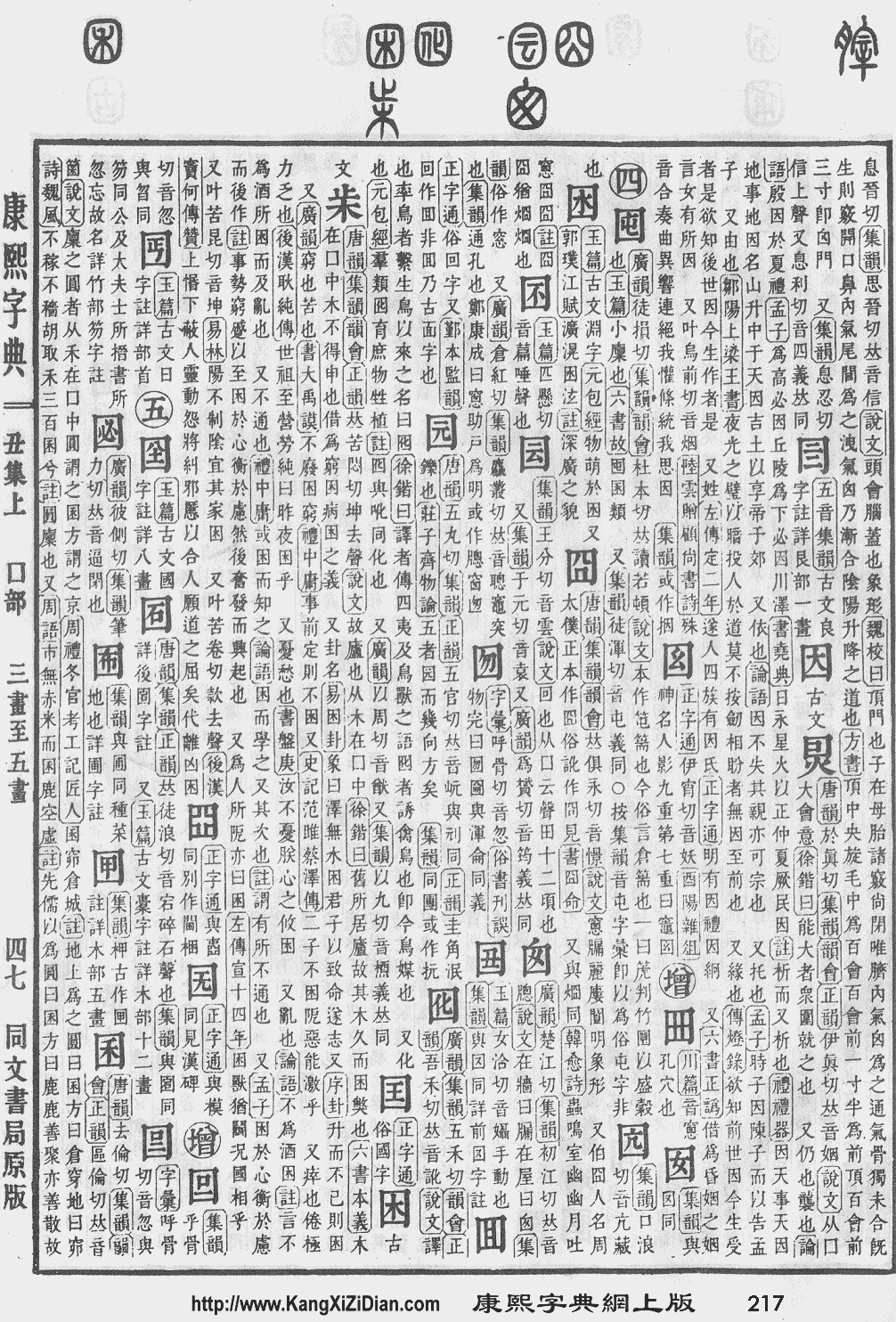
- KangXi: not present, would follow page 217, character 25
- Dai Kanwa Jiten: character 4722
- Dae Jaweon: page 445, character 5
- Hanyu Da Zidian: volume 1, page 714, character 1
- Unihan data for U+56F2
Japanese
| 囲 | |
| 圍 |
Kanji
囲
(grade 4 “Kyōiku” kanji, shinjitai kanji, kyūjitai form 圍)
Readings
As shinjitai form of 圍:
- Goon: え (e)←ゑ (we, historical)
- Kan’on: い (i, Jōyō)←ゐ (wi, historical)
- Kun: かこむ (kakomu, 囲む, Jōyō); かこい (kakoi, 囲い)←かこひ (kakofi, historical); かこう (kakou, 囲う, Jōyō)←かこふ (kakofu, historical)
As original character:
Compounds
- 囲碁 (Igo)
Korean
Hanja
囲 • (wi) (hangeul 위, revised wi, McCune–Reischauer wi, Yale wi)
This article is issued from
Wiktionary.
The text is licensed under Creative Commons - Attribution - Sharealike.
Additional terms may apply for the media files.