он
Adyghe
Alternative forms
- уэн (wăn) (Kabardian)
Pronunciation
- IPA(key): [wan]
Verb
он • (on) (??? please indicate transitivity!)
- to hit someone or something physically and directly (not by throwing for example)
- кӏалэр дэпкъым ео
- č̣̍ālăr dăpqəm eo
- the boy is hitting the wall. (transitive)
- усэоныу уфая? — do you want me to hit you? (transitive)
- Кӏалэм уемэу — Don't hit the boy. (transitive)
- А кӏалэхэр къуотых — Those boys will hit you. (transitive)
- Кӏалэр мао — The boy is hitting. (intransitive)
-
- to eat with gusto
- нэкӏо пицэ ткъеот — let's eat a pizza! (with gusto) (transitive)
- пицэ укъеота? — are you going to eat a pizza? (with gusto) (transitive)
- кӏалэр пицэ ео — The boy is eating a pizza (with gusto) (transitive)
- to play music
- кIалэр гитарым къео — the boy is playing the guitar (transitive)
- пяноуым шъукъеуа? — do you (plural) play the piano? (transitive)
- пшынэм еу — Play the accordion. (transitive)
- to shake (milk)
- to shoot (кӏэрахъомкӏэ еон)
- кӏалэр кӏэрахъомкӏэ ео тгъужъым — the boy is shooting the wolf with the gun. (transitive)
- to spend money thriftily
- to sting
- to weed
- to smoke
- лӏэр хьащищ ео — The man is smoking Hashish. (transitive)
- (mathematics) to multiply
- щым плӏыкӏэ уеомэ пшӏыкӏутӏу къычӏэкьижьыт — If you multiply three times four it will make twelve. (transitive)
Conjugation
Transitive:
conjugation
| singular | plural | ||||||
|---|---|---|---|---|---|---|---|
| 1st person | 2nd person | 3rd person | 1st person | 2nd person | 3rd person | ||
| to me (къысешӏэ) | to you (къуешӏэ) | to him (решӏэ) | to us (къытешӏэ) | to you (къышъуешӏэ) | to them (ярешӏэ) | ||
| singular 1st person | present | сызэо | усэо | сео | - | шъусэо | сао |
| past | сызэуагъ | усэуагъ | сеуагъ | - | шъусэуагъ | сауагъ | |
| future | сызэощт | усэощт | сеощт | - | шъусэощт | саощт | |
| singular 2st person | present | укъысэо | узэо | уео | укъытэо | - | уао |
| past | укъысэуагъ | узэуагъ | уеуагъ | укъытэуагъ | - | уауагъ | |
| future | укъысэощт | узэощт | уеощт | укъытэощт | - | уаощт | |
| singular 3st person | present | къысэо | къоо | ео | къытэо | къышъоо | яо |
| past | къысэуагъ | къоуагъ | еуагъ | къытэуагъ | къышъоуагъ | яуагъ | |
| future | къысэощт | къоощт | еощт | къытэощт | къышъоощт | яощт | |
| plural 1st person | present | - | утэо | тео | тызэо | шъутэо | тао |
| past | - | утэуагъ | теуагъ | тызэуагъ | шъутэуагъ | тауагъ | |
| future | - | утэощт | теощт | тызэощт | шъутэощт | таощт | |
| plural 2st person | present | шъукъысэо | - | шъео | шъукъытэо | шъузэо | шъуао |
| past | шъукъысэуагъ | - | шъеуагъ | шъукъытэуагъ | шъузэуагъ | шъуауагъ | |
| future | шъукъысэощт | - | шъеощт | шъукъытэощт | шъузэощт | шъуаощт | |
| plural 3st person | present | къысэох | къоох | еох | къытэох | къышъоох | яох |
| past | къысэогъэх | къоогъэх | еогъэх | къытэогъэх | къышъоогъэх | яогъэх | |
| future | къысэощтых | къоощтых | еощтых | къытэощтых | къышъоощтых | яощтых | |
Intransitive:
conjugation
| monovalent | |||||||
|---|---|---|---|---|---|---|---|
| subject | singular | plural | |||||
| 1st person | 2nd person | 3rd person | 1st person | 2nd person | 3rd person | ||
| сэо | оо | мао | тэо | шъоо | маох | ||
| bivalent | |||||||
subject object |
singular | plural | |||||
| 1st person | 2nd person | 3rd person | 1st person | 2nd person | 3rd person | ||
| singular | 1st person | сызэуажьы | укъысэуа | къысэуа | - | шъукъысэуа | къысэуах |
| 2nd person | усэуа | узэуажьы | къыоуа | утэуа | - | къыоуах | |
| 3rd person | сеуа | уеуа | еуа | теуа | шъуеуа | еуах | |
| plural | 1st person | - | укъытэуа | къытэуа | тызэуажьы | шъукъытэуа | къытэуах |
| 2nd person | шъусэуа | - | къышъоуа | шъутэуа | шъузэуажьы | къышъоуах | |
| 3rd person | сауа | уауа | ауа | тауа | шъуауа | ауах | |
See also
Azerbaijani
| Other scripts | |
|---|---|
| Cyrillic | он |
| Roman | on |
| Perso-Arabic | |
Etymology
From Proto-Turkic *ōn (“ten”). Cognate with Old Turkic [script needed] (on, “ten”).
Numeral
он
Bashkir
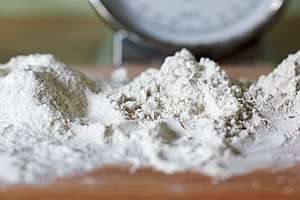
Он.
Etymology
From Proto-Turkic *ūn (“flour”).
Cognate with Kazakh ұн (un, “flour”), Kyrgyz ун (un, “flour”), Uzbek un (“flour”), Khakas ун (un, “flour”), Turkish un (“flour”).
Pronunciation
- IPA(key): /ʊ̞n/
- Hyphenation: он (one syllable)
Noun
он • (on)
- flour
- Арыш оно.
- Arïš ono.
- Rye flour.
- Табаҡҡа биш йомортҡа һытығыҙ, ондо ҡушып болғағыҙ.
- Tabaqqa biš yomortqa hïtïğïð, ondo qušïp bolğağïð.
- Crack five eggs into the bowl, add flour and stir.
-
Declension
Inflection of он (on)
Karachay-Balkar
Numeral
он • (on)
Kazakh
| < 9 | 10 | 11 > |
|---|---|---|
| Cardinal : он (on) Ordinal : оныншы (onınşı) | ||
Etymology
From Old Turkic 𐰆𐰣 (on, “ten”), from Proto-Turkic *ōn (“ten”). Cognates include Turkish on.
Numeral
он • (on)
Khakas
Numeral
он • (on)
Komi-Permyak
Etymology
From Proto-Finno-Ugric *adema.
Noun
он • (on)
Kyrgyz
| < 9 | 10 | 11 > |
|---|---|---|
| Cardinal : он (on) | ||
Numeral
он • (on)
Mongolian
Noun
он • (on)
See also
- жил (žil)
Russian
Etymology
From Old East Slavic онъ (onŭ), from Proto-Slavic *onъ.
Pronunciation
- IPA(key): [on]
-
Audio (file)
Pronoun
он • (on) (feminine она́, neuter оно́)
Usage notes
- Whenever a preposition stands immediately before any of the oblique cases of the third-person pronoun (singular or plural) and directly governs it, then an н- must be prefixed to the pronoun: от него́ (ot nevó) (from him), на нём (na njom) (on him), у него́ (u nevó) (he has), к нему́ (k nemú) (to him), с ним (s nim) (with him).
- The explanation for the н-prothesis is that, originally, some Russian prepositions ended in the letter -н: сън (sŭn, “with”...cf. Greek σύν (σύν), Latin cum). Eventually, the final н of these prepositions migrated across to the pronoun, so that сън им became modern с ним (s nim), and then this was extended to include all prepositions when governing any third-person pronoun.
- Note that if the preposition does not directly govern его́ (jevó) (i.e., when его is a possessive pronoun), then н- is not prefixed: у его́ бра́та (u jevó bráta) (at his brother’s), о его́ ма́тери (o jevó máteri) (about his mother), в его́ ко́мнате (v jevó kómnate) (in his room).
- When there is another word separating a preposition and any oblique case of он, the н- is not added: у самого́ его́ (u samovó jevó) (with him himself).
Declension
Declension of Russian personal pronouns
| singular | plural | reflexive | |||||||||
|---|---|---|---|---|---|---|---|---|---|---|---|
| 1st person | 2nd person | 3rd person | 1st person | 2nd person | 3rd person | ||||||
| m | n | f | |||||||||
| nominative | я (ja) |
ты (ty) |
он (on) |
оно́ (onó) |
она́ (oná) |
мы (my) |
вы (vy) |
они́ (oní) |
|||
| genitive | меня́ (menjá) |
тебя́ (tebjá) |
его́, него́1 2 (jevó, nevó1 2) |
её, неё1 (jejó, nejó1) |
нас (nas) |
вас (vas) |
их, них1 (ix, nix1) |
себя́ (sebjá) | |||
| dative | мне (mne) |
тебе́ (tebé) |
ему́, нему́1 (jemú, nemú1) |
ей, ней1 (jej, nej1) |
нам (nam) |
вам (vam) |
им, ним1 (im, nim1) |
себе́ (sebé) | |||
| accusative | меня́ (menjá) |
тебя́ (tebjá) |
его́, него́1 2 (jevó, nevó1 2) |
её, неё1 (jejó, nejó1) |
нас (nas) |
вас (vas) |
их, них1 (ix, nix1) |
себя́ (sebjá) | |||
| instrumental | мной, мно́ю4 (mnoj, mnóju4) |
тобо́й, тобо́ю4 (tobój, tobóju4) |
им, ним1 (im, nim1) |
ей, е́ю4, ней1, не́ю1 4 (jej, jéju4, nej1, néju1 4) |
на́ми (námi) |
ва́ми (vámi) |
и́ми, ни́ми1 (ími, ními1) |
собо́й, собо́ю4 (sobój, sobóju4) | |||
| prepositional3 | мне (mne) |
тебе́ (tebé) |
нём1 (njom1) |
ней1 (nej1) |
нас (nas) |
вас (vas) |
них1 (nix1) |
себе́ (sebé) | |||
| |||||||||||
Related terms
Rusyn
Etymology
From Old East Slavic онъ (onŭ), from Proto-Slavic *onъ.
Pronoun
он • (on) (feminine вна́, neuter вно́)
- he
- Ани он, ани его сочасникы не поважовали тогочасный церковнославянскый язык за чужородный.
- Any on, any eho sočasnykŷ ne považovaly tohočasnŷj cerkovnoslavjanskŷj jazŷk za čužorodnŷj.
- He or his contemporaries did not consider Church Slavon of that time as a foreign language.
-
Related terms
- ёго́ (jogó)
- свій (svij)
Serbo-Croatian
Pronunciation
- IPA(key): /ôːn/
Pronoun
о̑н (Latin spelling ȏn)
Declension
Inflection of 3rd-person pronouns
| Singular | Plural | |||||
|---|---|---|---|---|---|---|
| Masculine | Feminine | Neuter | Masculine | Feminine | Neuter | |
| nominative | о̑н | о̀на | о̀но | о̀ни | о̀не | о̀на |
| genitive | ње̏га, га | ње̑, је | ње̏га, га | њи̑х, их | њи̑х, их | њи̑х, их |
| dative | ње̏му, му | њо̑ј, јој | ње̏му, му | њи̏ма, им | њи̏ма, им | њи̏ма, им |
| accusative | ње̏га, га, њ | њу̑, ју, је, њу | ње̏га, га, њ | њи̑х, их | њи̑х, их | њи̑х, их |
| vocative | — | — | — | — | — | — |
| locative | ње̏м, ње̏му | њо̑ј | ње̏м, ње̏му | њи̏ма | њи̏ма | њи̏ма |
| instrumental | њи̑м, њи́ме | њо̑м, њо́ме | њи̑м, њи́ме | њи̏ма | њи̏ма | њи̏ма |
Tajik
Pronunciation
- IPA(key): /ɔːn/
Determiner
| Dari Persian | آن |
|---|---|
| Iranian Persian | آن |
| Tajiki Persian | он (on) |
он • (on)
Pronoun
| Dari Persian | آن |
|---|---|
| Iranian Persian | آن |
| Tajiki Persian | он (on) |
он • (on)
This article is issued from
Wiktionary.
The text is licensed under Creative Commons - Attribution - Sharealike.
Additional terms may apply for the media files.