plaque
English
Etymology
Borrowed from French plaque, derivative of plaquer (“to plate”), from Middle Dutch placken (“to patch, beat metal into a thin plate”), from placke (“disk, patch, stain”), from Old Dutch *plagga (“patch”), from Proto-Germanic *plaggą (“patch”). Cognate with Middle Low German placke, plagge (“small stain, scraps, rags, thin grass”), German Placken (“spot, patch”), Saterland Frisian plak, plakke (“a blow, slap”), Swedish plagg (“clothing, garment”). See plack.
Pronunciation
- (General Australian) IPA(key): /plaːk/
- Rhymes: -aːk
- (Received Pronunciation) IPA(key): /plɑːk/
- Rhymes: -ɑːk
- (General American) IPA(key): /plæk/
Audio (US) (file) - Rhymes: -æk
- (Northern England, Scotland) IPA(key): /plak/
- Rhymes: -ak
Noun
plaque (countable and uncountable, plural plaques)
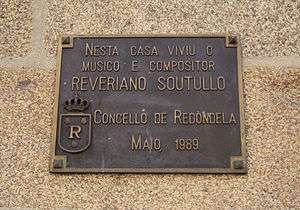
Plaque (sense 2)
- Any flat, thin piece of metal, clay, ivory, or the like, used for ornament, or for painting pictures upon, as a slab, plate, dish, or the like, hung upon a wall; also, a smaller decoration worn on the person, as a brooch.
- A piece of flat metal with a writing on it, attached to a building to remind people of a person or an event.
- Any flat, thin musical instrument.
- concussion plaques; blown plaques
- (uncountable) An accumulation of biofilm, or bacteria on teeth.
- (uncountable, medicine) Atheroma, an accumulation in artery walls made up of macrophage cells and debris containing lipids, (cholesterol and fatty acids), calcium, and connective tissue.
- 2013 July-August, Stephen P. Lownie, David M. Pelz, “Stents to Prevent Stroke”, in American Scientist:
- As we age, the major arteries of our bodies frequently become thickened with plaque, a fatty material with an oatmeal-like consistency that builds up along the inner lining of blood vessels. The reason plaque forms isn’t entirely known, but it seems to be related to high levels of cholesterol inducing an inflammatory response, which can also attract and trap more cellular debris over time.
-
- (biology) A clearing in a bacterial lawn caused by a virus.
Translations
flat, thin piece of metal or other material
piece of metal put on a wall to remind of a person or event
accumulation of bacteria on teeth
biology: clearing in a bacterial lawn caused by a virus
atheroma
- The translations below need to be checked and inserted above into the appropriate translation tables, removing any numbers. Numbers do not necessarily match those in definitions. See instructions at Wiktionary:Entry layout#Translations.
See also

French
Etymology
From Middle Dutch placken (“to patch, beat metal into a thin plate”), from placke (“disk, patch, stain”), from *Old Dutch plagga (“patch”), from Proto-Germanic *plaggą (“patch”).
Pronunciation
- IPA(key): /plak/
Audio (file)
Noun
plaque f (plural plaques)
- sheet, plate (of metal)
- slab (of marble)
- plaque (bacteria on teeth)
- plaque, slab (ornamental)
- (casino) chip
- (electrics, photography) plate
- (geology) plate (especially a tectonic plate)
- slab, bar (of e.g. chocolate)
- (slang) 10,000 francs
- (Cooking; gas, electric) burner (US), ring (Britain)
Derived terms
Terms related from the noun "plaque"
- contreplacage
- contreplaquer
- placage
- placard
- placarder
- plaque d'égout
- plaque d'immatriculation
- plaque de four
- plaque de plâtre
- plaque tectonique
- plaquer
- plaquette
Verb
plaque
Further reading
- “plaque” in le Trésor de la langue française informatisé (The Digitized Treasury of the French Language).
This article is issued from
Wiktionary.
The text is licensed under Creative Commons - Attribution - Sharealike.
Additional terms may apply for the media files.