pis
English
Noun
pis
- plural of pi
Anagrams
Albanian
Etymology
From Proto-Albanian *peitsa, from Proto-Indo-European *peik/k̑- (“to hate, be hostile”). Close to Lithuanian piktas (“evil”), Latin piget (“he is annoying”), Old English fāh (“hostile”), English foe.
Adjective
pis m (feminine pise)
Azerbaijani
| Other scripts | |
|---|---|
| Cyrillic | пис |
| Roman | pis |
| Perso-Arabic | پیس |
Etymology
Probably from Persian پیس (“stained, wrinkled, leprous”) (archaic)[1], whence also Turkish pis (“filthy”), and Northern Kurdish pîs (“dirty”).
Pronunciation
- IPA(key): [pis]
Adjective
pis (comparative daha pis, superlative ən pis)
- bad
- naughty, dirty
- Gecə yatmamışdan əvvəl pis-pis kinolara baxıblar yəqin. [2]
- They must have been watching some naughty movies before they went to sleep
Derived terms
- pislik (“misdoing, evil, harm”)
- pisləmək (“to condemn”)
- pisləşmək (“to get worse, to deteriorate”)
References
Catalan
Etymology
Pronunciation
Noun
pis m (plural pisos)
Dutch
Pronunciation
- IPA(key): /pɪs/
Audio (file) - Rhymes: -ɪs
Noun
pis m (uncountable)
- (vulgar) piss
- (vulgar, slang) cheap beer
Verb
pis
French
Pronunciation
- IPA(key): /pi/
audio (file)
Etymology 1
From Old French pis, peis, from Latin pēius, from pēior.
Adverb
pis
Derived terms
|
|
Related terms
Etymology 2
From Old French piz, peiz (“chest”), inherited from Latin pectus, from Proto-Italic *pektos, ultimately from Proto-Indo-European *peg (“breast”). The original meaning of "chest" underwent a semantic shift, as the word was gradually replaced by poitrine in that sense.
Noun
pis m (plural pis)
Related terms
Etymology 3
Syncope of puis.
Alternative forms
Conjunction
pis
- (Quebec, Acadian, Louisiana, colloquial) and, besides.
- 1996, Chrystine Brouillet, C'est pour mieux t'aimer, mon enfant, →ISBN, page 78:
- "Je suis habituée, protesta-t-elle. Pis j'ai pas besoin d'un père pour me faire la morale." — I'm used to it, she protested. And I don't need a father to lecture me
-
Anagrams
Further reading
- “pis” in le Trésor de la langue française informatisé (The Digitized Treasury of the French Language).
Irish
Etymology
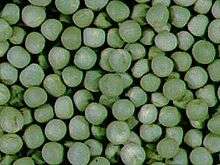
Borrowed from Late Latin pisa, variant of Latin pisum (“pea”), from Ancient Greek πίσον (píson), variant of πίσος (písos).
Pronunciation
- IPA(key): /pʲɪʃ/
Noun
pis f (genitive singular pise, nominative plural piseanna)
Declension
Second declension
|
Bare forms
|
Forms with the definite article
|
Mutation
| Irish mutation | ||
|---|---|---|
| Radical | Lenition | Eclipsis |
| pis | phis | bpis |
| Note: Some of these forms may be hypothetical. Not every possible mutated form of every word actually occurs. | ||
Lithuanian
Verb
pis
Norman
Noun
pis m pl
- plural of pi
Spanish
Pronunciation
- IPA(key): /pis/
Noun
pis m (plural pis)
Tok Pisin
Etymology
Noun
pis
- fish
- 1989, Buk Baibel long Tok Pisin, Bible Society of Papua New Guinea, Genesis 1:21 (translation here):
- Orait God i mekim kamap ol traipela pis na snek bilong solwara, na ol arapela kain samting bilong solwara, na ol kain kain pisin.
- 1989, Buk Baibel long Tok Pisin, Bible Society of Papua New Guinea, Genesis 1:21 (translation here):
Turkish
Adjective
pis (comparative daha pis, superlative en pis)