mund
English
Etymology
From Old English mund, from Proto-Germanic *mundō (“hand, protection, security”).
Pronunciation
- IPA(key): /mʊnd/, /mʌnd/
Noun
mund (plural munds)
- (obsolete) A hand.
- (obsolete) security, granted by a king or earl, the violation of which was punished by a fine (a mundbyrd)
- Protection, guardianship.
Derived terms
Anagrams
Albanian
Etymology 1
Probably from Proto-Indo-European *mendh (“to pay attention to, be vivacious”). Compare Old Norse munda (“aim, strive”), Gothic mundon (mundon, “look up”), Old High German muntar (“keen, eager”), Ancient Greek μανθάνω (manthánō, “learn”), Lithuanian mañdras (“alert, awake, smart, minxish”).
Pronunciation
- IPA(key): /mʊnd/
Noun
mund m
Derived terms
Related terms
Etymology 2
From Proto-Albanian *māK(e)nT-, from Proto-Indo-European *magʰ- (“can, to be able (to do)”). Cognate to Lithuanian mokė́ti (“to be able”), Gothic magan (magan, “to be able, have power”), Old Church Slavonic мошти (mošti, “to be able”). Alternatively from Proto-Indo-European *men(s)-dʰ(e)h₂ (“to learn”).
Pronunciation
- IPA(key): /mʊnd/
Verb
mund (first-person singular past tense munda, participle mundur)
Inflection
| participle (pjesorja) |
mundur | ||||||
|---|---|---|---|---|---|---|---|
| gerund — present (përcjellorja — koha e tashme) |
duke mundur | ||||||
| gerund — past (përcjellorja — koha e kryer) |
duke pasë mundur | ||||||
| infinitive (paskajorja) |
për të mundur | ||||||
| singular (numri njëjës) |
plural (numri shumës) | ||||||
| 1st person (veta e parë) |
2nd person (veta e dytë) |
3rd person (veta e tretë) |
1st person (veta e parë) |
2nd person (veta e dytë) |
3rd person (veta e tretë) | ||
| indicative (mënyra dëftore) |
unë | ti | ai/ajo | ne | ju | ata/ato | |
| present (koha e tashme) |
mund/mundi | mund/mundë | mund/mundë | mundim | mundni | mundin | |
| imperfect (koha e pakryer) |
mundja/mundsha | mundje/mundshe | mundte | mundnim/mundshim | mundnit/mundshit | mundnin/mundshin | |
| simple past (koha e kryer e thjeshtë) |
munda | munde | mundi | mundëm | mundët | mundën | |
| perfect (koha e kryer) |
kam mundur | ke mundur | ka mundur | kemi mundur | keni mundur | kanë mundur | |
| pluperfect (koha e kryer e tejshkuar) |
pata mundur | pate mundur | pati mundur | patëm mundur | patët mundur | patën mundur | |
| future (koha e ardhme) |
do të mund | do të mundësh | do të mundë | do të mundim | do të mundni | do të mundin | |
| future perfect (koha e ardhme e përparme) |
do të kem mundur | do të kesh mundur | do të ketë mundur | do të kemi mundur | do të keni mundur | do të kenë mundur | |
| subjunctive (mënyra lidhore) |
unë | ti | ai/ajo | ne | ju | ata/ato | |
| present (koha e tashme) |
të mund | të mundësh | të mundë | të mundim | të mundni | të mundin | |
| past (koha e pakryer) |
të mundja/mundsha | të mundje/mundshe | të mundte | të mundnim/mundshim | të mundnit/mundshit | të mundnin/mundshin | |
| perfect (koha e kryer) |
të kem mundur | të kesh mundur | të ketë mundur | të kemi mundur | të keni mundur | të kenë mundur | |
| pluperfect (koha e kryer e tejshkuar) |
të kisha mundur | të kishe mundur | të kishte mundur | të kishim mundur | të kishit mundur | të kishin mundur | |
| conditional (mënyra kushtore) |
unë | ti | ai/ajo | ne | ju | ata/ato | |
| present (koha e tashme) |
do të mundja/mundsha | do të mundje/mundshe | do të mundte | do të mundnim/mundshim | do të mundnit/mundshit | do të mundnin/mundshin | |
| perfect (koha e kryer) |
do të kisha mundur | do të kishe mundur | do të kishte mundur | do të kishim mundur | do të kishit mundur | do të kishin mundur | |
| optative (mënyra dëshirore) |
unë | ti | ai/ajo | ne | ju | ata/ato | |
| present (koha e tashme) |
mundsha | mundsh | mundtë | mundshim | mundshit | mundshin | |
| perfect (koha e kryer) |
paça mundur | paç mundur | pastë mundur | paçim mundur | paçit mundur | paçin mundur | |
| admirative (mënyra habitore) |
unë | ti | ai/ajo | ne | ju | ata/ato | |
| present (koha e tashme) |
mundkam | mundke | mundka | mundkemi | mundkeni | mundkan | |
| imperfect (koha e pakryer) |
mundkësha | mundkëshe | mundkësh | mundkëshim | mundkëshit | mundkëshin | |
| perfect (koha e kryer) |
paskam mundur | paske mundur | paska mundur | paskemi mundur | paskeni mundur | paskan mundur | |
| pluperfect (koha e kryer) |
paskësha mundur | paskëshe mundur | paskësh mundur | paskëshim mundur | paskëshit mundur | paskëshin mundur | |
| imperative (mënyra urdhërore) |
— | ti | — | — | ju | — | |
| mund | mundni | ||||||
Related terms
Danish
Etymology
From Old Norse muðr, munnr, from Proto-Germanic *munþaz.
Pronunciation
- IPA(key): /mon/, [mɔnˀ]
Noun
mund c (singular definite munden, plural indefinite munde)
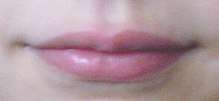
- mouth (the opening of an animal through which food is ingested)
Inflection
See also

Verb
mund
- imperative of munde
Icelandic
Pronunciation
- IPA(key): /mʏnt/
- Rhymes: -ʏnt
Etymology 1
From Old Norse mund, from Proto-Germanic *mundō.
Noun
mund f (genitive singular mundar, nominative plural mundir)
- (poetic) hand
Declension
Synonyms
- (hand): hönd
Derived terms
- morgunstund gefur gull í mund (“the early bird catches the worm”)
Etymology 2
Related to Old Norse munda (“to aim, to strive”), Old High German muntar (“keen, eager”).
Noun
mund f (genitive singular mundar, nominative plural mundir) or mund n (genitive singular munds, nominative plural mund)
- Used only in set phrases.
Declension
or
Derived terms
- í sömu mund/í sama mund (“at the same time”)
- um þær mundir (“in those days, around that time”)
Related terms
Norwegian Bokmål
Etymology
From Old Norse muðr, munnr, from Proto-Germanic *munþaz.
Noun
mund
Inflection
| singular | plural | |
|---|---|---|
| indefinite | mund | munder |
| definite | munden | mundene |
Old Dutch
Etymology
From Proto-Germanic *munþaz.
Noun
mund m
Descendants
Old English
Etymology
From Proto-Germanic *mundō.
Pronunciation
- IPA(key): /mund/
Noun
mund f (nominative plural munda or munde)
Declension
Derived terms
Descendants
Old French
Etymology
Noun
mund m (oblique plural munz or muntz, nominative singular munz or muntz, nominative plural mund)
- the world
Old High German
Noun
mund m
Declension
Old Norse
Etymology
From Proto-Germanic *mundō (“hand”). Further cognates see there.
Noun
mund f
Descendants
- Icelandic: mund
References
- mund in Geir T. Zoëga (1910) A Concise Dictionary of Old Icelandic, Oxford: Clarendon Press
Romansch
Alternative forms
Etymology
Noun
mund m (plural munds)