jolly
See also: Jolly
English
Etymology
From Middle English joli, jolif (“merry, cheerful”), from Old French joli, jolif (“merry, joyful”)[1] It is uncertain whether the Old French word is from Old Norse jól ("a midwinter feast, Yule", hence "fest-ive") [2], in which case, equivalent to yule + -ive; or ultimately from Latin gaudeō (see etymology at joy). For the loss of final -f compare tardy, hasty, hussy, etc.
Pronunciation
- (Received Pronunciation) IPA(key): /ˈdʒɒli/
- (General American) IPA(key): /ˈdʒɑli/
- Rhymes: -ɒli
- Hyphenation: jol‧ly
Adjective
jolly (comparative jollier, superlative jolliest)
Derived terms
Terms derived from jolly
Translations
jovial — see jovial
Noun
jolly (plural jollies)
Adverb
jolly (comparative more jolly, superlative most jolly)
Derived terms
Verb
jolly (third-person singular simple present jollies, present participle jollying, simple past and past participle jollied)
Derived terms
References
- JOLLY in the 1911 Encyclopedia Britannica, vol. 15, p. 495.
Italian
Etymology
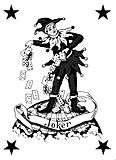
From English jolly joker, an older name for the joker card in a deck of cards.
Pronunciation
- IPA(key): /ˈdʒɔlli/
Noun
jolly m (invariable)
See also
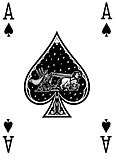
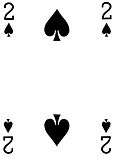
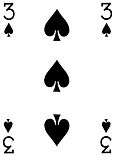
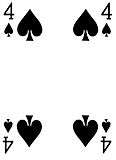
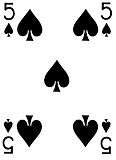
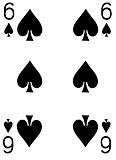
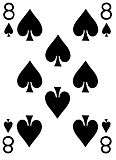
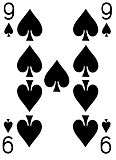
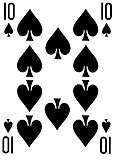
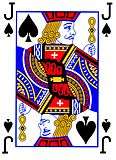
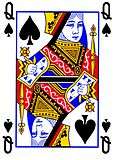
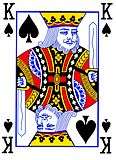
| Playing cards in Italian · carte da gioco (layout · text) | ||||||
|---|---|---|---|---|---|---|
 |
 |
 |
 |
 |
 |
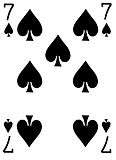 |
| asso | due | tre | quattro | cinque | sei | sette |
 |
 |
 |
 |
 |
 |
 |
| otto | nove | dieci | fante | donna, regina |
re | jolly, joker, matta |
This article is issued from
Wiktionary.
The text is licensed under Creative Commons - Attribution - Sharealike.
Additional terms may apply for the media files.