abe
English
Etymology
Pronunciation
- (Received Pronunciation) IPA(key): /ə.ˈbi/
Verb
abe
References
- Philip Babcock Gove (editor), Webster's Third International Dictionary of the English Language, Unabridged (G. & C. Merriam Co., 1976 [1909], →ISBN), page 3
Anagrams
Cimbrian
Adverb
abe
Synonyms
Antonyms
References
- “abe” in Umberto Martello Martalar, Alfonso Bellotto, Dizionario della lingua Cimbra dei Setti Communi vicentini, 1st edition, 1974.
Danish
Pronunciation
- IPA(key): /aːbə/, [ˈæːb̥ə]
-
Audio (Copenhagen) (file) - Rhymes: -aːbə
Etymology 1
Noun
abe c (singular definite aben, plural indefinite aber)
Inflection
Synonyms
Derived terms
Etymology 2
From Old Norse apa, from api (“fool”).
Verb
abe (imperative ab, infinitive at abe, present tense aber, past tense abede, perfect tense har abet)
Synonyms
- abe efter
- efterabe
Kom (Cameroon)
Adverb
abe
- outside (of)
References
- Randy Jones, Provisional Kom - English lexicon (2001, Yaoundé, Cameroon)
Lun Bawang
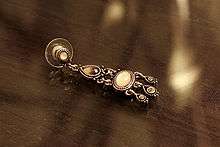
Noun
abe
See also
Mirandese
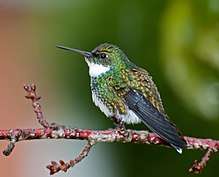
Etymology
From Latin avis, avem (“bird”), from Proto-Italic *awis (“bird”), from Proto-Indo-European *h₂éwis (“bird”).
Noun
abe f (plural abes)
Scots
Pronunciation
- IPA(key): /əˈbiː/
Verb
abe (third-person singular present abes, present participle abein, past abet, past participle abet)
- to let alone, let be, leave undisturbed
References
- Andy Eagle, ed., (2016) The Online Scots Dictionary, Scots Online.
This article is issued from
Wiktionary.
The text is licensed under Creative Commons - Attribution - Sharealike.
Additional terms may apply for the media files.