𪫧
See also: 𢘟
| ||||||||
Translingual
Han character
𪫧 (radical 61 心+5, 8 strokes, composition ⿰忄可)
References
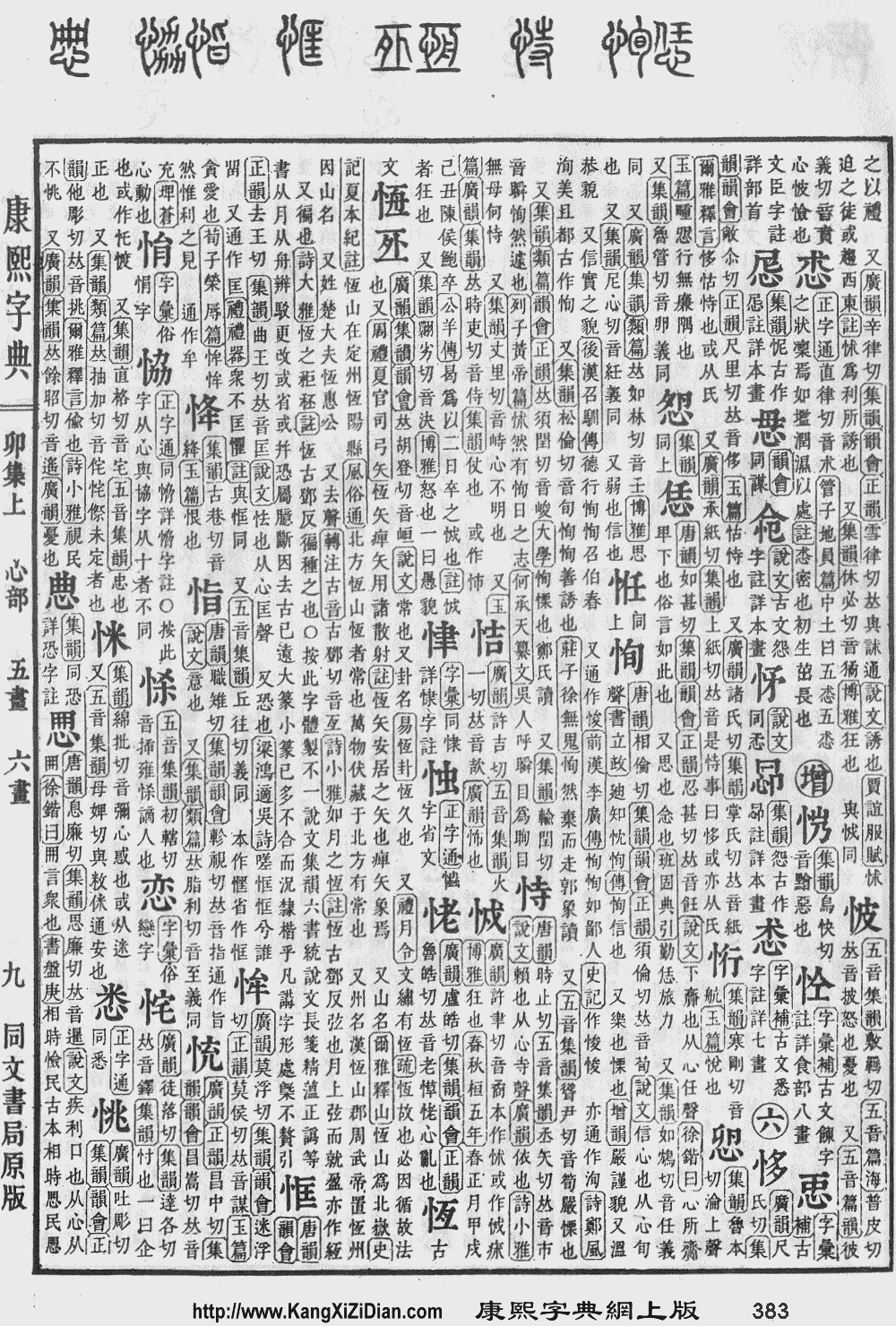
- KangXi: not present, would follow page 383, character 11
- Unihan data for U+2AAE7
Japanese
Kanji
𪫧
- Rare spelling of 面白い.
Readings
Usage notes
- First attested in the Man'yōshū as part of the kanji compound 怜𪫧 (umashi):
- c. 759, Man'yōshū (book 1, poem 2); text here
- 山常庭 村山有等 取與呂布 天乃香具山 騰立 國見乎為者 國原波 煙立龍 海原波 加萬目立多都 怜𪫧國曽 蜻嶋 八間跡能國者
- 大和には 群山あれど とりよろふ 天の香具山 登り立ち 国見をすれば 国原は 煙り立ち立つ 海原は 鷗立ち立つ うまし国ぞ あきづ島 大和の国は
- Yamato ni wa / murayama aredo / toriyorou / Ame-no-Kaguyama / noboritachi / kunimi o sureba / kunihara wa / keburi tachitatsu / unahara wa / kamame tachitatsu / umashi kuni zo / akizushima / Yamato no kuni wa
- Of many hills in the land of Yamato, I climb heavenly Kagu Hill richly adorned with green foliage, and stand on the summit to view my realm, I see smoke rising on the open plain of land and gulls taking off from the surface of the lake. A splendid land, is this land of Yamato![1]
- 山常庭 村山有等 取與呂布 天乃香具山 騰立 國見乎為者 國原波 煙立龍 海原波 加萬目立多都 怜𪫧國曽 蜻嶋 八間跡能國者
- c. 759, Man'yōshū (book 1, poem 2); text here
References
- ↑ Kanji Haitani (January 21, 2006), “Explanations Page 1”, in Man'yōshū Best 100, retrieved August 8, 2017
This article is issued from
Wiktionary.
The text is licensed under Creative Commons - Attribution - Sharealike.
Additional terms may apply for the media files.