従
See also: 從
| ||||||||
Translingual
| Traditional | 從 |
|---|---|
| Shinjitai | 従 |
| Simplified | 从 |
Glyph origin
Simplified from 從 (从 → 䒑). The modern Japanese usage is of reform (shinjitai) nature.
Han character
従 (radical 60, 彳+7, 10 strokes, cangjie input 竹人廿卜人 (HOTYO), composition ⿰彳⿱䒑龰)
See also
References
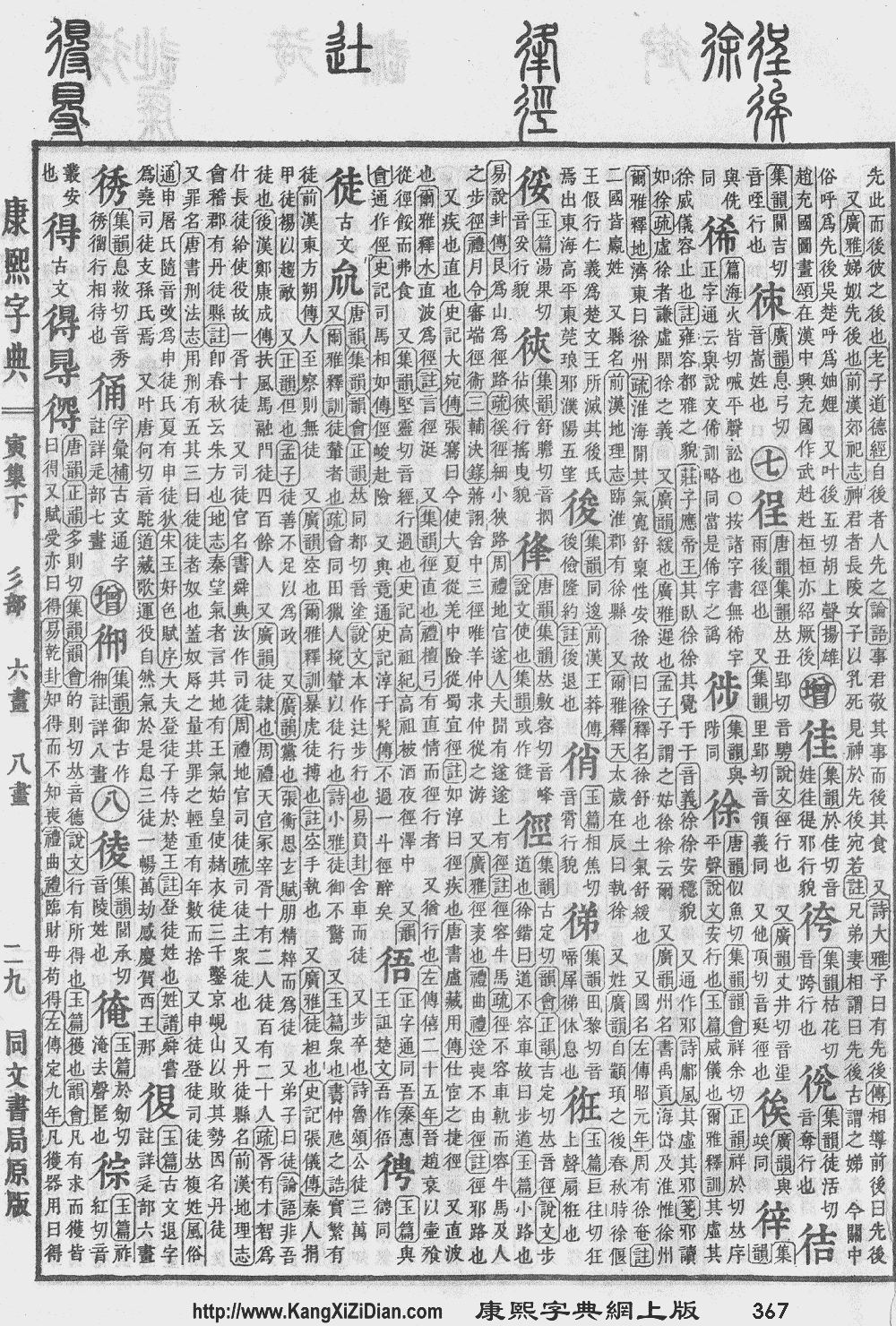
- KangXi: not present, would follow page 367, character 27
- Dai Kanwa Jiten: character 10133
- Dae Jaweon: page 691, character 13
- Hanyu Da Zidian: volume 2, page 826, character 4
- Unihan data for U+5F93
Chinese
| For pronunciation and definitions of 従 – see 從 (“to follow; to come after; to comply with; to submit to; etc.”). (This character, 従, is a variant form of 從.) |
Japanese
| 従 | |
| 從 |
Kanji
従
(grade 6 “Kyōiku” kanji, shinjitai kanji, kyūjitai form 從)
- obey
Readings
Compounds
This article is issued from
Wiktionary.
The text is licensed under Creative Commons - Attribution - Sharealike.
Additional terms may apply for the media files.