कान
Hindi
Etymology
From Sauraseni Prakrit 𑀓𑀡𑁆𑀡 (kaṇṇa), from Sanskrit कर्ण (karṇa, “ear”).
Doublet of कर्ण (karṇ), a tatsama.
Pronunciation
- IPA(key): /kɑːn/
Noun
कान • (kān) m (Urdu spelling کان)
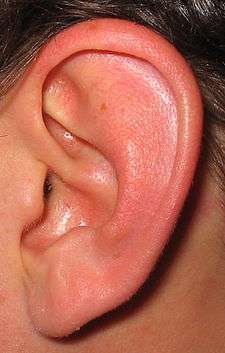
- (anatomy) ear
- हर आदमी दो कान के साथ पैदा होता है।
- har ādmī do kān ke sāth paidā hotā hai.
- Every man is born with two ears.
- मुझे आपके कान में कुछ कहना है।
- mujhe āpke kān mẽ kuch kahnā hai.
- (please add an English translation of this usage example)
-
References
- Bahri, Hardev (1989), “कान”, in Siksarthi Hindi-Angrejhi Sabdakosa [Learners' Hindi-English Dictionary], Delhi: Rajpal & Sons
- Turner, Ralph Lilley (1969–1985), “kárṇa (2830)”, in A Comparative Dictionary of the Indo-Aryan Languages, London: Oxford University Press
Marathi
Etymology 1
From Maharastri Prakrit 𑀓𑀡𑁆𑀡 (kaṇṇa), from Sanskrit कर्ण (karṇa).
Noun
कान • (kān) m
- (anatomy) ear
- (containers) handle
- (firearms) touch hole
Etymology 2
Proper noun
कान • (kān) ?
- Cannes (a city in Provence-Alpes-Côte d'Azur, France)
References
- Maxine Berntsen (1982-1983), “कान”, in A Basic Marathi-English Dictionary, New Delhi: American Institute of Indian Studies
- James Thomas Molesworth (1857), “कान”, in A dictionary, Marathi and English, Bombay: Printed for government at the Bombay Education Society's Press
- Turner, Ralph Lilley (1969–1985), “kárṇa (2830)”, in A Comparative Dictionary of the Indo-Aryan Languages, London: Oxford University Press
Old Gujarati
Etymology
From Sauraseni Prakrit 𑀓𑀡𑁆𑀡 (kaṇṇa), from Sanskrit कर्ण (karṇa)
Noun
कान (transliteration needed) m
Descendants
- Gujarati: કાન (kān)
This article is issued from
Wiktionary.
The text is licensed under Creative Commons - Attribution - Sharealike.
Additional terms may apply for the media files.