già
Italian
Etymology
From Latin iam (“already, now”), from Proto-Indo-European *yē (“already”). Cognate with Gothic 𐌾𐌰 (ja), 𐌾𐌰𐌹 (ja, jai, “yes”), Old High German ja, jā (“yes”), Old English ġēa (“yes”). More at yea, yes.
Pronunciation
- IPA(key): /dʒa/
- Hyphenation: già
- Rhymes: -a
Adverb
già
- already, yet
- former, ex-
- Synonym: ex-
- Via Montello (già Trento)
- Montello Street (formerly known as Trento Street)
- Mario Rossi, già ministro delle Finanze
- Mario Rossi, former Minister of Finance
- (informal) yes, yeah
- an expletive, a word that adds to the strength of a phrase without affecting its meaning and is usually left untranslated
- Non credo io già, che ve ne avrete a male.
- I do not think you will take offense.
Related terms
Anagrams
Vietnamese
Etymology
From Proto-Vietic *k-raː, from Proto-Mon-Khmer *kraʔ ~ *(k)rah; cognate with Kri /kra̰ː/, Muong khà, Koho kraa.
Pronunciation
- (Hà Nội) IPA(key): [zaː˨˩]
- (Huế) IPA(key): [jaː˦˩]
- (Hồ Chí Minh City) IPA(key): [jaː˨˩]
Adjective
già (𦓅, 𫅷) (fully reduplicated form già già)
- (living being) old
Derived terms
Terms derived from già
|
See also
Pronoun
già
Noun
già
- elder, old person
- (card games) king
See also
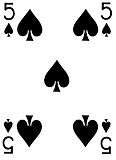
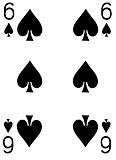
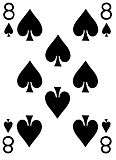
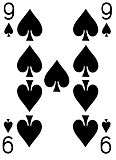
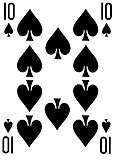
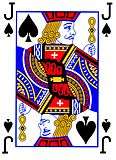
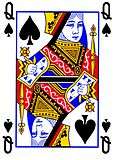
| Playing cards in Vietnamese · bài tây (layout · text) | ||||||
|---|---|---|---|---|---|---|
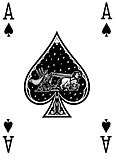 |
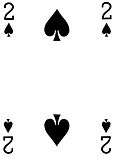 |
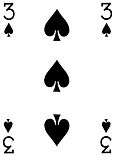 |
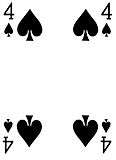 |
 |
 |
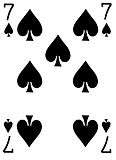 |
| át, xì | heo, hai | ba | bốn | năm | sáu | bảy |
 |
 |
 |
 |
 |
 |
 |
| tám | chín | mười | bồi | đầm | già | phăng teo |
This article is issued from
Wiktionary.
The text is licensed under Creative Commons - Attribution - Sharealike.
Additional terms may apply for the media files.