fragment
English
Etymology
Borrowed from Latin fragmentum (“a fragment, remnant”), from frangere, present active infinitive of frangō (“I break”). See also fraction.
Pronunciation
- (noun) IPA(key): /ˈfɹæɡmənt/
- (verb) IPA(key): /fɹæɡˈmɛnt/, /ˈfɹæɡmɛnt/
Noun
fragment (plural fragments)
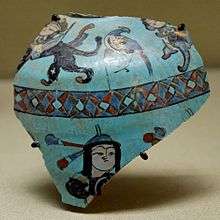
- A part broken off; a small, detached portion; an imperfect part, either physically or not
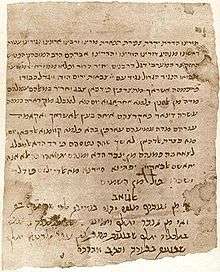
- a fragment of an ancient writing
- I heard a small fragment of the conversation.
- (grammar) A sentence not containing a subject or a predicate.
- (computing) An incomplete portion of code.
Related terms
Translations
|
|
Verb
fragment (third-person singular simple present fragments, present participle fragmenting, simple past and past participle fragmented)
- (intransitive) To break apart.
- (transitive) To cause to be broken into pieces.
- (transitive, computing) To break up and disperse (a file) into non-contiguous areas of a disk.
Synonyms
Derived terms
Translations
|
|
|
|
Further reading
- fragment in Webster’s Revised Unabridged Dictionary, G. & C. Merriam, 1913
- fragment in The Century Dictionary, The Century Co., New York, 1911
Catalan
Etymology
Borrowed from Latin fragmentum (“a fragment, remnant”), from frangere (“to break”).
Noun
fragment m (plural fragments)
- a fragment
Czech
Etymology
From Latin fragmentum.
Noun
fragment m
- fragment (portion or segment of an object)
Related terms
- See frakce
Further reading
- fragment in Příruční slovník jazyka českého, 1935–1957
- fragment in Slovník spisovného jazyka českého, 1960–1971, 1989
Dutch
Etymology
Borrowed from Latin fragmentum (“a fragment, remnant”), from frangere (“to break”).
Pronunciation
Audio (file) - Hyphenation: frag‧ment
- Rhymes: -ɛnt
Noun
fragment n (plural fragmenten, diminutive fragmentje n)
- a fragment
French
Etymology
Borrowed from Latin fragmentum (“a fragment, remnant”), from frangere (“to break”).
Pronunciation
- IPA(key): /fʁaɡ.mɑ̃/
Audio (France, Paris) (file) - Homophone: fragments
- Hyphenation: frag‧ment
Noun
fragment m (plural fragments)
Derived terms
Related terms
Further reading
- “fragment” in le Trésor de la langue française informatisé (The Digitized Treasury of the French Language).
Norwegian Bokmål
Etymology
Borrowed from Latin fragmentum
Noun
fragment n (definite singular fragmentet, indefinite plural fragment or fragmenter, definite plural fragmenta or fragmentene)
- a fragment
Related terms
References
- “fragment” in The Bokmål Dictionary.
Norwegian Nynorsk
Etymology
Borrowed from Latin fragmentum
Noun
fragment n (definite singular fragmentet, indefinite plural fragment, definite plural fragmenta)
- a fragment
Related terms
References
- “fragment” in The Nynorsk Dictionary.
Polish
Etymology
Borrowed from Latin fragmentum.
Pronunciation
- IPA(key): /ˈfraɡ.mɛnt/
audio (file)
Noun
fragment m inan
Declension
| singular | plural | |
|---|---|---|
| nominative | fragment | fragmenty |
| genitive | fragmentu | fragmentów |
| dative | fragmentowi | fragmentom |
| accusative | fragment | fragmenty |
| instrumental | fragmentem | fragmentami |
| locative | fragmencie | fragmentach |
| vocative | fragmencie | fragmenty |
Romanian
Etymology
Borrowed from French fragment and its source, Latin fragmentum.
Noun
fragment n (plural fragmente)
Declension
Synonyms
Serbo-Croatian
Etymology
Borrowed from Latin fragmentum.
Pronunciation
- IPA(key): /frǎɡment/
- Hyphenation: frag‧ment
Noun
fràgment m (Cyrillic spelling фра̀гмент)
Declension
References
- “fragment” in Hrvatski jezični portal
Swedish
Etymology
Borrowed from Latin fragmentum.
Pronunciation
Audio (file)
Noun
fragment n
- a fragment
Declension
| Declension of fragment | ||||
|---|---|---|---|---|
| Singular | Plural | |||
| Indefinite | Definite | Indefinite | Definite | |
| Nominative | fragment | fragmentet | fragment | fragmenten |
| Genitive | fragments | fragmentets | fragments | fragmentens |
Related terms
- fragmentarisk
- fragmentera
- fragmentering
- fragmentisera
- fragmentisering
References
- fragment in Svenska Akademiens Ordlista över svenska språket (13th ed., online)