buča
Latvian
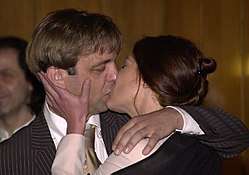
Buča
Etymology
From Proto-Baltic *bu- (with an extra onomatopoeic č(a), suggesting the sound of kissing), from Proto-Indo-European *bu- (“lip”). Some researchers suggest borrowing from Germanic; the majority opinion is that this word was not borrowed. Cognates include Lithuanian bùčius, bučinỹs, Belarusian буся (búsja), Bulgarian бузя (búzja, “cheek”), Polish buzia (“mouth; face; kiss”), Ukrainian бузя (búzja, “mouth”), Middle Low German bützen, German bussen (“to kiss”) (dialectal pussen), Swedish puss (“kiss”), Irish bus (“lip”), Albanian buzë (“lip”), Latin bucca (“mouth”).[1]
Pronunciation
- IPA(key): [butʃa]
-
Audio (file)
Noun
buča f (4th declension)
- (colloquial) kiss (a touch with the lips, to express love, friendship, respect, devotion)
- viņš deva tai sirsnīgu buču ― he gave her a warmhearted kiss
- kad meita buču saņēmusi, tad viņa iesaucas: “tu pagāns!” un dara tā, it kā tā lūpas gribētu noslaucīt ― when the girl received the kiss, she exclaimed: “you heathen!” and did as if she wanted to wipe her lips clean
-
Declension
Declension of buča (4th declension)
Synonyms
Related terms
References
- ↑ Karulis, Konstantīns (1992), “buča”, in Latviešu Etimoloģijas Vārdnīca (in Latvian), Rīga: AVOTS, →ISBN
Serbo-Croatian
Pronunciation
- IPA(key): /bût͡ʃa/
- Hyphenation: bu‧ča
Noun
bȕča f (Cyrillic spelling бу̏ча)
- Alternative form of bȕća
References
- “buča” in Hrvatski jezični portal
Slovene
Etymology
Pronunciation
- IPA(key): /ˈbùːtʃa/
- Tonal orthography: búča
Noun
búča f (genitive búče, nominative plural búče)
- (informal) head
Declension
This article is issued from
Wiktionary.
The text is licensed under Creative Commons - Attribution - Sharealike.
Additional terms may apply for the media files.