Lynx
See also: lynx
Translingual
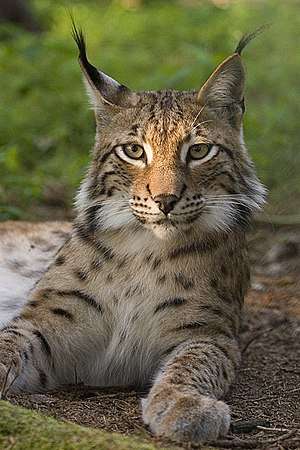
Lynx lynx
Etymology
From Latin lynx, from Ancient Greek λύγξ (lúnx, “probably the Eurasian lynx (Lynx lynx), and also the caracal (Caracal caracal)”)
Proper noun
Lynx m
Hypernyms
- (genus): Eukaryota - superkingdom; Animalia - kingdom; Bilateria - subkingdom; Deuterostomia - infrakingdom; Chordata - phylum; Vertebrata - subphylum; Gnathostomata - infraphylum; Tetrapoda - superclass; Mammalia - class; Theria - supercohort; Eutheria - infraclass; Carnivora - order; Feliformia - suborder; Felidae - family; Felinae - subfamily
Hyponyms
- (genus): Lynx lynx (Eurasian lynx) - type species; Lynx canadensis (Canada lynx); Lynx pardinus (Spanish lynx); Lynx rufus (bobcat) - other extant species; †Lynx issiodorensis – extinct species
References
-

-

-

English
Etymology
From Latin lynx (“lynx”). Named by the astronomer Johannes Hevelius in 1687. The constellation is said to be so faint that one needs the eyes of a lynx to see it.
Proper noun
Lynx
- (astronomy) A faint spring constellation of the northern sky. It lies north of the constellation Cancer.
Derived terms
Translations
See also
-
Dutch
Etymology
From lynx.
Proper noun
Lynx m
This article is issued from
Wiktionary.
The text is licensed under Creative Commons - Attribution - Sharealike.
Additional terms may apply for the media files.