𑀅𑀳𑀁
Ardhamagadhi Prakrit
Etymology
From Sanskrit अहम् (ahám), from Proto-Indo-Iranian *aĵʰám, from Proto-Indo-European *eǵHóm.
Pronoun
𑀅𑀳𑀁 (ahaṃ)
Ashokan Prakrit
Etymology
From Sanskrit अहम् (ahám), from Proto-Indo-Iranian *aĵʰám, from Proto-Indo-European *eǵHóm.
Pronoun
𑀅𑀳𑀁 (ahaṃ) (Girnar)
Alternative forms
| Dialectal forms of 𑀅𑀳𑀁 (“I”) | ||
|---|---|---|
| Variety | Location | Forms |
| Central | Kalsi | 𑀳𑀓𑀁 (hakaṃ) |
| Delhi-Topra | 𑀳𑀓𑀁 (hakaṃ) | |
| East | Dhauli | 𑀳𑀓𑀁 (hakaṃ) |
| Jaugada | 𑀳𑀓𑀁 (hakaṃ) | |
| Northwest | Shahbazgarhi | 𐨀𐨱𐨎 (ahaṃ) |
| Mansehra | 𐨀𐨀𐨎 (aaṃ) | |
| West | Girnar | 𑀅𑀳𑀁 (ahaṃ) |
| Map of dialectal forms of 𑀅𑀳𑀁 (“I”) | ||
|---|---|---|
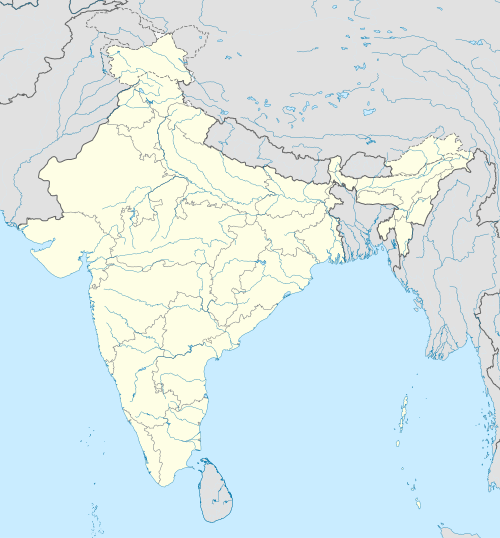
References
- Turner, Ralph Lilley (1969–1985), “ahám”, in A Comparative Dictionary of the Indo-Aryan Languages, London: Oxford University Press
Maharastri Prakrit
Etymology
From Sanskrit अहम् (ahám), from Proto-Indo-Iranian *aĵʰám, from Proto-Indo-European *eǵHóm.
Pronoun
𑀅𑀳𑀁 (ahaṃ)
Sauraseni Prakrit
Etymology
From Sanskrit अहम् (ahám), from Proto-Indo-Iranian *aĵʰám, from Proto-Indo-European *eǵHóm.
Pronoun
𑀅𑀳𑀁 (ahaṃ)
Declension
| Declension of 𑀅𑀳𑀁 | ||
|---|---|---|
| singular | plural | |
| nominative | 𑀅𑀳𑀁 (ahaṃ)
|
𑀅𑀫𑁆𑀳𑁂 (amhe)
|
| accusative | maṃ
|
amhe / ṇo
|
| instrumental | 𑀫𑀏 (mae)
|
amhehiṃ
|
| ablative | (mamāo)
|
(amhehiṃto)
|
| genitive | mama / me / maha
|
amhāṇaṃ / ṇo
|
| locative | mai
|
amhesu
|
| Note: Many of these forms may be unattested. | ||
This article is issued from
Wiktionary.
The text is licensed under Creative Commons - Attribution - Sharealike.
Additional terms may apply for the media files.