무
| ||||||||||||
Korean
Etymology 1
| 무묵묶묷문묹묺 묻물묽묾묿뭀뭁 뭂뭃뭄뭅뭆뭇뭈 뭉뭊뭋뭌뭍뭎뭏 | |
| 묘 ← | → 뭐 |
|---|---|
Syllable
무 • (mu)
Etymology 2
Shortened form of 무우(unstandardized in 1988), From Middle Korean word 무ㅿㅜ(muzu).
Pronunciation
- IPA(key)[muː]
- Phonetic Hangul[무]
|
Noun
무 • (mu)
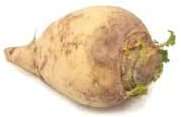
무 (mu, "rutabaga")
- (Korean cuisine, botany) Korean radish, a variety of daikon.
- (Korean cuisine, botany, by extension) Similar root vegetables, including other daikons, rutabagas, swedes, and yellow turnips.
Alternative forms
- 무우 (muu)
- 무수 (musu) (dialect)
Synonyms
- 나복 (nabok, “nabok”)
Derived terms
- 조선무 (joseonmu)
Etymology 3
Korean reading of various Chinese characters.
Pronunciation
- IPA(key)[muː]
- Phonetic Hangul[무]
|
Noun
무 • (mu) (hanja 巫)
- shaman
- 巫는 계집 심방이오 祝은 男人 심방이라 (楞嚴經諺解 8:117, 1461) (mu-neun gyejib simbang-io chug-eun namIn simbang-ira (reungEomgyeong-eonhae 8:117, 1461)) The mu is a female soothsayer, whereas the chug a male one.
Pronunciation
- IPA(key)[mu]
- Phonetic Hangul[무]
|
Noun
무 • (mu) (hanja 無)
This article is issued from
Wiktionary.
The text is licensed under Creative Commons - Attribution - Sharealike.
Additional terms may apply for the media files.