関
| ||||||||
Translingual
| Traditional | 關 |
|---|---|
| Shinjitai | 関 |
| Simplified | 关 |
Glyph origin
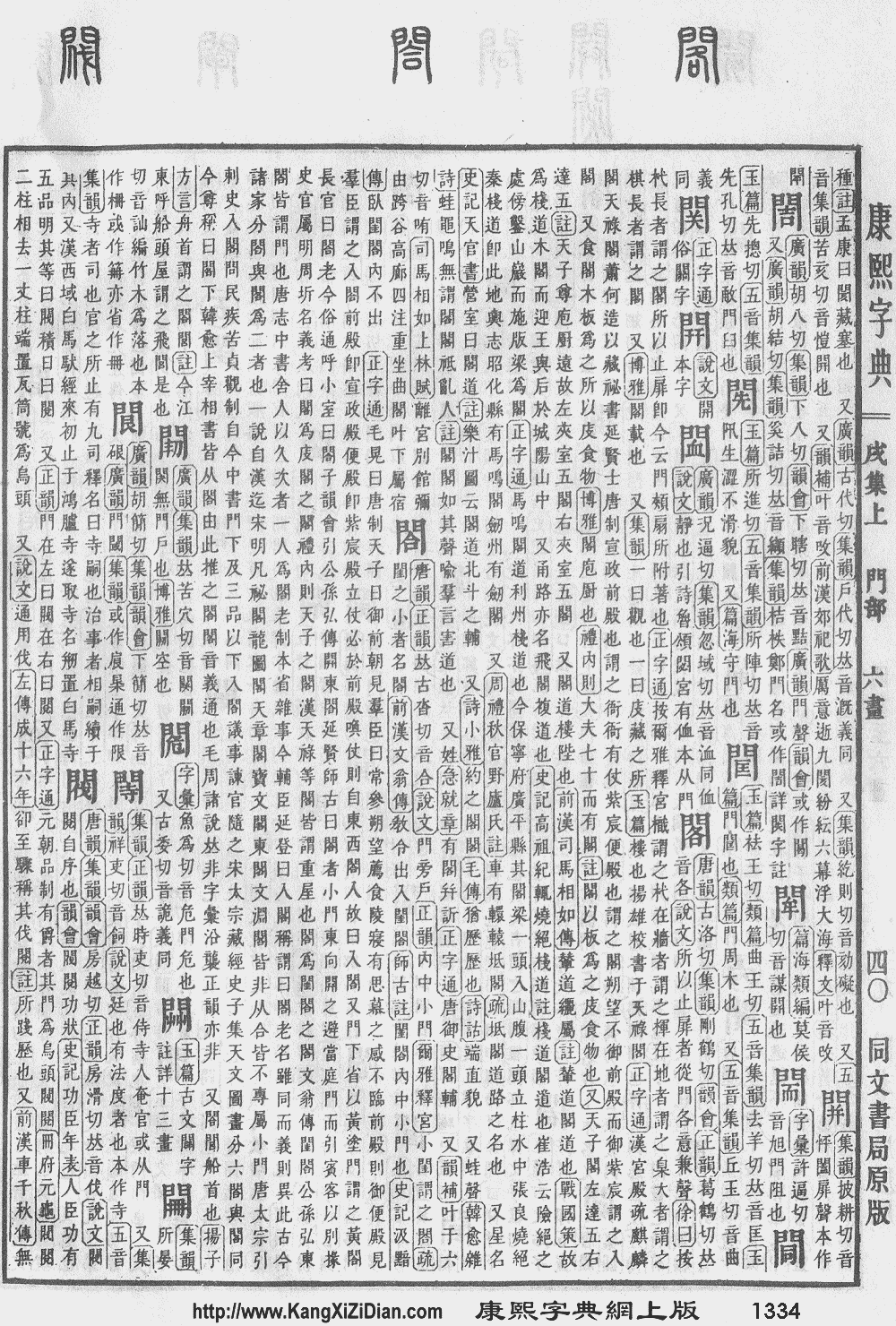
Simplified from 關 (𢇇 → 关). Unorthodox form of 關 listed in the Kangxi dictionary.
The modern Japanese usage is of reform (shinjitai) nature.
Han character
関 (radical 169, 門+6, 14 strokes, cangjie input 日弓廿大 (ANTK), composition ⿵門关)
References
- KangXi: page 1334, character 8
- Dai Kanwa Jiten: character 41297
- Hanyu Da Zidian: volume 7, page 4299, character 5
- Unihan data for U+95A2
Chinese
Glyph origin
| Characters in the same phonetic series (卵) (Zhengzhang, 2003) | |
|---|---|
| Old Chinese | |
| 卵 | *ɡ·roːlʔ, *ɡ·roːnʔ |
| 關 | *kroːn |
| 関 | *kroːn |
| 聯 | *ɡ·ron |
Definitions
| For pronunciation and definitions of 関 – see 關 (“to close; to shut; to lock up; to detain; etc.”). (This character, 関, is a variant form of 關.) |
Japanese
| 関 | |
| 關 |
Kanji
関
(grade 4 “Kyōiku” kanji, shinjitai kanji, kyūjitai form 關)
Readings
- Goon: けん (ken)←けん (ken, historical)←くゑん (kwen, ancient)
- Kan’on: かん (kan, Jōyō)←くわん (kwan, historical)
- Kun: せき (seki, 関, Jōyō); かかわる (kakawaru, 関わる, Jōyō)←かかはる (kakafaru, historical); かんぬき (kannuki, 関)←くわんぬき (kwannuki, historical)
Compounds
| Kanji in this term |
|---|
| 関 |
| せき Grade: 4 |
| kun’yomi |
Proper noun
関 (hiragana せき, rōmaji Seki)
This article is issued from
Wiktionary.
The text is licensed under Creative Commons - Attribution - Sharealike.
Additional terms may apply for the media files.